Two Knoxville police officers reached a one-month-old in distress and had the baby breathing again within seconds, and the video shows how fast training turns panic into life.
Story Snapshot
- Dispatchers sent Knoxville officers to an unresponsive infant just after 6:30 p.m. Wednesday.
- Officers Clayton McWilliams and Veronica Jackson arrived and cleared the baby’s airway.
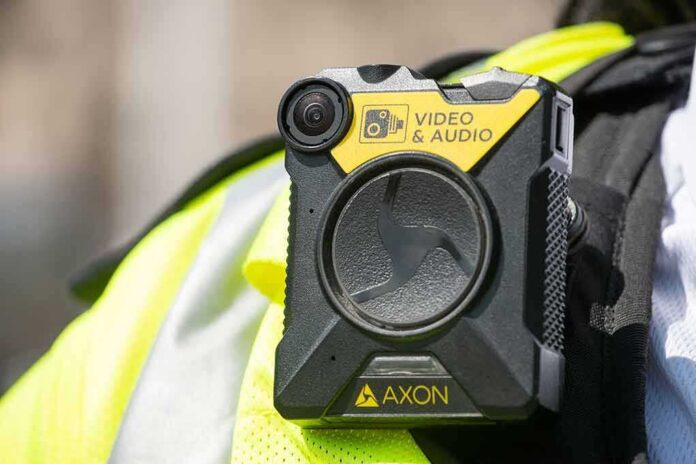
- Body camera video shows the baby crying roughly 25 seconds after being placed with McWilliams.
- Knoxville Police Department says the baby began breathing normally within seconds.
A race against time on a living-room floor
Knoxville Police Department dispatchers sent officers to a home around 6:30 p.m. Wednesday for a one-month-old who was not breathing. Officers Clayton McWilliams and Veronica Jackson were the first to arrive, according to the department. The child was unresponsive. McWilliams took the baby while Jackson moved to support. The video shows firm, calm commands and quick hands. The officers focused on the airway. Seconds later, a thin, sharp cry cut through the room.
Knoxville Police Department says the officers “quickly worked to clear the baby’s airway” and that the child started breathing normally within seconds of their arrival. Local coverage timed the moment from handoff to first cry at about 25 seconds, a useful benchmark for readers who want to understand how short the margin is in infant airway calls. The specific medical cause was not stated in the department’s post, but the actions on video match standard infant airway-first training.
What body camera video adds to public understanding
Body camera video, when released, lets the public see speed, tone, and sequence without guesswork. In this case, the footage showcases calm under pressure and a simple, effective airway focus. That supports the department’s account and gives credit where it is due: training met a real need and worked. Many agencies lean on short clips to highlight positive outcomes, and this clip fits that pattern of a tight, hero-centered narrative that holds viewer focus.
Police work includes many slow, unglamorous beats, yet the calls that stick with a city are often like this one: a life in seconds. Viewers process what they can see and hear. They watch a hand position the infant, they hear the officer’s voice steady the room, and then they hear the cry that signals oxygen and relief. The emotional punch is real, but so is the lesson. Fast arrival, simple steps, and practiced muscle memory matter most when the patient is tiny.
Training, repetition, and the basics that save babies
Infant emergencies punish delay. Airway comes first, then breathing, then circulation. Officers in most departments refresh on infant airway positioning, back blows, and chest compressions. They also learn how to keep parents engaged and calm enough to help. The Knoxville officers’ response reflects that checklist thinking: secure the baby, open the airway, and monitor for effort. The outcome here tracks with other cases where quick airway work brings a newborn back from the brink.
American conservative values prize competence, duty, and results. This rescue shows all three. Two local officers answered a call, applied what they were taught, and handed a breathing child back to a family. That is the social contract working at street level. Praise does not require spin. The facts stand on their own: a dispatcher flagged the call, officers arrived fast, an airway was cleared, and a cry told everyone the effort took hold.
Sources:
youtube.com, facebook.com, yahoo.com, firstmonday.org, pmc.ncbi.nlm.nih.gov
© targetdailynews.com 2026. All rights reserved.