The shouting match that halted a United Nations meeting began with a debate on Cuba’s embargo and ended with a Cuban diplomat shown the door by the United States.
Story Snapshot
- A United Nations General Assembly meeting on 1 November 2023 was suspended amid a U.S.–Cuba clash.
- The dispute erupted during debate over the resolution urging an end to the United States embargo on Cuba.
- The United States later expelled a Cuban diplomat after the confrontation escalated on the floor.
- Cuba’s foreign minister condemned the embargo as a violation of basic rights; the United States cites Havana’s repression.
How a Routine Embargo Debate Boiled Over
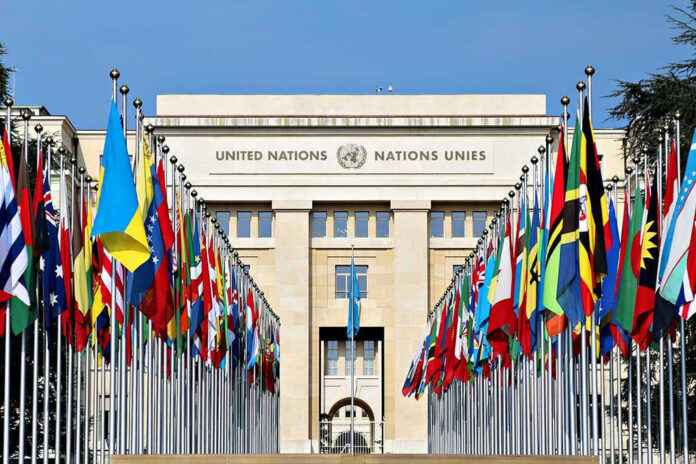
The United Nations General Assembly met on 1 November 2023 for its yearly discussion on the Cuba embargo resolution. The agenda was standard, but tempers were not. The chair suspended the meeting after a loud dispute broke out between United States and Cuban representatives in the hall. The next day, the assembly adopted the familiar resolution calling for an end to the embargo, continuing a decades‑long pattern of votes against United States policy toward Cuba.
United States officials framed the disruption as more than theater. They said Cuban officials crossed a line on the floor and tried to intimidate United States personnel. After reviewing the incident, the United States expelled a Cuban diplomat from the country, a rare but lawful step in response to behavior deemed inconsistent with diplomatic norms. That action underscored a simple point: debate is expected, physical encroachment is not.
What Each Side Argued, In Plain Terms
Cuba’s foreign minister, Bruno Rodríguez Parrilla, told the assembly the embargo hurts ordinary people. He called it “economic warfare” in peacetime and said it violates the rights to life, health, and education for all Cubans. That message landed during a vote that often serves as a global airing of grievances about unilateral sanctions. Most countries again backed Cuba’s resolution, which is nonbinding but signals where world opinion stands on the policy.
The United States countered with a different ledger. Washington points to Cuba’s political prisoners, censorship, and closed courts as the real source of daily harm. The United States Department of State’s 2023 report cites more than 1,000 people reportedly detained for political reasons, along with blocked access for outside monitors to prisons and detention centers. That record, United States officials argue, justifies sharp criticism of Havana regardless of the embargo debate.
Two Fights, Often Confused, Must Stay Separate
The annual United Nations vote targets the embargo’s wisdom, not Cuba’s internal governance. Many governments dislike sanctions on principle or due to trade interests. That dislike does not prove or disprove claims about repression in Cuba. Likewise, Cuba’s domestic abuses, documented by outside observers, do not automatically make every sanction smart policy. Keeping the policy dispute and the human‑rights record in separate columns avoids lazy thinking and bad conclusions.
Secretary of State Marco Rubio moved to expel a Cuban diplomat after US Ambassador Mike Waltz accused him of having “shoved and tried to assault” a member of the American delegation during a fiery UN confrontation.
The incident unfolded as Waltz and Cuban Foreign Minister Bruno…
— Richard M Masliah B, Sc. LLL. LLB. (@Richard4m) October 29, 2026
American conservatives can acknowledge both truths without flinching. First, the world’s ritual vote does not bind the United States and often ignores why Cubans flee by raft. Second, sanctions should serve clear aims and advance freedom, not only send a signal. Decades of sanctions deserve honest audits. But no diplomat earns a free pass to rush a podium or shove a phone because a critic lists jailed dissidents. Rules and rights run both ways in a free system.
Why the United States Expelled a Cuban Diplomat
Expulsion is a serious step. Governments use it when a diplomat’s conduct crosses accepted lines. The United States said that happened here following the floor confrontation. The decision came after the meeting’s chaotic turn and reports that Cuban officials behaved in an aggressive manner toward United States personnel in the chamber. The move set a boundary: argue at the microphone, not with your hands or your feet, especially inside the world’s main debating hall.
What Matters Next
The United Nations will meet again and vote again on the embargo. Cuba will blame shortages on sanctions. The United States will cite prisoners and fear in Havana’s streets. The facts to watch are simple. Does Cuba open prisons to outside inspection and release political detainees? Does the United States adjust sanctions to focus pressure on the regime and ease the load on families? Serious changes on either front will show up in those answers first, not in the shouting.
Sources:
2021-2025.state.gov, digitallibrary.un.org, state.gov, press.un.org, media.un.org, wsj.com
© targetdailynews.com 2026. All rights reserved.