New York’s daily rhythm broke twice in one week—first on the Brooklyn Bridge, then at the 9/11 Memorial—turning a protest into a test of where free speech ends and public duty begins.
Story Snapshot
- Police said about 30 protesters blocked lanes on the Brooklyn Bridge and took at least 14 into custody.
- Traffic into Manhattan slowed until all lanes reopened shortly before 1:30 p.m., according to local reports.
- Separate reporting identified a man arrested after red paint crossed engraved names at the 9/11 Memorial.
- Organizers tied the march to Martin Luther King Jr. Day and broader anti-ICE and gun-control demands.
A Bridge Turned Into A Bottleneck
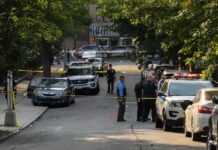
New York Police Department officials said about 30 protesters formed a line on the Manhattan side of the Brooklyn Bridge and blocked both vehicle and pedestrian traffic. Officers took at least 14 people into custody after orders to clear the lanes went ignored, according to reports that quoted police. Video described by reporters showed cars backed up for blocks while the line held, before traffic flow resumed. Officials reopened all lanes into Manhattan shortly before 1:30 p.m.
Chants and signs hit well-known targets: immigration enforcement, gun violence, and the New York Police Department. One banner on the bridge read “Stop Shooting Us,” a phrase that signals a specific grievance rather than random disruption. The marchers linked their action to civil-rights ideals, with earlier coverage noting a peaceful Martin Luther King Jr. Day walk into Manhattan. That message exists in the record. The question is whether the tactic delivered more than attention and arrests.
The 9/11 Memorial Vandalism
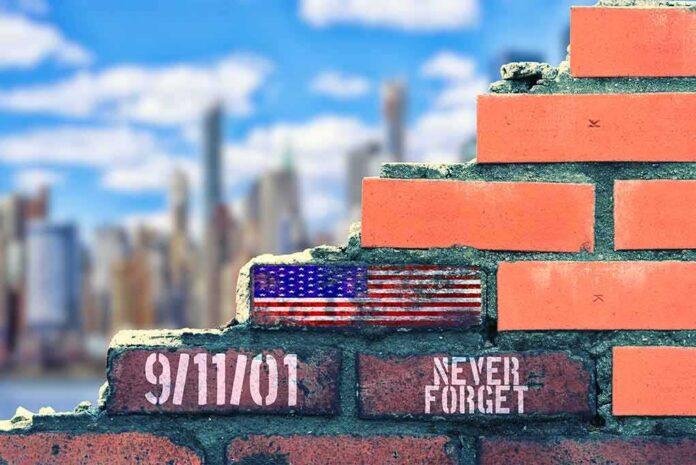
Police reports and news accounts said red paint crossed engraved names on panels at the North Pool of the 9/11 Memorial. The memorial’s statement called the site a sacred place that honors 2,983 victims and said security and law enforcement restored the area to its commemorative state. Former Governor George Pataki condemned the act as a “vile, disgraceful crime.” Authorities identified and charged a man in the incident after he allegedly sprayed the name of his anti-gun website on the panels.
Coverage named Jonathan Andrew Tijerina as the arrested man. Reports linked him to a website that calls for universal background checks and a national gun registry, and that promotes “nonviolent civil resistance.” The claim is plain: use civil disobedience to push gun regulations. The problem is the chosen canvas. Spraying across victims’ names shifts the story from policy to basic decency, and it hands critics an easy win. The memorial said crews removed the paint and restored the site.
Speech, Streets, And The Limits Of Tolerance
Protesters have the right to speak, march, and petition. They do not have a right to block a critical bridge or to deface a memorial. Even civil-liberties groups draw that line. A blockade is conduct, not speech, and the government has long regulated it to protect safety and order. Most people accept that standard because it fits common sense: your rights stop where my ambulance lane begins, and where a widow reads a loved one’s engraved name without interruption.
Research shows disruption earns headlines but often bleeds public support. A recent analysis found that disruptive tactics can boost attention while hardening opposition among the very audiences a movement needs to persuade. Reporters also follow a persistent pattern: they focus on conflict, arrests, and damage more than on policy aims. That reality is not bias alone; it is how drama competes in a crowded news cycle. Movements ignore this at their peril.
What Actually Advanced The Cause?
Organizers placed their grievances in public view. They did not show a permit for blocking lanes, and no record here indicates that the slowdown changed policy. The Martin Luther King Jr. Day march earned positive coverage as peaceful. The later bridge blockade and the memorial graffiti drew arrests, loud condemnation, and a narrative of disrespect. If the goal was to win converts and press leaders for answers, these tactics likely set that goal back rather than moved it forward.
What A Serious Approach Looks Like
Effective protest pairs moral clarity with respect for neighbors and for shared places. New Yorkers will listen to arguments about immigration enforcement and gun crime. They will not reward tactics that trap commuters or stain a site of national mourning. The path is simple, if not easy: make a case, show facts, avoid harm. Public order is not the enemy of justice; it is the stage that lets the argument land. Keep the bridge open. Keep the names sacred. Then speak as long as it takes.
Sources:
foxnews.com, whmi.com, yahoo.com, pix11.com, origin.syndicator2.univision.com, brooklyn.news12.com, academic.oup.com
© targetdailynews.com 2026. All rights reserved.