Colombia is about to stage a presidential oath outside Bogotá, and that alone makes the ceremony a political landmark.
Quick Take
- The House of Representatives approved moving the inauguration to Cali with 117 votes in favor and 7 against.
- Reports say the Senate later gave its approval too, clearing the way for the ceremony on 7 August.
- Named officials confirmed Arena USC in Cali as the planned venue, and local leaders treated the decision as settled.
- Supporters are calling it historic because it would break a long tradition of holding the ceremony in Bogotá.
Cali Replaces Bogotá
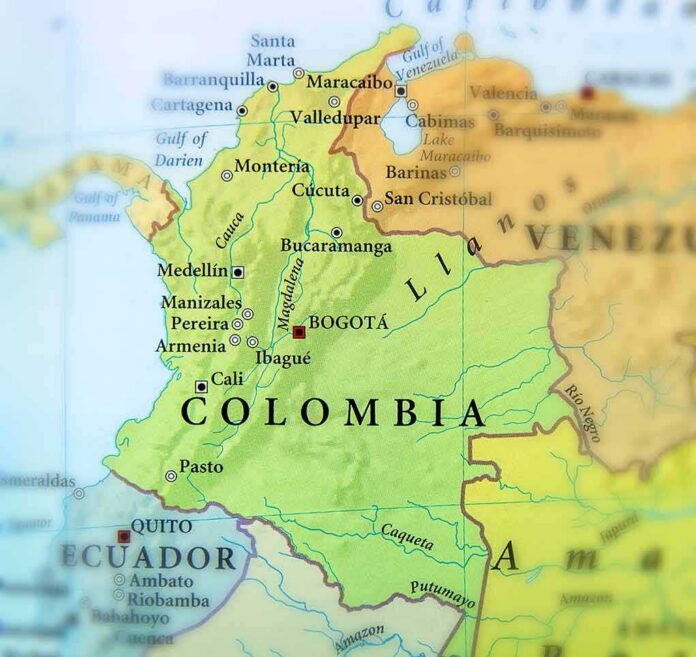
Congressional approval turned a bold idea into a real plan. Reporting says the House backed the move by 117 to 7, and later coverage says the Senate approved the transfer as well. That matters because the debate is no longer just about a campaign promise. It became an institutional decision, with the state machinery now preparing for a ceremony in Cali rather than the Capitolio Nacional in Bogotá.
The chosen site is Arena USC, the auditorium of Universidad Santiago de Cali. Local reporting says Governor Dilian Francisca Toro confirmed the venue, and university leadership described it as the official setting for the event. That detail gives the story practical weight. This is not a vague symbolic gesture floating in the air. It is a planned ceremony with a building, a date, and a security footprint.
Why Supporters Call It Historic
Backers of the move frame it as a clean break with Bogotá-centered power. Coverage repeatedly describes the Cali ceremony as historic and says it would be the first presidential inauguration outside Bogotá in more than a century. That claim gives the event a bigger meaning than logistics alone. For supporters, the location sends a message that the country’s political center should not always sit in the capital.
The decentralization argument is also plain in the record. Reports say supporters argued that the relocation would strengthen regional voices and give the departments more visibility. That is a familiar Colombian theme, but the venue choice gives it a dramatic stage. A presidential oath in Cali says something about where power is seen, who gets honored, and which city gets the national spotlight first.
Security, Symbolism, and a Tight Plan
Security sits at the center of the planning. Reports say officials prepared an antidrones system and a broader protection plan because the ceremony could draw national authorities and foreign guests. The schedule also places the inauguration inside a wider security sequence, with military honors and a security council the next day. That makes the event look less like a photo opportunity and more like a tightly managed state operation.
6/14 🇧🇷 S.AMERICA — Colombia has deployed more than 11,000 soldiers and police to Cali ahead of the August 7 inauguration of President-elect Abelardo de la Espriella. Private drone flights are banned over the city and fixed checkpoints are in place on corridors linking Cali with…
— The Syndicate (@SyndicateRSS) August 2, 2026
There is still one important caution. The materials in this search set do not include the full congressional resolution, the legal opinion behind the change, or the complete security assessment. The reporting strongly supports the core facts, but the public record is still mostly built from news accounts rather than the underlying documents. That leaves room for future questions about procedure, not about whether the event is being organized in Cali.
The Political Meaning Behind the Move
What makes this story linger is that it blends administration and theater in equal measure. The ceremony looks like a protocol decision, but it also functions as a message to the country. Cali gains prestige. Bogotá loses its monopoly on presidential ritual. And the supporters get to say the state is reaching outward, not just inward. In a country where symbols often do the work of policy, that shift carries real political value.
The question now is not whether the inauguration will happen in Cali. The reporting already points in that direction with unusual consistency. The more interesting question is what kind of precedent it sets. If Colombia can move its most important national ceremony out of the capital, then tradition is no longer a fixed rule. It is something Congress can bend when politics, security, and symbolism line up at the same time.
Sources:
gatewayhispanic.com, youtube.com, elpais.com, infobae.com, citytv.eltiempo.com, vanguardia.com, abceconomia.co, elpais.com.co, elcolombiano.com
© targetdailynews.com 2026. All rights reserved.