Pete Hegseth called his own impeachment fight a political spectacle while daring Congress to test him on facts and force.
Story Snapshot
- Hegseth framed the impeachment push as a stunt launched by one Republican critic.
- Rep. Thomas Massie filed eight articles in a 34-page resolution using a fast-track process.
- The charges span Iran, Venezuela, Yemen, drug-boat strikes, and alleged speech retaliation.
- Any removal needs a two-thirds Senate vote, a steep hill in any season.
What set this off, and why the rhetoric is so sharp
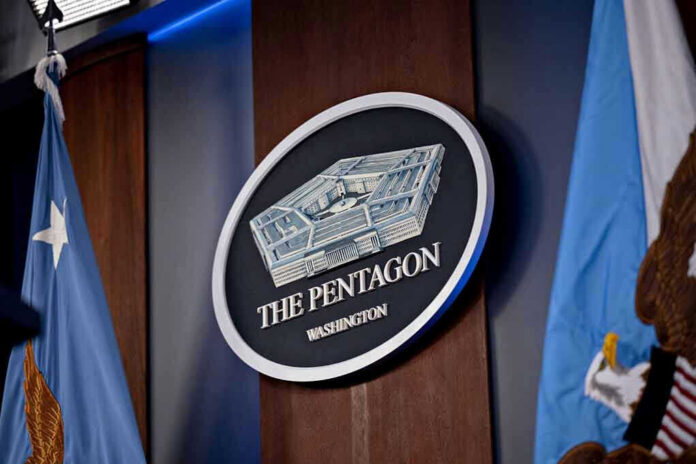
Rep. Thomas Massie used a privileged resolution to force the House to take up eight impeachment articles against Secretary of Defense Pete Hegseth within two legislative days. Hegseth answered from the Pentagon, labeling the move a political spectacle and a stunt aimed at hurting President Trump’s agenda, not fixing policy. The speed of the process sharpened the clash. With little time for hearings, the early battle plays out on camera and in headlines rather than through deep records.
The articles cover more than one battlefield or statute. They name alleged War Powers violations tied to strikes against Iran beyond the 60-day mark, a strike that hit an elementary school in Minab, operations in Yemen, a mission that seized Nicolás Maduro, alleged extrajudicial killings from boat strikes, and retaliation against Senator Mark Kelly over speech. That breadth is why Hegseth calls it politics. That same breadth is also why supporters of the resolution say it deserves a vote.
The core legal fight: War Powers and congressional control
Massie claims Hegseth waged and sustained hostilities against Iran without a declaration of war or a clear authorization, and even after both chambers told forces to leave. That charge goes to the heart of the 1973 War Powers Resolution and its 60-day clock. Congress and presidents have argued over that clock for decades, with many reports filed but few clear courtroom wins for either side. A House vote can advance a view of the law even when courts stay out.
Hegseth’s side points to process and outcomes: the House must first pass the resolution, and conviction needs a two-thirds Senate vote. That argument is realpolitik. It signals confidence and buys time. But process math does not answer whether specific orders met legal limits. To close that gap, the administration could release notifications, legal memos, and after-action reviews. That would move the debate from slogans to pages the public can weigh.
The most explosive charge: civilian harm and rules of engagement
One article ties the Minab school tragedy to U.S. Tomahawk missiles and claims changes to civilian-safety rules before the strike. That is the kind of claim people remember years later, even if details emerge slowly. The Pentagon keeps targeting packets, battle-damage assessments, and investigation files. If those records show strict checks and a different cause chain, Hegseth gains ground. If they show sloppy safeguards, Massie’s case hardens. Until records surface, both sides lean on trust and prior views.
🚨 🇺🇸 PETE HEGSETH FACES IMPEACHMENT OVER IRAN WAR!
US Defence Secretary Pete Hegseth rejected the move, saying: "We didn't start this war. Iran did 47 years ago."
He called the impeachment effort a political stunt and defended US military operations#USA #Iran #BreakingNews pic.twitter.com/TJ8J15mQ1B
— Geo Politics Desk (@GeoPoliticsDesk) November 10, 2026
American conservative values line up with two ideas at once: win wars fast and lawfully, and keep civilian harm as low as humanly possible. If Massie’s school claim is accurate and tied to policy choices, that cuts deep. If it is not, then using it as a headline charge is reckless. The burden now sits with those who made the allegation to anchor it in verifiable evidence, and with the department to disclose enough to clear the fog.
Beyond Iran: Venezuela, Yemen, boat strikes, and free speech
The Venezuela article says the Maduro seizure amounted to kidnapping linked to oil interests. That is a loaded word and an extraordinary claim. It requires extraordinary proof that the mission broke law rather than enforced it. The Yemen article alleges unlawful strikes and hundreds of civilian deaths. The boat-strike articles allege extrajudicial killings, including a follow-up hit on survivors. Another article claims retaliation against Senator Mark Kelly after he discussed refusing unlawful orders. Each claim rides on facts still shielded by classification or ongoing reviews.
These are not small disputes. They test where executive power ends, where congressional control begins, and how the United States uses force at sea and in proxy wars. Clear, timely documentation would let Congress judge conduct, not rumors. Conservatives should welcome that sunlight. It protects lawful hard power and exposes any corner-cutting that endangers troops or stains the flag.
What happens next, and what would actually settle it
The House could vote soon, or leadership could slow-walk the floor to manage risk. Even if the House approves, the Senate’s two-thirds bar makes removal unlikely in the near term. That does not make this harmless. A rushed impeachment can brand a leader without a full record. A strong record, released fast, can flip the script and make the effort look like theatrics in search of a crime. The path that honors both strength and the Constitution is simple: show the receipts, then let Congress decide.
Sources:
redstate.com, fox9.com, massie.house.gov, npr.org, abcnews.com, congress.gov
© targetdailynews.com 2026. All rights reserved.