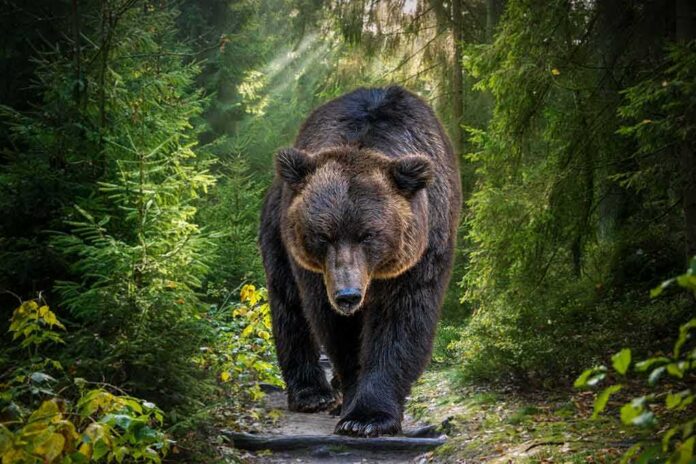
Two women on a familiar walk never came home, and signs on the trail point to a bear.
Story Snapshot
- Inspector said scene evidence suggested a bear may have been involved.
- Human remains were found on the Snooka West Trail near Bella Coola.
- The second victim was discovered about 150 meters from the first.
- Officers launched an active search and warned the public to avoid the area.
Authorities locate two victims and shift to an active bear search
British Columbia conservation officers and the Royal Canadian Mounted Police found human remains on the Snooka West Trail near Bella Coola after a search-and-rescue push. The remains were discovered where officials suspected an attack had happened. A second victim was found about 150 meters away the next day. The pattern led officials to treat both scenes as linked. Officers then moved to capture any bear or bears connected to the incident and urged people to stay away from the trail.
Inspector Jeff Tyre with the British Columbia Conservation Officer Service said evidence at the scene suggested a bear may have been involved. He said officers did not yet know if one bear or more than one was involved. No bear had been captured at the time of the update. Officials focused on trapping and testing bears from the area to identify any match with scene evidence. That included plans for DNA checks if they caught potential animals.
The victims, the walk, and the timeline that focused the search
Family and news reports identified the victims as Jennifer Balcarras, 48, and her daughter, 20-year-old Selah Reed. They left for a casual walk near their home close to the trail network and were later reported missing. Searchers then found the first set of remains on Monday, followed by the second discovery on Tuesday afternoon. The tight time window, the nearby locations, and the trail setting gave investigators a clear path to focus on possible bear involvement.
Officers closed off parts of the trail network and warned residents and visitors to avoid the area. The goal was simple: reduce risk to the public while officers worked traps, collected evidence, and assessed bear movement. Local leaders also discussed added safety steps, including night patrols and limited hours. The community adjusted travel and school routines while officers worked the case and tracked sightings near the river bottoms and berry patches.
What the scene can show and how officials confirm a responsible animal
Investigators look for a clear set of signs after a suspected bear attack. Track size and shape can help point to a species. Hair and scat can carry DNA. Bite spacing, claw marks, and tearing patterns can show how the attack happened. Clothing damage and wound details help the coroner and wildlife teams link injuries to an animal. Officers then compare any captured bear’s DNA with samples from the scene to confirm a match before they act further.
🙏 PRAY 🇨🇦 Canada:
Art therapist Jenny Balcarras and her daughter, Selah Reed, were found dead after a suspected grizzly bear attack near Bella Coola, British Columbia.The conservation service reports that multiple grizzlies may be involved, and trapping efforts are underway…
— Bobby (@bobbymorris280) November 6, 2026
These steps take time, but they matter. Canada sees millions of people in bear country each year and only a handful of fatal cases. A review of bear-related deaths from 1990 to 2023 counted 39 fatalities across Canada, split between grizzly and black bears, which shows how rare events like this are even with large bear populations. Low odds do not erase risk, but they argue for calm, steady work and clear, fact-based updates to the public.
Community grief, public safety, and the balance with wildlife
Residents mourned a mother and daughter known as close and kind. Their loss hit hard in a valley where people live near wild country. Authorities faced a direct task: protect the public and find the responsible animal if one can be identified. That approach fits common sense and American conservative values: act fast to secure families, follow the facts, and use clear standards before any lethal action. Officers said any confirmed attacking bear would be put down to guard the community.
Officials also weighed a second question: whether this case connects to an earlier school-group attack in the region. Investigators have not said the same bear was involved. They planned DNA comparisons if they captured bears in the current search. That would allow a firm answer, not a guess. One short caveat applies here: investigators said a bear may have been involved, and species identification was still a working suspicion at the time of reports.
What to watch next: evidence, identification, and reopening trails
Expect three milestones. First, the coroner’s findings on cause of death. Second, any DNA match between collected scene samples and a captured bear. Third, decisions on dispatching a confirmed animal and reopening the trail system. Each step brings firmer answers and a safer return to normal life for the valley. Until then, heed closures, carry bear spray, hike in groups, and make noise on the trail. Preparation is not panic; it is respect for wild places.
Sources:
youtube.com, thecanadianpressnews.ca, nbcnews.com, cbc.ca, nytimes.com, upi.com, castanet.net, theglobeandmail.com, usatoday.com
© targetdailynews.com 2026. All rights reserved.