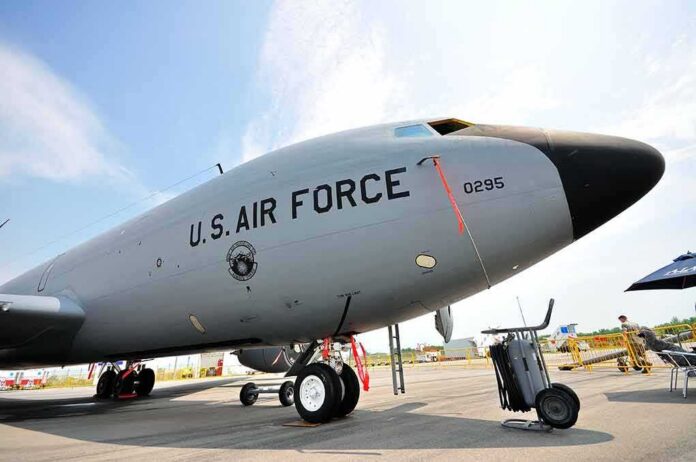
Prosecutors say an Irish activist slipped onto a parked U.S. military C-130H at Shannon Airport and smashed it beyond return with an axe.
Story Snapshot
- Federal prosecutors charged Daithi O’Corrain with destroying a $60 million C-130H aircraft at Shannon Airport.
- The indictment details cut wires, ruined gauges, damaged fuel and oxygen systems, and axe strikes on the exterior.
- Prosecutors say the aircraft was rendered inoperable and will not return to active flight status.
- Major outlets reported the unsealed indictment and the April 11 Shannon incident with consistent facts.
What Prosecutors Say Happened On The Ramp
The United States Department of Justice charged Daithi O’Corrain, also known as David Curran, with breaching the secure area at Shannon Airport on April 11 and entering a U.S. Air National Guard C-130H transport aircraft. The indictment alleges he methodically attacked the plane’s systems and instruments. Prosecutors describe wire bundles and hydraulic lines cut, a liquid-oxygen line crimped, and cockpit gauges smashed. They also cite damage to air ducts and the fuel system. The charging document frames the damage as deliberate, targeted, and extensive.
Prosecutors say crew members saw a man climb out of a roof hatch and strike the exterior with an axe. They also referenced images from a video that show a man standing on the aircraft’s roof during the incident, which matches the account of a rooftop escape and strikes. The government values the aircraft at about $60 million. The indictment states the destruction took the plane out of service and that based on the extent of the damage, it will not fly again.
Why Shannon Airport Keeps Ending Up In These Headlines
Shannon Airport in western Ireland is a long-used stopover for U.S. military flights. That traffic placed Shannon inside a steady protest scene for decades. Irish and international media have covered repeated actions, from road blockades to attempts to reach the airfield itself. Prior cases included graffiti on a U.S. aircraft and earlier breaches targeting parked planes. This history explains how a military transport on a civilian ramp became a lightning rod again, rather than an odd one-off.
Coverage of the current case sits in the same current. Reporters in Ireland and the United States tied the charges to Shannon’s role as a gateway for U.S. troops and equipment. That frame helps make sense of a man with an axe on an aircraft roof. It did not appear from thin air; it came from years of dispute over military use of a civilian airport and the meaning of Irish neutrality in a rough world.
What The Indictment’s Technical Detail Signals
The indictment’s level of detail stands out. It does not only say “vandalism” or “sabotage.” It lists systems by name and describes how they were hit. Cut wire bundles and hydraulic lines imply intent to break flight controls and key functions. A crimped liquid-oxygen line targets a system the crew depends on. Smashed gauges blind the cockpit. Add damage to ducts and fuel systems, and the picture becomes clear: the attacker went system by system to keep the Hercules grounded.
That level of specificity signals how prosecutors plan to argue motive and effect. They will say this was not random anger. They will say it was a step-by-step plan to take a military aircraft out of action. American conservatives value law, order, and the duty to protect service members and assets. On those terms, the stated actions cross from protest into dangerous sabotage. The alleged conduct, if proven, put people at risk and saddled taxpayers with a massive loss.
The Case, The Stakes, And One Narrow Caveat
The Southern District of New York unsealed the charges and placed the event squarely within U.S. jurisdiction because the aircraft is U.S. government property. Newsrooms across the spectrum echoed the core facts: same man, same date, same airport, same aircraft, and the same list of alleged damage. The consistency across outlets supports the government’s account of what happened on the ramp that day.
A standard reminder applies: an indictment is a charging document, not a verdict. Courts will decide guilt. That said, the case already sends a broader message. Airports that host military stopovers cannot treat security as a box-check. Whoever plans ramp security must think like a saboteur and deny easy paths to sensitive equipment. Access points, roof hatches, tool control, and video coverage are not details; they are the difference between a routine refuel and a total loss on the tarmac.
What To Watch Next
Watch for filings that identify the aircraft’s tail number and unit. Those records could show whether repair is even possible or if disposal is the only path. Expect prosecutors to use the video images and crew observations to tie actions to outcomes. Expect the defense to argue purpose or process. The public line is simple: the C-130H mattered to missions and crews. The rule of law must protect both from the next person who brings an axe to a flight line.
Sources:
cbsnews.com, justice.gov, abcnews.com, independent.ie
© targetdailynews.com 2026. All rights reserved.