The White House warned Democrats that their new oversight drive could cross into crime—and it did so before a single subpoena dropped.
Story Snapshot
- Democrats won both chambers of Congress and plan aggressive oversight starting in January.
- White House Counsel Will Scharf sent a three-page warning letter to Rep. Robert Garcia.
- The letter says Congress can use subpoenas for oversight, but not for harassment.
- Garcia says Congress needs no White House “permission” and cites Article One authority.
Democrats Take Both Chambers And Prepare The Subpoena Machine
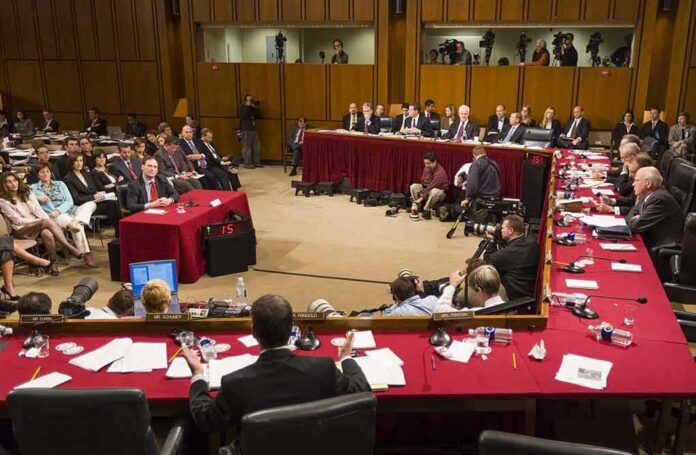
Democrats flipped control of the House and Senate in the 2026 midterms. Reporters identified Rep. Robert Garcia as the incoming chair of the House Oversight Committee. That post holds broad power to demand records and testimony. The victory sets up a fast start in January, with plans to probe actions across the Trump administration. Early comments from Democratic leaders framed the work as standard oversight with a legislative focus, not a hunt for criminal charges.
That context matters for one reason: timing. The White House moved first. The top lawyer for President Trump, Will Scharf, sent a three-page letter to Garcia. The letter warned that threats of subpoenas and public vows to investigate could run past constitutional lines. The letter did not deny Congress has oversight power. It drew a bright line between lawful oversight and what it called intimidation or harassment of officials and staff.
The White House Letter: A Line In The Sand
The counsel’s letter said compulsory process is a tool for oversight, and only for oversight. It argued that any subpoena must serve a real legislative purpose. The letter warned that some promised tactics could be “blatant criminality” if they aimed to punish or scare officials. That sharp phrase landed like a starter’s pistol. It set clear stakes for how far Democrats can go before the White House fights each step, in court if needed.
The message also previewed tactics. Expect tight control of documents, strict privilege claims, and demands to define the legislative aim of each request. That playbook has worked before. Court fights over executive privilege move slowly. That pace helps any administration that wants to run out the clock. It also raises the cost of each committee move, which can chill witnesses and stall momentum.
Garcia’s Reply: Article One And A Warning Shot Of His Own
Rep. Garcia answered with a firm reminder: Congress derives its authority from Article One, not the White House. He said Congress does not need “permission” to investigate. He also suggested the rush to warn signaled the administration had something to hide. That last claim is an accusation, not proof. But it previews the Democrats’ narrative—that they seek facts for lawmaking, while the White House seeks to block sunlight.
Legally, Congress does have broad inquiry power tied to legislation. The Supreme Court has recognized this implied power many times. House and Senate rules give every standing committee subpoena authority. But that power is not total. Courts can test if a subpoena ties to a valid legislative need, and the executive can claim privilege in narrow bands. These guardrails define the coming clash.
What Oversight Can Do—and What It Cannot
Congress investigates to write laws, check waste, and expose misconduct. It can demand records, hold hearings, and vote on contempt. It cannot run a criminal prosecution. If a committee finds possible crimes, it can make a referral. The executive branch then decides what to do. That split matters now. Even a tough report from Democrats still runs into executive control of prosecutions. That is the hard ceiling on what oversight alone can achieve.
3. Congress — a new institutional confrontation
Reuters reports, according to the screenshots, that White House counsel Will Scharf warned incoming House Oversight Committee chairman Robert Garcia about investigations that the administration considers abusive or unlawful.…— Letros Antonis the blue raincoat 🇬🇷 red rep🇺🇸 (@AntonisLetros) November 13, 2026
Both sides know the pattern. New majorities run fast. The White House raises privilege and process. Courts referee the edge cases. The pressure point is purpose. If Democrats tie requests to clear legislative aims—funding rules, ethics standards, or agency fixes—they strengthen their hand. If requests look like score-settling, they weaken it. Common sense says focus on facts, follow the money, and publish clean records. Sunlight wins arguments—and court cases—more than press lines do.
Sources:
cbsnews.com, nytimes.com, pbs.org, latimes.com, constitution.congress.gov
© targetdailynews.com 2026. All rights reserved.