A single routine question turned a Navy confirmation into a culture clash with stakes far beyond the hearing room.
Story Snapshot
- The Senate Armed Services Committee examined Hung Cao’s nomination on November 17, 2026.
- Senator Mazie Hirono pressed Cao on sexual misconduct, sailor welfare, and Iran war policy.
- Cao acknowledged strain on the fleet but argued Iran operations hurt China’s posture.
- Conservative outlets cast Hirono’s approach as hostile and performative.
A confirmation built for combat, not ceremony
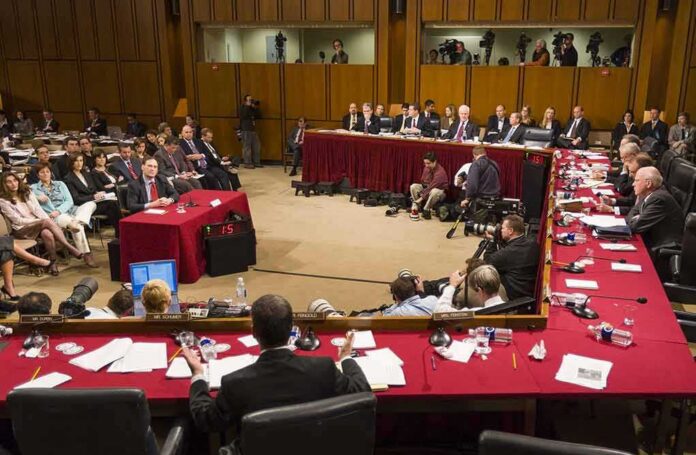
The Senate Armed Services Committee convened to vet Hung Cao for Secretary of the Navy on November 17, 2026, in the Dirksen Building. The official calendar and committee record list the session as a full committee hearing focused on Cao’s nomination. Reporters described a charged room. Lawmakers pushed on readiness, sailor conditions, and policy choices shaped by the Iran war. The calendar entries and Senate feeds confirm the timing, venue, and scope. The hearing had one job: expose gaps before they become failures.
Senator Mazie Hirono used her rounds to test ethics, judgment, and care for the force. Her office said she pressed Cao on the legality of Iran strikes, on whether deployments are grinding down sailors, and on the Navy’s footing in the Indo-Pacific. Her release quoted Cao saying the Iran conflict “set China back on their heels,” a view she disputed as rosy and risky. The exchange made clear stakes: law, morale, and strategy all intersect at the Navy’s top desk.
When a standard vetting question becomes the story
Hirono asked Cao whether he had engaged in sexual misconduct. Advocacy coverage called it her “usual shtick,” arguing there was no specific allegation tied to Cao. That framing portrayed the question as a trap, not vetting. The claim came from conservative commentary, not a committee transcript. As a matter of practice, nominees face character checks, including workplace conduct. Voters value clear lines: ask the tough question, then quickly move to evidence or move on.
Supporters said Hirono aimed to corner Cao on readiness and Iran. They argued the tone was more gotcha than governance. They highlighted Cao’s composure and his story as a refugee who “lost a country,” saying it showed grit under fire. That narrative plays well with Americans who expect leaders to own hardship and fix problems. Opinion writers added color about a “dismissive” reaction, but that remains commentary, not a verified transcript pull.
Readiness stress is real, and it did not start yesterday
Cao acknowledged the war in Iran stressed the fleet, then argued those operations complicated China’s plans. Hirono rejected that take, warning that strain is still strain. Independent watchdog work backs the stress line. The Government Accountability Office has flagged Navy problems for years: long deployments, maintenance backlogs, thin crews, and sleep-deprived sailors. These are not cable-ticker gripes; they are risk factors for accidents and lost combat power.
The US Navy has resorted to using expired munitions amid mounting shortages caused by the US-Israeli war on Iran, Acting Navy Secretary Hung Cao admitted during his Senate confirmation hearing on November 17, AP reported.
■ Testifying before the US Senate Armed Services… pic.twitter.com/XTVGLs12qG
— VPol (@VocalPolitics1) November 18, 2026
The Government Accountability Office reported recurring shortfalls in manning, training, and ship availability. It tied fatigue to mishaps and warned that recovery takes sustained leadership. Those findings match what families feel when deployments slip and repairs drag. Hard truth aligns with common sense: a tired, undermanned fleet breaks more and fights worse. Any Secretary of the Navy must fix dwell time, maintenance, and crew depth before chasing big slogans.
What the exchange revealed, and what it did not
The hearing showed two clear lenses. Hirono’s questions treated readiness and law as bright lines. Cao’s answers leaned on mission pressure and strategic tradeoffs. Both lanes are real. But only one of them ends with sailors safe, trained, and home on schedule. Conservative coverage said Democrats were hostile while Republicans backed Cao. That is politics. The job now is management: fill billets, finish repairs, enforce sleep, and set honest deployment plans the fleet can keep.
The misconduct question stirred heat because it felt detached from evidence to some viewers. If there is credible information, name it. If not, keep the screen time on maintenance, crews, and lawful orders. Americans are generous but impatient. They want fewer theatrics and more results that let their kids serve and come home in one piece. On that scoreboard, the next Secretary’s report card writes itself: fewer mishaps, shorter delays, tougher crews, steadier ships.
Sources:
townhall.com, armed-services.senate.gov, congress.gov, senate.gov, theblaze.com, hirono.senate.gov, redstate.com, btw.co, gao.gov
© targetdailynews.com 2026. All rights reserved.