Wikipedia took tools offline and warned of possible outages as two critical PHP flaws hit the internet.
Story Snapshot
- Wikimedia isolated services and warned of wiki outages during emergency PHP patching.
- Toolforge, Cloud VPS, Gerrit runners, and Wikibase Cloud were taken offline as a safeguard.
- PHP shipped fixes for two named flaws rated critical, urging immediate updates.
- The internet-wide risk was unauthenticated remote code execution on vulnerable servers.
Wikimedia pulled key systems to patch two critical PHP flaws
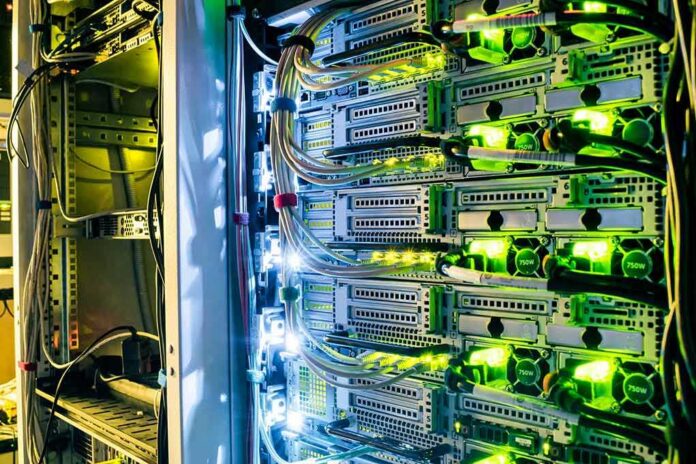
The Wikimedia Foundation said it was preparing for two critical security flaws in PHP and that users might see outages while work proceeded. The organization took many supporting services offline until they could be patched safely. Its public incident page listed Toolforge, all Cloud Virtual Private Server projects, continuous integration runners for the code review platform, and all Wikibase Cloud instances as offline, explicitly as a precaution during patching. That defensive move aimed to reduce risk while updates were applied.
Wikipedia’s core sites rely on many helper systems to run smoothly. Those helper systems publish code, process community tools, and power add-on databases. Shutting them down can ripple into slower page loads and missing features. Wikimedia said these actions were deliberate and temporary. The messaging did not claim a confirmed breach. It framed the outages as protective steps while the team deployed fixes and validated systems before restoring normal service.
What the PHP team fixed, and why speed mattered
The PHP project prepared emergency updates to address two critical flaws that independent reporting identified as remote code execution bugs with very high severity scores. Coverage named them as two specific entries in the Common Vulnerabilities and Exposures system and described them as bugs that let attackers run code on targeted servers without logging in. Security outlets described the fixes landing on October 21 and stressed that operators should patch at once to close the door on takeover attempts.
Follow-on reports said the PHP team released updated versions across supported branches and urged immediate updates. The guidance was clear: if a system could not be patched right away, operators should consider taking it offline until they could update and verify safety. That mirrors decisions by large operators when foundational software breaks. Quick, controlled downtime can beat days of quiet intrusion. In practical terms, speed here was security. Every hour unpatched was a window for a drive-by attack.
Why “pull the plug” is often the right call
Critical bugs in base software like PHP do not stay private for long. Exploit code often appears within hours of a fix. Organizations must decide whether to keep services up and hope, or accept short-term pain to protect users. During this event, governments and enterprises across Europe also took services offline while they patched, a move that tracked with advice from European cybersecurity authorities for rapid isolation and update of internet-facing systems. This pattern is not panic. It is standard risk control for shared internet plumbing.
For readers tired of tech jargon, think of PHP as the engine block under the hood of much of the web. If a mechanic says the engine may catch fire, you park the car until they swap the part. You do not keep driving because the radio still works. Wikimedia’s choice fit that common-sense approach. From a conservative angle, protecting core infrastructure, telling the public plainly, and restoring in stages is the responsible way to steward a public good used by millions every day.
What we know, what matters next
Wikimedia’s public notes detail which systems were offline and why, but they do not publish error counts or the exact number of affected users. That is normal during live security work. One clear timeline stands out: the PHP emergency release window on October 21, with critical fixes and a strong push to update without delay. One brief caveat applies here: a precautionary shutdown does not prove a compromise occurred, and Wikimedia did not report one in its statements.
Internet Archive down, Wikipedia hit by outages amid PHP issues.
— Digital Assets Daily (@AssetsDaily) October 21, 2026
The next mileposts are straightforward. First, operators finish patching and validation. Second, they restore services in order. Third, they share post-incident notes so power users and developers can learn what improved. For everyday readers the takeaway is simple. When the builders of the web’s engine say, “update now,” smart teams pause, patch, and then press resume. That brief wait beats the long slog of a breach cleanup every single time.
Sources:
insiderpaper.com, diff.wikimedia.org, wikitech.wikimedia.org, cyberscoop.com, abc11.com, theregister.com, malwarebytes.com
© targetdailynews.com 2026. All rights reserved.