Israeli police moved before dawn and detained 10 suspects after masked men attacked a Washington Post photographer and a group of European diplomats in the West Bank.
Story Snapshot
- Police reported 10 arrests tied to two weekend attacks in the West Bank.
- Victims included Washington Post photojournalist Heidi Levine and European diplomats.
- Suspects face questions over violence, a closed military-zone order, and illegal building.
- The probe continues; reports differ on whether eight or 10 were arrested.
Pre-dawn arrests follow two high-profile attacks
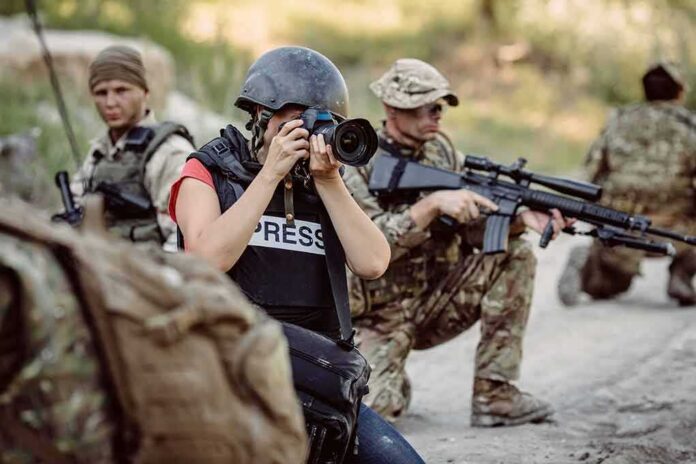
Israeli police said they detained 10 suspects in several West Bank locations after weekend incidents that drew international attention. Video from Friday showed masked men assaulting Washington Post photographer Heidi Levine, a United States citizen, as she covered a Palestinian olive harvest. The next day, masked assailants targeted a group near Taybeh that included diplomats from France, Belgium, and Poland, along with French mayor Bernard Baudoux. Police said the arrests address suspected violence and related offenses during those events.
Authorities described wider investigative grounds. Police said the detainees also face suspicion of violating a closed military-zone order issued by the Israel Defense Forces Central Command and engaging in illegal construction. That framing places the arrests within a broader law-and-order push rather than a single assault case. It also signals that prosecutors could consider multiple legal paths if assault charges prove complex or hard to assign to individuals based only on partial footage.
What the footage and witnesses establish
Footage shared over the weekend captured masked men striking Levine and damaging equipment as she documented the harvest. Major outlets reported her injuries and the immediate scramble by others on scene. The separate Saturday incident near Taybeh involved identifiable officials, vehicles, and schedules that create a clear evidentiary trail. Diplomats often travel with logs and security contacts, which add weight and structure to any investigation. The combination of video and named officials made quick arrests more likely.
Reporters cited consistent details across multiple outlets. Reuters, Deutsche Welle, United Press International, and local Israeli press reported the same core timeline: two assaults on consecutive days, followed by a pre-dawn police sweep on Monday. Most reports put the arrest count at 10. One Reuters version cited eight arrests, which suggests either an evolving tally or parallel detentions under different legal grounds. Police did not immediately name suspects or describe individual roles.
Why these arrests matter beyond a single news cycle
The victims were not random passersby. They were a prominent American journalist working for a major newspaper and a group that included European diplomats and a French mayor. That profile ensures follow-up by foreign ministries and editors, not just local officials. Diplomats have formal channels to press for updates. Newsrooms document injuries, damaged gear, and lost work. Those forces raise the cost of inaction and make a clear test: do arrests lead to charges and convictions, or do they fade as headlines move on?
Israel Arrests 10 After Settler Attacks on Journalist, European Diplomats
The arrests follow U.S. and European demands for action after masked settlers assaulted a Washington Post photojournalist and attacked a diplomatic convoy in the West Bank.https://t.co/mseidaLcZ6
— Clash Report (@clashreport) October 19, 2026
Human rights monitors say most cases of West Bank violence by Israeli civilians do not end in court wins. Yesh Din’s long-term tracking found that more than nine in ten such investigations closed without an indictment, and that only a small share produced any conviction. Those figures do not judge this case. They do explain why many observers will watch for charge sheets, court dates, and sentencing rather than statements alone. Announcements start the process; filings and verdicts finish it.
Law, order, and the conservative test for accountability
American conservative values draw a bright line here. Protect the press. Respect diplomats. Enforce order with equal rules and clear evidence. The police sweep meets the first part: act fast when masked men attack a United States citizen and foreign officials. The next part is harder and more important. Prosecutors must link people to acts and put solid cases before judges. That means naming suspects, presenting video, securing witness statements, and seeking fair penalties that fit the crimes.
Officials also flagged violations of a closed military-zone order and illegal construction, which are separate from assault. Combining charges can help prosecutors hold offenders accountable when mob actions blur individual roles. But the mix should not distract from the central acts of violence that triggered global concern. The cleanest outcome is simple: identify who struck whom, who damaged what, and who planned or aided those attacks, then bring charges that stick on the merits.
What to watch next
Court filings will tell the real next chapter. Look for a public roster of the detained, the dates of their remand hearings, and whether police submit forensic material from seized items. Watch for sworn statements from Levine, the diplomats, and local witnesses. Note if prosecutors split the case into separate tracks for assault, zone violations, and construction issues. The path from arrest to conviction is long. It runs on evidence, not urgency—and it leaves a paper trail if done right.
Sources:
youtube.com, aljazeera.com, reuters.com, dw.com, upi.com, usatoday.com, abc.net.au, yesh-din.org
© targetdailynews.com 2026. All rights reserved.