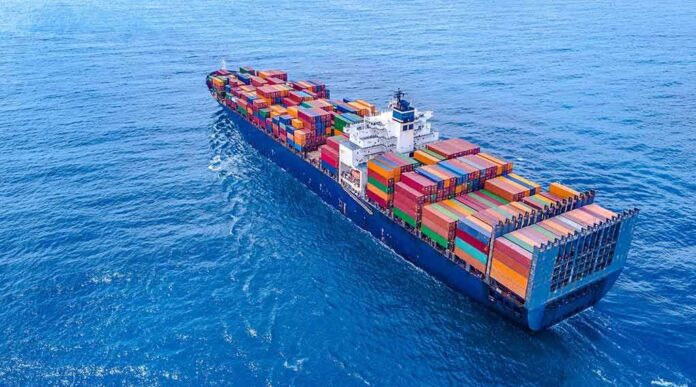
A Singapore-flagged container ship took a hit, caught fire, sank near the Strait of Hormuz—and left cargo bobbing in busy shipping lanes.
Story Snapshot
- Singapore confirmed the ship was struck by an unknown projectile, caught fire, and sank.
- All 21 crew evacuated safely with no injuries reported.
- The wreck sits near Oman’s Musandam Peninsula, a choke point for global trade.
- Floating containers now pose a hazard to ships steering through tight waters.
Strike, Fire, Sinking: The Confirmed Chain
Singapore’s maritime authority said the container ship GFS Pride sustained damage from an unknown projectile, suffered a fire, and later sank after its crew abandoned ship. The agency reported that all 21 crew were evacuated safely, and no injuries were reported. The incident took place as the vessel transited near the Strait of Hormuz on October 13, with the sinking confirmed the following day. This sequence matches multiple independent reports naming the ship and flag.
Maritime outlets and major newsrooms identified the vessel as Singapore-flagged and transiting the critical waterway when the strike occurred. The Strait of Hormuz remains one of the world’s most important trade pinch points. Reports described GFS Pride taking on water as fire control became impossible. The televised images of black smoke and the bow riding low told the rest. A routine passage turned into a full rescue operation with regional coverage tracking the ship’s last hours.
Where It Went Down And Why That Matters
Authorities warned mariners about the wreck position near Oman’s Musandam Peninsula, a tight passage where navigational mistakes compound fast. A specific notice placed the site about four nautical miles northwest of Ras al-Sheikh Masud. This location matters because traffic density there is high, and currents can push loose cargo into shipping lanes. The result is a live hazard: steel boxes drifting at or under the surface where radars can miss them at night.
Video and satellite images after the sinking showed cargo scattered in the water and a light oil sheen. That visual evidence supports reports of containers adrift. Operators in the region now must plan for sudden obstacles even on clear days. A floating container can rip open a hull at speed. A slow-moving tanker that turns to avoid one risks a close pass with another ship. A single lost stack can trigger a chain of near misses in minutes.
The Cargo Question And The Scale Of Loss
The ship could carry up to 2,824 standard twenty-foot containers. That figure shows the size of the platform, not the exact load that day. Reporters noted that no public manifest confirmed the number of boxes on board at the time of the strike. Some outlets mentioned claims of more than 2,500 containers, but those numbers were not established in public records. The only safe reading is that the potential loss exposure was large because the vessel itself was a mid-size workhorse.
Insurers and shippers care less about the maximum line on a brochure and more about what was actually aboard. That will drive salvage options, environmental risk, and claims timing. The lack of a public cargo list leaves room for noise, so responsible parties will press for documentation. Common sense says get the manifest, track the boxes, and clear the lane. That is the fastest way to end rumors and focus on recovery and safety.
Cause, Claims, And The Practical Path Forward
Newsrooms and security firms described an unknown projectile, while Iranian-linked reports claimed a sea mine. Analysts quoted by major outlets judged a drone strike plausible. The public record establishes the strike, the fire, the evacuation, and the sinking. It does not fix the weapon type. That is normal in this region, where attribution often lags events. The priority today is simple: mark the wreck, chart the debris, and keep ships and crews safe while investigators work.
Port authorities, navies, and commercial operators should map the drift of containers from the reported position and issue rolling warnings. Tug and patrol craft can herd clusters for recovery or safe sinking. Shipmasters need straight talk, not spin: updated routing advice, verified hazard plots, and rapid salvage notices. That aligns with conservative values of order and accountability. Secure the lane, share the facts, and let investigators determine cause with evidence, not conjecture.
Sources:
facebook.com, cnbc.com, bloomberg.com, mykn.kuehne-nagel.com, insurancejournal.com
© targetdailynews.com 2026. All rights reserved.