Armed, uniformed federal agents have been knocking on doors across the country this fall, asking the people who answer to prove they are citizens before they vote.
Quick Take
- The Justice Department sued California on October 15, 2026, claiming more than 20,000 people on its voter rolls are “likely aliens” and asking a court to block those ballots from being counted.
- Homeland Security sent armed agents to knock on residents’ doors and ask about immigration status and voter registration.
- A similar push in Nevada collapsed: an early claim of nearly 16,000 noncitizen voters fell to 185 names, and state officials say their records show all 185 were citizens.
- Nurses groups, local governments, and a Latino advocacy organization sued Homeland Security, arguing the home visits amount to illegal voter intimidation.
A Lawsuit Built On A Shrinking Number
The Justice Department, working with the Department of Homeland Security, filed its California suit in federal court in Los Angeles. The complaint asked a judge to stop the state from counting ballots tied to people federal officials flagged as likely noncitizens until their citizenship could be confirmed. The agency says it compared voter rolls against immigration databases to build the list.
The number itself has moved a lot. Reporting on the case noted federal officials earlier floated a figure near 190,000 potential noncitizen registrants in California, before the actual lawsuit relied on a list of about 20,000. No public explanation has been given for why the number dropped by nearly 90 percent, which is the kind of gap that makes voters and election officials alike ask hard questions.
Agents At The Door, Questions About The Method
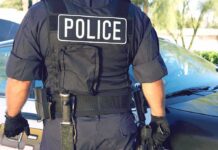
CBS News reported that armed, uniformed Homeland Security agents went to residents’ homes directly, asking about immigration status and voter registration ahead of the midterms. Civil liberties advocates argue that sending armed officers to a citizen’s doorstep to ask about voting eligibility sends an unmistakable message, whether or not that is the intent.
A coalition including the California Nurses Association, National Nurses United, Santa Clara County, San Francisco, and Voto Latino Foundation sued Homeland Security, arguing the door-to-door visits violate the Voting Rights Act’s ban on voter intimidation. The plaintiffs also argue that determining who can vote is a job for state and local election officials, not armed federal agents showing up at someone’s home.
Nevada Shows What Can Go Wrong
Nevada offers a preview of the risk baked into this approach. Homeland Security initially claimed nearly 16,000 potential noncitizen voters in the state. After Nevada officials checked their own records, that number fell to 185, and the state says every one of those 185 people was a citizen. Nevada Deputy Attorney General Greg Ott said the data Homeland Security provided was so thin, only a voter ID number, that confirming anyone’s citizenship with certainty was nearly impossible.
The New York Times separately reported that the list Homeland Security handed Nevada officials did not even include names, making independent verification extremely difficult. If a federal watchlist cannot survive contact with a state’s own voter records, that is a serious flag for any list used to challenge ballots in a bigger state like California, where far more is riding on getting it right.
Why Accuracy Has To Come First
Noncitizens generally cannot vote in federal elections, and verifying that rule is a legitimate government job, not an overreach by itself. Research from the Brennan Center has found actual noncitizen voting to be rare, and election experts warn that a “potential match” on a database search is not the same thing as a confirmed illegal vote, a registration error, or a ballot that was ever cast.
The mail-voting overhaul is blocked, yet other efforts remain in play. DOJ has ordered some states to preserve 2024 records, DHS has launched a noncitizen voter investigation, and the administration is pushing use of the controversial SAVE database.
— FairCount.bsky.social (@faircount) October 19, 2026
That distinction matters for anyone who takes election integrity seriously. Protecting the ballot box from fraud and protecting lawful citizens from being wrongly swept up in a flawed database search are not competing goals, they are the same goal. A screening system that cannot tell the difference between a noncitizen and a naturalized American with a similar name is not ready to be used to block anyone’s vote, no matter how urgent the deadline feels.
Sources:
cbsnews.com, usatoday.com, sanluisobispo.com, truthout.org, inquirer.com, clearinghouse.net, supremecourt.gov, brennancenter.org
© targetdailynews.com 2026. All rights reserved.