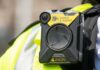
Manhattan’s sidewalk showdown proved a simple rule: film if you want, but do not block federal arrests.
Story Snapshot
- Department of Homeland Security said agitators tried to obstruct a Manhattan Immigration and Customs Enforcement operation, a federal crime.
- A 72-year-old woman says an agent pepper-sprayed her while she recorded; she plans legal action.
- Courts recognize a right to record police in public, with limits on interference and safety.
- Similar clashes keep rising as activists shadow immigration arrests across cities.
What Happened On The Street In Manhattan
Federal officers moved on an Immigration and Customs Enforcement operation in Inwood, Manhattan. A crowd formed and began filming, shouting, and closing space. The Department of Homeland Security said individuals swarmed officers, became combative, refused to clear the street, and tried to obstruct a lawful arrest after clear warnings. Officers then used measures to move people back, which included chemical spray, according to the agency’s statement to local media. The agency framed the conduct as obstruction, which federal law prohibits.
One woman, age 72, says an agent pepper-sprayed her while she recorded. She announced plans to sue, claiming her civil rights were violated during the encounter. Her account highlights a growing pattern: people use phones to watch the government, and lines get crossed when distance closes and orders to move go ignored. The fact pattern from the sidewalk matters most. Courts weigh where people stood, how they moved, and whether they blocked or threatened officers during a tense arrest window.
Recording Rights Are Real, But Not A Shield For Obstruction
Federal appeals courts have repeatedly recognized a First Amendment right to record police and similar officials performing duties in public. That right exists on sidewalks and streets where the public may stand. Courts still allow reasonable time, place, and manner rules that protect safety. Recording cannot morph into blocking, surrounding, or ignoring orders to maintain space. That is the legal balance most circuits describe, including recent rulings that affirmed the right to film while clarifying limits.
Common sense lines up with that law. People can point a camera and speak their mind on a public street. Officers can finish an arrest without bodies pressing in or vehicles boxed. No one wins when a crowd creates a blind spot near handcuffs and guns. The most responsible advice for bystanders is simple: step back, keep a clear path, obey dispersal orders, and keep the lens rolling from a safe distance. That keeps the record and avoids the charges.
Why These Flashpoints Keep Spiking
New York City has seen more immigration enforcement and more activist monitoring. Reporters describe citizens racing to scenes after social media alerts and then pressing close once federal vehicles appear. That cycle produces repeat friction. People often believe presence alone protects them. Officers often view a closing circle as a safety threat. When both sides act on those beliefs, small gaps vanish fast and force options turn more likely. That is how a filming scene flips into a spray, shove, or arrest in seconds.
🚨 DRIVE, BABY, DRIVE! 😂
Federal authorities reportedly want to charge Renee Nicole Good’s widow over possible interference with ICE officers during the incident that ended with Good being fatally shot.
If you’re going to deliberately interfere with federal law enforcement,… pic.twitter.com/9s9rwZVMVS
— 🎹 Ames™ 🎹 (@Real_Ames) August 23, 2026
Expect more of these showdowns. Cities dense with cameras and cars give little buffer. Immigration cases add moral heat and complex facts. Yet the legal core remains stable. Recording stays protected. Obstruction stays illegal. Conservative values stress law, order, and equal rules. Follow a lawful order on a public street, and you protect your rights and your neighbors. Blow through a perimeter during an arrest, and you invite the state’s strongest hand. The difference is feet, not miles.
How To Watch Smart And Stay Out Of Handcuffs
Stand where the public can lawfully be. Keep a clear path for officers and vehicles. Follow any clear, repeated order to move back. Do not touch officers, suspects, or gear. Do not use a car, a bike, or a body to block. Speak and record from a stable position. If an officer interferes with pure filming without a safety reason, ask for a badge number and step back while still recording. Courts are more likely to protect calm conduct than heated proximity.
The Manhattan case underlines the point. The Department of Homeland Security said warnings went out and people stayed in the way, so officers acted to finish the job. The woman who says she was sprayed plans to test those facts in court. That is how a system should work. Evidence will decide whether the crowd crossed into obstruction or whether an officer crossed a line. Until then, the street rule holds: record, yes; interfere, no.
Sources:
twitchy.com, ny1.com, cbsnews.com, ground.news, reason.com
© targetdailynews.com 2026. All rights reserved.