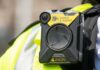
Police in Oviedo, Florida 3D-printed a fake Flock camera, watched it get cut down, and then charged the suspect with three felonies anyway.
Story Snapshot
- Officers built decoy license plate readers after real units were stolen or vandalized.
- A 24-year-old man allegedly cut down a decoy with pruning shears and smashed it.
- He now faces grand theft, criminal mischief, and damaging electronic equipment charges.
- The bait looked real but did not collect data and likely cost far less than a true unit.
Police baited the vandal after a string of real-camera hits
Oviedo police said several Flock license plate readers were stolen or damaged along Lockwood Boulevard in late July and early August. Officers responded by crafting decoy cameras that closely matched the real devices but did not store any data. An officer used a 3D printer to build the shells and mounted them in the same corridor to draw out whoever had been targeting the network. The plan centered on stopping ongoing attacks on public safety tools, not on collecting plates from drivers.
Four days after the decoys went up, an Oviedo man allegedly walked to a pole with pruning shears, cut down one of the fake units, and smashed it. Police moved in and arrested him around 1 a.m. He reportedly told officers the cameras made him feel watched and that he had read negative reports about the company online. Officers said he did not know the device he destroyed was a replica that could not capture license plates.
The charges hinge on intent and value, not just broken plastic
The arrest report and local coverage list three felony counts: grand theft, criminal mischief causing more than $1,000 in damage, and damaging a computer or electronic device. Reporters note the suspect believed the camera could cost $1,000 to $5,000, which police cite as proof he targeted what he thought was valuable surveillance gear. Yet the broken item was a nonfunctional decoy that likely cost far less than a live system to replace. The filing choice signals prosecutors may argue intent and infrastructure harm, not retail cost, drive the case.
Cities often treat surveillance networks as critical infrastructure. When people destroy parts of those systems, even shells tied into mounts and power, the act can disrupt deterrence and waste officer time. That real-world impact strengthens a felony theory. On the other hand, Florida law still requires evidence that damage or loss clears set dollar lines for some counts. A defense lawyer will likely drill down on invoices, parts, and labor to contest the alleged value that pushes the case into felony range.
Backlash to plate readers is national, but law and order still applies
Automated license plate readers stir debate. Many drivers cheer fast hits on stolen cars and wanted suspects. Others worry about mass tracking, bad data matches, or abuse. That tension has boiled over. A review found Flock cameras were vandalized in at least 36 states, from paint attacks to saw cuts and vehicle rammings. The Oviedo sting sits squarely in that wave, where anger at surveillance crosses into property crimes. Debate is fair; destruction is not.
This flock camera situation is getting ridiculous.
> Oviedo, Florida police 3D-printed fake Flock cameras at an officer’s house after the real ones kept getting stolen.
> They put the plastic decoys on poles, staked them out at night, and waited.
> A 24-year-old cut one down… https://t.co/SOnGGQKC4N pic.twitter.com/qlbaSIHmMp
— SMB Attorney (@SMB_Attorney) August 27, 2026
Law-and-order conservatives can support useful tech and still demand strict guardrails. Tools that catch car thieves should not morph into dragnet tracking for petty fines or broad profiling. City leaders should adopt clear retention limits, audit trails, and tight access rules. With that said, smashing public gear because you dislike policy is not civil debate. It is vandalism, and voters expect police to defend shared assets with smart, lawful tactics that hold up in court.
What this case tests next
Two facts will decide much here. First, whether the state can show the dollar value and repair costs meet felony thresholds when the physical object was a 3D-printed stand-in. Second, whether a court weighs the target’s role in protecting infrastructure more than its parts list. The mayor’s surprise at the sting hints at a city process question, but that is a policy issue for council, not a defense in court. The legal fight now turns on receipts, photos, and clear statutes.
Sources:
feedpress.me, nytimes.com, yahoo.com, techspot.com, newsnationnow.com, wuuqradio.com
© targetdailynews.com 2026. All rights reserved.