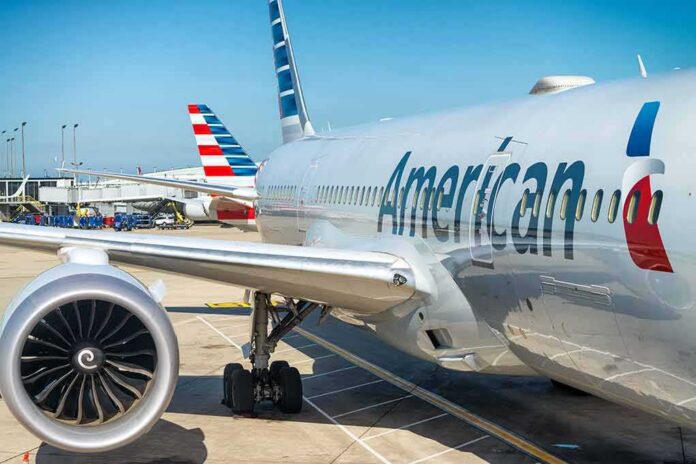
Flames and smoke from an American Airlines jet after a bird strike in Myrtle Beach did not end in disaster; the plane turned back, landed safely, and went out for inspection.
Quick Take
- American Airlines said the aircraft landed safely and was removed from service for maintenance inspection.
- Myrtle Beach International Airport reported no injuries and said passengers deplaned normally at the gate.
- Reporting said the crew saw bird-strike damage and nearby pilots observed smoke from the left engine.
- The Federal Aviation Administration said it would investigate after the crew reported the strike during departure.
What Happened Over Myrtle Beach
An American Airlines Boeing 737 struck birds shortly after takeoff from Myrtle Beach, South Carolina, on a Monday morning flight bound for Charlotte. Video and witness reports showed flames or sparks from the engine, and the crew turned the jet back toward the airport. American Airlines later said the plane landed safely and went out of service for inspection.
The early moments were noisy enough to rattle passengers. One passenger told ABC News he heard “a loud bang and some rumbling,” while a nearby pilot told air traffic control he saw smoke from the left engine after the bird strike. CNN also reported that ground crews later found a significant amount of bird debris on the runway, which fit the crew’s account of what happened.
Safe Landing, Fast Response
Officials at Myrtle Beach International Airport said no one was hurt and the aircraft taxied to the gate on its own power. Airport reporting also said emergency response units staged as a precaution, then stood down after the plane landed. The airline said it would inspect the aircraft before returning it to service, which is standard after a serious bird strike.
The safe outcome matters because the visuals were dramatic. Flames shooting from an engine can look like a crash in a short clip, but the public record here points to a controlled return and a routine evacuation from the aircraft after landing. The flight did not break apart, and the passengers got off normally at the gate.
Why Bird Strikes Often End This Way
Bird strikes are common enough in aviation that crews train for them as a known hazard, not a rare shock. Many end with a precautionary return and a maintenance inspection, especially when pilots report engine trouble or smoke. That is what makes this incident believable as an aviation event without making it a catastrophe: a violent-looking moment in the air, followed by a safe landing on the ground.
What the public record does not yet settle is the exact mechanical extent of the damage. The statements available so far say the plane was taken out of service for inspection, but they do not spell out whether the engine suffered blade damage, a compressor stall, sensor problems, or something else. The Federal Aviation Administration said it would look into the incident, which means the first reports are only the start of the story.
Why the Clip Spread So Fast
This kind of event is made for social media because the image arrives before the explanation. A few seconds of flame can outrun a full aircraft inspection, and that gap invites bigger fears than the evidence supports. Here, the facts are clear enough for the main point: the plane hit birds, the crew returned, and everyone on board got off safely.
🚨 American Airlines Flight 1760 bird strike: A Boeing 737 returned safely to Myrtle Beach after passengers saw flames from the engine area. What happened to Flight 1760?https://t.co/pYHaggEKfh#AmericanAirlines #Flight1760 #BirdStrike #AviationNews #BreakingNews
— Chetan Budholiya (@ChetanBudholiy2) August 11, 2026
That is why the most important detail is not the flash in the engine. It is the outcome on the ground. The aircraft landed safely, passengers were not injured, and mechanics took the jet out of service to find out what the bird strike actually damaged.
Sources:
facebook.com, abcnews.com, cnn.com, en.wikipedia.org
© targetdailynews.com 2026. All rights reserved.