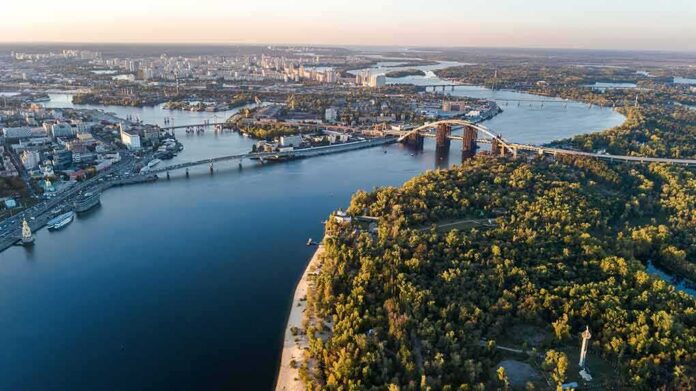
The Danube fell so low that a riverbed of war relics, ruins, and even mammoth bones came back into view.
Quick Take
- The Danube dropped to **record-low** or near-record-low levels in several countries during a summer of heat and drought.
- The low water exposed rocks, sand bars, old shipwrecks, bridge structures, and other buried features along the river.
- Reports say the exposed wrecks include a 1937 cargo ship and World War II vessels near Prahovo in Serbia.
- One of the strangest findings was a mammoth skeleton in Bulgaria, though some reports still treated the identification as pending or presumed.
A River That Suddenly Looked Ancient
The Danube did more than shrink. It exposed a layer of history that most people never think about until water disappears. Reuters reported that water levels in Romania fell to their lowest since 1996, while other reports said Budapest and parts of Serbia and Croatia also hit historic lows. The pattern was not a single bad stretch. It was a basin-wide stress event across several countries.
That matters because the river is not just scenery. It is a working corridor for shipping, farming, tourism, and energy. Reuters said low water forced irrigation restrictions in Romania and disrupted shipping and tourism along the banks. AP also tied the low levels to tourism and industry pressure. When the Danube falls this far, the loss is measured in both symbols and money.
What the River Bed Revealed
The exposed objects made the story easy to understand at a glance. Reports described rocks, sand bars, stones, bridge piers, shipwrecks, and wartime debris coming into view as the river receded. In Serbia, Reuters and CNN reported that low water uncovered boats, sand banks, and German World War II wrecks near Prahovo. Those wrecks are not just old steel. They are a reminder of how much the Danube has carried, hidden, and now surrendered.
One of the most eye-catching finds came from Bulgaria, where low water exposed mammoth remains near Ryahovo. Reports identified museum staff, including Nikolay Nenov of the Regional Historical Museum in Ruse, as part of the identification process. That gives the mammoth story more weight than a casual social media claim. Still, some coverage used cautious words like “believed” or “presumed,” so the find is vivid, but not as settled as the river drop itself.
Heat, Drought, and the Climate Frame
Most reports linked the low water to a mix of heat, drought, and poor rainfall. Xinhua said prolonged drought and a lack of rainfall had driven Budapest to a record low of 31 centimeters. Reuters said the river in Romania hit its lowest flow in 30 years, with low levels disrupting farming, shipping, and tourism. Time and other Danube-focused reporting pointed to low precipitation and weak snow in the river’s headwaters as part of the setup.
The Danube in Hungary (especially around Budapest) hit record-low levels in late July 2026—down to ~28–31 cm and lower at points, beating the previous 2018 low of 33 cm—due to prolonged drought and heat. This has exposed riverbed areas normally submerged, revealing WWII-era…
— Adrienn Andrássy (@AndrassyAdrienn) August 6, 2026
The climate argument is strong in broad terms, but the media package here does not prove the full chain by itself. It shows a clear drought, and it shows the damage the drought caused. It also shows why people reach for climate change as the larger frame. But the retrieved material does not include the underlying attribution study or the full gauge records needed to measure exactly how much climate change altered this event.
Why This Story Sticks
This is the kind of story that punches through noise because it has faces, objects, and names. A shipwreck is more memorable than a water table. A mammoth jaw is more memorable than a discharge graph. That is the danger and the power of the coverage. The visuals make the drought hard to ignore, but they can also crowd out the slower truth: this was a serious hydrological shock with real effects on transport, farming, and public infrastructure.
For readers who want the plainest version, it is this. The Danube fell unusually low across much of Central and Eastern Europe. That exposed long-hidden wrecks, fossils, and riverbed features. It also slowed commerce and strained water use. The spectacle is real, but the more important story is the river itself. When a major European artery shrinks this sharply, the relics are only the visible part of the problem.
Sources:
euronews.com, facebook.com, cbsnews.com, timesofindia.indiatimes.com, wiredesk.org, discovermagazine.com, theguardian.com, cnn.com, economictimes.indiatimes.com, eurointegration.com.ua, news.sbs.co.kr, gizmodo.com, insideclimatenews.org
© targetdailynews.com 2026. All rights reserved.