Bed Bath & Beyond, the once-dominant home goods giant that shuttered every single store nationwide, is staging a stunning California comeback just over a year after its second bankruptcy—prompting Governor Gavin Newsom to personally celebrate the revival.
Story Snapshot
- Bed Bath & Beyond returns to California after full closure, defying e-commerce predictions.
- Governor Newsom issues press release praising the economic boost.
- New owner Brand House Collective drives hybrid retail resurgence amid CA’s high rents and theft issues.
- Revival highlights nostalgia’s power over Amazon dominance, creating jobs and tax revenue.
- Experts warn 70% of “zombie brands” fail, testing long-term viability.
California Retail’s Brutal Closure Wave
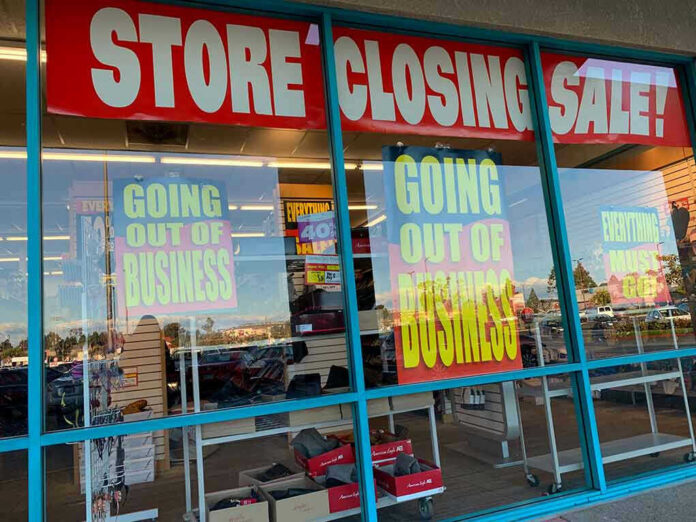
California lost over 1,200 stores in 2022 alone, per CoStar data, as COVID bankruptcies and Amazon’s rise crushed chains like Bed Bath & Beyond, which shuttered 360 locations nationwide in 2023. High San Francisco rents averaging $60 per square foot exacerbated closures. Prop 47’s theft leniency fueled retail exodus, with Old Navy and Macy’s fleeing Union Square. Bed Bath & Beyond filed its second bankruptcy in 2025, closing all physical sites amid e-commerce shifts.
Tower Records, founded in California, shut all U.S. stores in 2006 with only a brief 2010 pop-up, no full revival. Linens ‘n Things liquidated fully in 2008. Forever 21 exited California in 2019 before partial 2020 returns under new owners. These precedents show revivals demand strong IP value and investor backing, contrasting pure liquidations.
New Ownership Fuels the Comeback
Brand House Collective, formerly Kirkland’s, acquired Bed Bath & Beyond post-bankruptcy. They operate 14 Kirkland’s stores in California, planning conversions to Bed Bath & Beyond Home over 24 months despite earlier no-stores announcement sparking fan backlash. Marcus Lemonis, executive chairman, shifted strategy, prioritizing profitability by closing 6% underperformers—five in Q2 2025—leaving 309 locations nationwide.
Plans include five new Bed Bath & Beyond Home stores in Nashville this year, buybuy Baby openings in 2026, and Overstock expansions. California customers gain online access, but physical returns signal hybrid model’s triumph. Investors like Apollo Global back such moves, leveraging brand nostalgia for foot traffic.
Governor Newsom Champions the Revival
Governor Gavin Newsom released a statement praising Bed Bath & Beyond’s California return for job creation and economic lift. Simon Property Group mall developers stand to gain from renewed traffic. Consumers, fueled by TikTok nostalgia trends, demand experiential shopping countering Gen Z digital fatigue. Franchisees and bankruptcy courts shaped the path from Chapter 11 to resurgence.
https://twitter.com/nypost/status/2047489748936130940
Power dynamics favor investors over operators and local government, with tax incentives smoothing leases. Retail lobbying pushes theft law reforms, aligning with conservative calls for common-sense security to sustain physical stores against e-commerce giants.
Economic Boost and Community Revival
Each new store generates 50-200 jobs and $10-50 million in annual California sales tax. Urban spots like LA’s Melrose Avenue regain vibrancy, pressuring competitors like Zara. Short-term tourism spikes; long-term viability tests brick-and-mortar against Amazon’s 50% market share. Malls saw 15% vacancy drops per CBRE 2025 report, favoring experiential retail.
Socially, nostalgia combats online isolation. Politically, success bolsters post-election economy shifts. Industry signals hybrid trends like Nike’s 2025 reboots, challenging pure e-tailers. Facts support optimism: revivals fill voids where policy fixes theft, embodying American resilience over regulatory hurdles.
Sources:
Iconic store returns to California after shuttering all locations