A bus packed with explosives detonated in front of a police station, killing seven and signaling a terrifying resurgence of coordinated guerrilla terror in Colombia’s urban heartlands.
Story Snapshot
- Over 20 explosions and attacks hit southwest Colombia on June 10, 2025, killing 7 including 2 police officers and injuring 28.
- Villa Rica bus blast targeted police station; car bombs, motorcycle bombs, and gunfire struck Cali and Cauca towns.
- Authorities blame FARC dissident Estado Mayor Central (EMC), pressuring President Petro’s faltering “total peace” policy.
- Follows June 7 assassination attempt on candidate Miguel Uribe Turbay, heightening national tensions.
- Experts warn of 1980s-style violence return as EMC expands urban operations from drug strongholds.
Wave of Attacks Unfolds on June 10
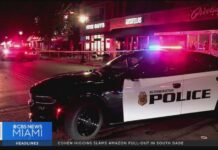
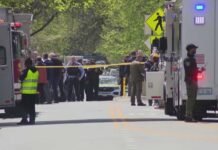
Explosions erupted across southwest Colombia starting early June 10, 2025. A bus exploded in Villa Rica before a police station, killing passengers and bystanders. Cali saw blasts near Meléndez police station in Los Mangos and Manuela Beltrán substation. Guachinte and Corinto faced car bombs at city hall. National Police tallied over 20 terrorist acts, including motorcycle bombs, gunfire, and possible drone strikes against police and municipal sites. Army forces prevented six more attempts and arrested two suspects preparing devices.
FARC Dissidents Emerge as Prime Suspects
Colombian authorities pointed to Estado Mayor Central (EMC), a FARC dissident faction rejecting the 2016 peace deal. EMC controls cocaine trade and extortion in Cauca and Valle del Cauca, expanding from rural bases into urban Cali. Army intelligence linked attacks to EMC leader “Calarcá,” though unverified. EMC issued a statement accusing President Petro’s government of peace process failures and warning civilians from police areas, without claiming the blasts. This multi-method assault differs from past isolated bombings like 1989 Bogotá or 2000 Boyacá incidents.
Historical Roots Fuel Current Crisis
FARC formed in 1964 amid guerrilla warfare. The 2016 accord demobilized most fighters, but EMC rejected it, growing under “Calarcá” into a criminal powerhouse. President Petro’s 2022 “total peace” talks stalled as EMC accused reneging. Southwest Colombia, with Cali as economic hub, serves as EMC stronghold. June 7’s shooting of presidential candidate Miguel Uribe Turbay—shot twice in the head, now critical—intensified pressures. A 15-year-old faces charges. These attacks evoke 1980s-1990s cartel-rebel wars.
Government and Local Leaders Respond
Cali Mayor Alejandro Eder deployed security forces, declaring the situation under control by afternoon. Vice President Francia Márquez Mina condemned the violence and pledged redoubled efforts. Valle del Cauca Governor Dilian Francisca Toro demanded a National Security Council meeting. President Petro sought U.S. aid on the Uribe case. Interior Minister Armando Benedetti mentioned unverified guerrilla ties to the shooting. Military captured explosive makers linked to EMC leadership. As of June 11, death toll stood at 7, injuries at 28, with no further immediate attacks.
Explosive device on a bus kills 7 in southwest Colombia as violent attacks persist (Colombia) https://t.co/73ZNgy27tz
— Castanet (@CastanetNews) April 26, 2026
Impacts Ripple Through Society and Politics
Two police officers and five civilians died; 28 others, including military, suffered injuries. Cali residents faced disrupted business and tourism in this vital hub. Short-term fear prompted security surges; long-term risks undermine Petro’s peace agenda, boosting opposition like Uribe’s allies. Investor confidence wanes in the southwest amid drug violence spillover. EMC’s urban reach alarms analysts, pressuring concessions while challenging state authority in once-safe cities.
Expert Views Highlight Escalation Risks
Sergio Guzman of Colombia Risk Analysis sees attacks as leverage for government concessions. Elizabeth Dickinson of International Crisis Group calls it a “well-coordinated offensive” revealing EMC’s alarming Cali capacity. EMC portrays violence as government failure; officials label perpetrators terrorists. Facts align with common sense: dissidents exploit negotiation weakness, rejecting peace for territorial drug control. Strong security, not endless talks, restores order per conservative principles.
Sources:
CNN: Multiple explosions reported in Colombian city of Cali (June 10, 2025)
Straits Times/AFP: Police report 16 bomb, gun attacks across south-west Colombia (June 10-11, 2025)
Wikipedia: Boyacá necklace bomb incident
UPI Archives: Seven killed in bus explosion (1989)