Women brawled on the floor of a Lidl supermarket in Nanterre, France, while police rushed to stores across the country — all because of a discounted air conditioner.
Story Snapshot
- Lidl France put roughly 200,000 air conditioners and fans on sale July 2, 2026, priced at 179 euros — far below normal market prices — as a deadly heatwave gripped the country.
- Shoppers lined up as early as 5:00 a.m., and crowds quickly turned violent at multiple stores, with police called in and a store entrance broken down in Nanterre.
- France had already set an all-time national temperature record in late June, with highs reaching nearly 44°C and a top-level Red Alert issued across most of the country.
- Some shoppers accused Lidl of false advertising, saying stores had only one or two units despite the nationwide promotion, and one shopper alleged police officers walked off with air conditioners themselves.
A Country on the Boil
France was already in crisis before the Lidl sale began. The country set an all-time national temperature record on June 24, 2026, with an average of 30°C across the entire country. Temperatures in some towns hit 43.8°C. France’s national weather agency, Météo-France, issued a top-level Red Alert for 58 of the country’s departments — most of the nation. Forty people died in drowning accidents alone during the heat emergency.
With temperatures that high and no end in sight, a working air conditioner stopped being a comfort item and became a matter of survival. That reality set the stage for what happened when Lidl announced its sale. Families who could not normally afford cooling equipment saw a rare window to buy one. Thousands of them showed up at the same time.
What Happened at the Stores
On the morning of July 2, 2026, Lidl France launched a one-day promotion on portable air conditioners and fans, priced at 179 euros each. That price was well below the several hundred euros these units normally cost. The company reportedly put about 200,000 units on sale across its stores nationwide. Shoppers began lining up before dawn — some as early as 5:00 a.m. — and crowds swelled fast.
What followed was chaos. Police were sent to multiple stores to handle fights, line-cutting, and physical brawls. In Nanterre, a suburb of Paris, a store entrance was broken down by the surging crowd. Video spread quickly on social media showing women fighting on the store floor. The scenes drew international attention and sparked sharp debate about what they revealed — about poverty, about desperation, and about how France is changing.
Anger at Lidl — and at Police
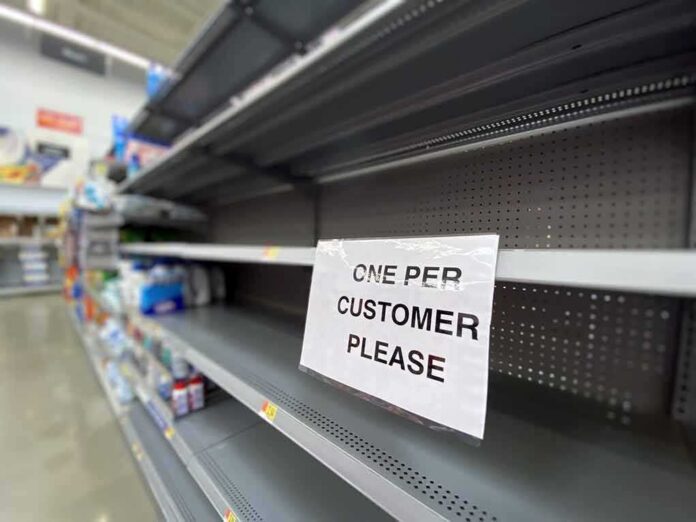
Many shoppers left empty-handed and furious. Some said their local store had only one or two units available despite the national rollout of 200,000. They accused Lidl of promoting a sale it could not actually deliver. No official statement from Lidl France addressed those complaints. Adding to the anger, one shopper named Moussa Traore told the Agence France-Presse news agency that police officers may have taken air conditioners for themselves — an allegation that, if true, would make a bad situation look even worse.
Watch as women brawl on the floor of a Lidl store in Nanterre, France, as shoppers continue to fight over air conditioners amid the French heatwave.
Follow Press TV on Telegram: https://t.co/h0eMpifVIe pic.twitter.com/gyH3eh7WUn
— PressTV Extra (@PresstvExtra) July 3, 2026
Neither French authorities nor Lidl publicly responded to those specific accusations. Research shows that retail sales of cooling products spike sharply during extreme heat — one study found a 4% overall sales increase when temperatures top 35°C, with cooling categories rising far more steeply. Retailers across Europe have repeatedly been caught flat-footed by that surge, failing to stock enough units or manage crowds safely. This was not a unique failure. It was a predictable one that nobody prepared for.
What This Really Shows
Strip away the politics, and what you see in those Lidl videos is a basic failure of systems that are supposed to protect ordinary people. A deadly heatwave hit. Millions of working-class families could not afford air conditioning at normal prices. A retailer offered a brief discount. Crowds formed because the need was real and urgent. Then stores ran out, police were called, and people went home without the one thing that might have kept them safe that night.
That is a story about infrastructure, affordability, and preparedness — not just about crowd behavior. Governments across Europe have known for years that extreme heat is becoming more frequent and more deadly. The question of who can afford to stay cool — and who cannot — is not going away. What happened at Lidl on July 2 put that question on the floor of a supermarket for the whole world to see.
Sources:
zerohedge.com, en.sedaily.com, youtube.com
© targetdailynews.com 2026. All rights reserved.