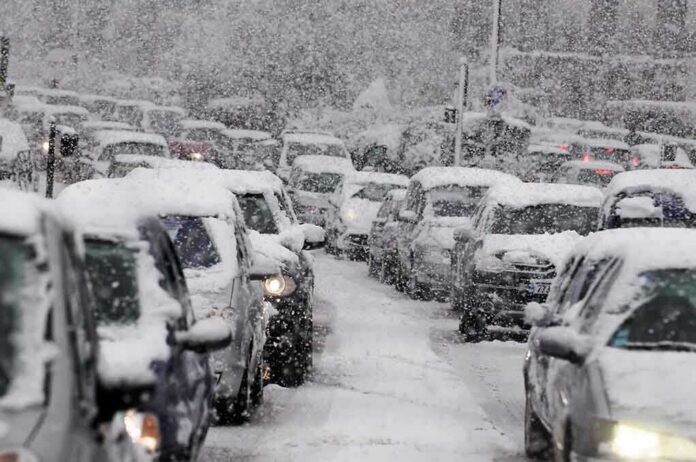
When winter storms trap motorists on frozen highways, the difference between inconvenience and catastrophe often comes down to what’s packed in your trunk.
Story Snapshot
- Vehicle batteries, brakes, and antifreeze systems require pre-winter inspection to prevent breakdowns in freezing conditions
- Emergency kits should include jumper cables, blankets, food, water, traction materials, and communication devices
- Snow tires and proper tire pressure become critical safety factors in northern climates and mountain regions
- Stranded drivers must stay with their vehicles, run engines intermittently, and keep tailpipes clear of snow
The Mechanical Foundation of Winter Safety
Vehicles face brutal stress when temperatures plummet. Battery failures spike during cold snaps because chemical reactions inside batteries slow dramatically, reducing available power precisely when engines need extra cranking force. Testing battery health and charging systems before winter arrives prevents roadside emergencies. Antifreeze protects engines from cracking when water freezes and expands inside engine blocks. A proper 50/50 coolant mix ensures protection down to dangerous temperature thresholds. Brakes, belts, hoses, and heating systems all demand inspection before the first snowfall transforms routine maintenance into crisis management.
Traction Tools That Save Lives
Rubber compounds in standard tires harden when temperatures drop below 45 degrees, reducing grip on icy surfaces. Snow tires maintain flexibility in freezing conditions, their specialized tread patterns channeling snow and slush away from contact patches. Northern drivers and mountain residents gain substantial safety margins from proper winter rubber. Tire pressure drops approximately one pound per square inch for every 10-degree temperature decrease, creating underinflated conditions that compromise handling and braking. Winter wiper blades resist ice buildup better than summer versions, while winter-formula washer fluid prevents freezing in reservoir tanks and spray nozzles.
Emergency Supplies That Matter
Jumper cables or portable battery chargers address the most common winter vehicle failure. Snow shovels and ice scrapers enable drivers to dig out from accumulation or clear visibility-critical windows. Abrasive materials like sand, kitty litter, or salt provide traction when wheels spin helplessly on ice. Flashlights with spare batteries illuminate nighttime emergencies. Blankets and extra clothing combat hypothermia if heating systems fail. First aid kits address injuries from accidents or exertion. Non-perishable food and bottled water sustain occupants during extended waits for rescue. Cell phone chargers maintain communication lifelines. Warning flares or reflective triangles alert other drivers to disabled vehicles.
Survival Protocol When Stranded
Drivers who abandon vehicles in blizzards risk disorientation and exposure. Staying inside provides shelter from wind and precipitation while maintaining visibility to rescuers. Bright markers like cloth tied to antennas or windows help search teams locate stranded motorists. Running engines intermittently conserves fuel while maintaining cabin warmth, but carbon monoxide poisoning kills when snow blocks tailpipes. Checking exhaust outlets before each engine start prevents deadly gas accumulation inside passenger compartments. This disciplined approach keeps occupants alive through multi-hour ordeals until help arrives.
Travel expert reveals must-have items for your vehicle during winter storms | Wake Up Americahttps://t.co/9r08EPbMaK
— ConspiracyDailyUpdat (@conspiracydup) January 23, 2026
Winter driving demands respect for physics and preparation for worst-case scenarios. Mechanical systems optimized for summer conditions fail predictably in subzero temperatures. Emergency supplies transform terrifying situations into manageable inconveniences. The investment in proper equipment and maintenance costs less than a single tow truck call and infinitely less than the alternatives when storms turn highways into frozen traps. Smart drivers prepare vehicles before weather forces the issue, recognizing that winter’s arrival on the calendar means nothing compared to winter’s arrival on the roads.
Sources:
Preparing Your Car for Winter – Constellation Energy
Minnesota Winter Car Checklist: 15 Things to Do Before the First Snowstorm – Nelson Ford
Connecticut Winter Car Checklist – Gates GMC North Windham