For days, a small village fixated on a bag said to hold male genitalia—until science said it didn’t.
Story Snapshot
- Police in Botswana arrested a Zimbabwean man near Shashe-Mooke after a tip-off.
- Prosecutors charged him with illegal entry and possession of suspected human body parts.
- Forensic tests later found the seized items were not human remains, police said.
- Police now claim the items were props in a cash-for-“healing” scam.
From shock arrest to a lab result that flipped the script
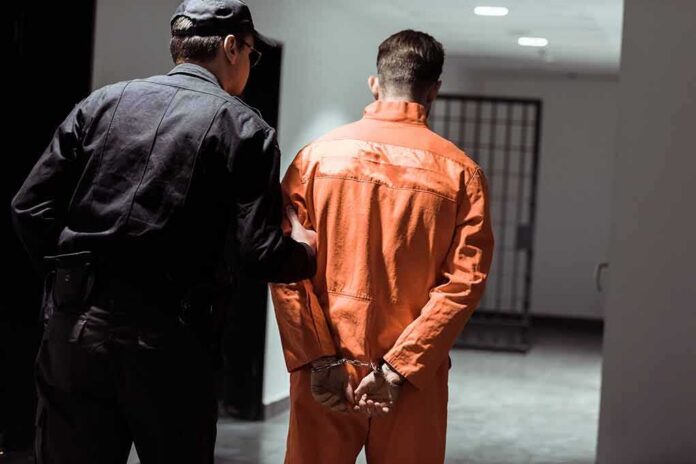
Botswana Police Service officers detained a 28-year-old Zimbabwean near Shashe-Mooke after they received a tip-off and searched his bag. They said they found items that looked like human body parts, including male genitalia. Prosecutors brought two charges in the Francistown Magistrates’ Court: entering Botswana through an ungazetted point of entry, and possession of suspected human body parts. The court remanded him in custody while tests went to the state lab to confirm what the items were.
Forensic and scientific analysis later ruled that the exhibits were not human remains, according to statements reported from police. Investigators then shifted focus. They alleged the objects were tools in a scheme where the suspect passed them off as real body parts to convince people he had supernatural power to cure bad luck and personal problems for cash. That claim fits a known pattern: quick shock, slow science, then a reframed case after evidence testing. The illegal entry charge remained on the court roll.
How “suspected” becomes “not human” in real cases
Frontline officers act on what they see and hear. The law allows “suspected” body-part charges when facts on the ground point that way. That protects public safety while the lab works. Visual calls can go wrong, especially with crafted items made to look like organs. Forensic teams bring time, tools, and standards. When they report “not human,” that result should carry the day. That is how a fair system should run: act fast, then correct with facts.
Courts in Botswana treat human body-part crimes as severe. Lawmakers have debated long prison terms for those offenses because they shock the public, stir fear, and can feed violence. That is why police moved quickly. But a tough law also demands tough proof. The state lab’s conclusion ended the body-parts track in this case. The quick pivot to a fraud theory suggests investigators followed the evidence rather than pride. That is the right move for justice and order.
The scam angle: fear, faith, and easy money
Police now say the items were stage props for a classic con: promise relief from “curses,” show fake “proof,” then ask for payment. People fall for this because fear is strong and pain is real. Con artists target the lonely, the sick, and the desperate. They sell hope on the cheap, then vanish. If the state can prove that pitch and those payments, fraud charges should stick. If not, the court must clear the man on that front, too.
Common sense says two truths can live here. First, police must act when a bag holds things that look like human parts. Second, citizens deserve clear answers backed by tests. The lab gave that answer. Now the focus should be on real crimes that can be proved. Border laws matter. So does stopping scams that prey on faith and fear. The public deserves both safety and truth—fast action at first, and hard evidence to finish the job.
Lessons for readers: wait for the lab, demand the receipts
Local news can race ahead on shocking claims. Headlines sell panic. But hard cases need hard proof. One strong tip is to look for two things before you decide: what exact charge did prosecutors file, and what did the lab say. “Suspected” means the clock is still running. When the test flips the story, accept it, then watch for new charges with real footing. That standard protects the innocent and still punishes the guilty.
Officials also owe the public tight communication. Say what was seized, where it went, and when results came back. Share the new theory and why it fits the facts. That builds trust and cools rumors. Communities near borders know the stakes. Smugglers use fear to move money. Good policing stops that without feeding panic. This case shows the blueprint: seize, test, correct, and, if needed, refile. That is how you keep order with both speed and fairness.
Sources:
reddit.com, dailynews.gov.bw, allafrica.com, news.co.zw
© targetdailynews.com 2026. All rights reserved.