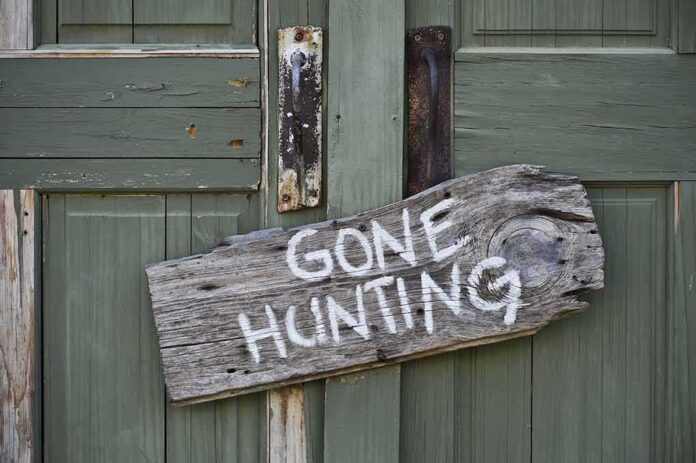
President Trump just flipped the default on America’s outdoors: open to hunters and anglers unless science says close it.
Story Snapshot
- Two executive orders expand hunting and fishing access on federal lands and waters.
- Agencies must treat access as “open until closed,” with closures tied to local resource needs.
- The saltwater order moves to roll back rules that limited anglers and boaters.
- Advocates cheer access and local economies; critics cite lead and habitat concerns.
What the orders do, in plain terms
The White House issued two executive orders that tell federal agencies to expand access for hunting, fishing, and related recreation on public lands and waters. The hunting order lays out deadlines for the Interior Department to open specific sites and to presume lands are open unless local conditions justify limits. The saltwater order directs Interior, Agriculture, Commerce, and the Army’s civil works arm to suspend, revise, or rescind rules that restrict recreational fishing and boating where law allows. The goal is more access, fewer delays, and clearer rules.
The White House framed the moves as a push to revive hunting heritage, recruit new outdoorsmen and women, and keep wild game healthy through active management. Supporters also link access to economic activity. When families fill campgrounds and marinas, small towns get weekends that pay the bills. The administration argues that decades of piecemeal limits hardened into red tape that shut out normal recreation without clear gains for wildlife. These orders flip that script, fast, and put the burden back on agencies to prove a closure is needed.
How the “open until closed” standard changes the field
“Open until closed” sounds simple, and that is the point. Land managers still can close areas for nesting, drought, fire risk, or safety. But they must tie limits to on-the-ground facts and explain the why. That standard removes vague, slow-walk rules that kept gates shut even when conditions improved. For hunters and anglers, predictability matters. Planning a season takes time. A clear default helps families budget, small shops stock up, and guides book trips with confidence.
The saltwater order reaches beyond shorelines. It signals a reset on rules that made it harder for recreational anglers and boaters to use coastal waters. The order tells agencies to start undoing or updating limits that do not reflect current data, new gear, or better science on fish stocks and bycatch. It pairs this with earlier steps the White House says restored fishing access across marine national monuments. The message is consistent: if a rule blocks normal, sustainable use, show the evidence or stand down.
What critics say about wildlife, lead, and process
Advocacy groups warn the Interior Department’s direction favors trophy-hunting interests and weakens stewardship. They say opening more lands could ignore site-specific risks and increase exposure to toxic lead from ammunition and tackle, which they call a threat to over one hundred species and people who handle game. Conservation writers add that managers should not relax limits without full analysis and public input, especially in parks and refuges where visitors mix with hunters. These arguments focus on risk, not on disputing the fact of the orders.
President Donald Trump signed two executive orders aimed at expanding outdoor recreation, including broader access to federal lands for hunting, fishing and shooting. The orders also call for reducing restrictions on recreational fishing and expanding public access to federal… pic.twitter.com/SPsTvft6uk
— Asia Fact-Check (@AsiaFactCheck) September 18, 2026
The lead issue deserves a clear-eyed look. Some groups want federal barriers to lead gear kept or strengthened, citing ingestion risks for birds and other wildlife. The administration and many sportsmen counter that state wildlife agencies already manage these risks with seasonal rules, non-lead zones, and education. On the merits, common sense says decisions should follow local biology and water tests, not blanket bans or blanket approvals. The “open until closed” model can support that if closures track real, measured harm.
What it means for states, towns, and you
States and tribes remain central managers for game and fish. These orders do not erase bag limits, seasons, stamp rules, safety training, or tribal rights. They do push federal gatekeepers to coordinate better and to use easements, swaps, and volunteer programs to unlock landlocked tracts and improve habitat work. That can turn dead space on a map into working ground for families, veterans’ groups, and youth programs. Local marinas, tackle shops, and diners will feel the first wave if access expands on time and stays stable.
Conservative readers will see a broader theme. Washington has treated ordinary recreation like a problem to manage. These orders treat it like a good to protect. They demand proof before a “no,” respect state expertise, and clear a path for outdoor traditions that build responsibility and fund conservation through licenses and excise taxes. If agencies execute with discipline—tight science, crisp notices, real enforcement where needed—the result can be more freedom, healthier wildlife, and stronger coastal and rural economies.
What to watch next
Agencies now face short deadlines to open areas, review rules, and post clear guidance. Watch how Interior documents the reason for any closures, how Commerce handles recreational catch rules in mixed-use fisheries, and where non-lead requirements appear for hotspots with known risks. Expect lawsuits from advocacy groups on lead and habitat. Expect cheers from hunters and anglers as gates literally open. The test is simple: more access with sustained game and fish numbers. If both hold, these orders will stick.
Sources:
redstate.com, whitehouse.gov, socialnews.xyz, thehill.com, foxnews.com
© targetdailynews.com 2026. All rights reserved.