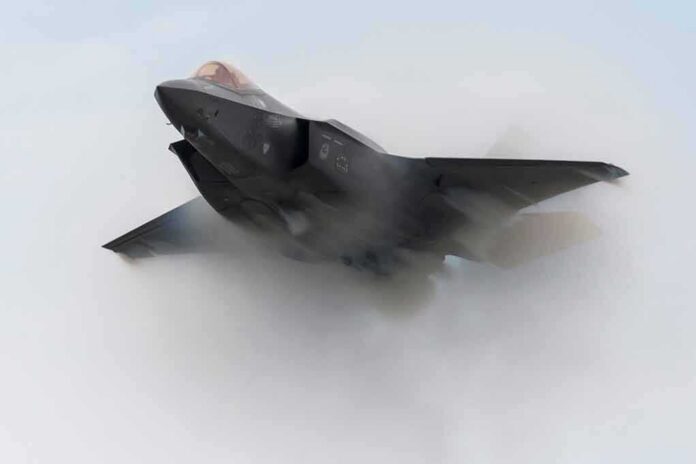
A single photo of a “Made in USA” F-35 set off a secrecy fight that now reaches Canada’s top access-to-information gatekeepers.
Story Highlights
- Canada is withholding F-35 records under national security exemptions allowed by law.
- The acquisition spans 88 jets with a multibillion-dollar price tag and long lead items.
- Auditors and critics say poor planning and opaque costs have dogged the project for years.
- A United States official blasted Canada’s review delays and lack of transparency.
What Canada Says The Law Allows
National Defence cites the Access to Information Act, which lets agencies refuse records if release could harm defence or foreign affairs. Section 15 is injury-based and discretionary; officials must judge the risk, then decide to withhold or redact. This is not a one-off move. Defence has applied section 15 regularly in recent years, making secrecy around military files routine rather than rare. That is the government’s core case: protection of allied capabilities and operational security comes first.
Officials also argue that procurement files hold technical data, industrial pricing, and delivery schedules. Those details shape tactics, supply chains, and countermeasures. Canada buys the F-35 through a government-to-government arrangement with the United States and industry partners. Allies expect discipline with sensitive information. The rule is simple: share inside secure channels, not on public websites. Under the law, that logic passes the threshold for withholding when risk to defence is reasonable.
The Cost Shadow That Will Not Leave
The money story trails the program like a contrail. Parliament’s public accounts committee relayed the Auditor General’s view that officials did not show enough due diligence on the F-35 path, which weakened trust at the start. That legacy matters now. When agencies say “trust us” on redactions, critics point back to earlier costing gaps and planning misses. The cycle feeds itself: past opacity justifies present doubt; present doubt invites tighter messaging that looks like more opacity.
The price scope is large and layered. It is not only the jets; it is spares, weapons, training, software, simulators, and hangars built for a stealth fleet in harsh weather. Canada’s ongoing payments for key components while a broader review churns shows how long-lead logistics lock in choices years ahead of visible milestones. Supporters call this common sense in modern aerospace. Skeptics call it a way to spend first and explain later.
Allies Press For Clarity; Ottawa Plays For Time
A senior United States defense official publicly said Canada’s review delays, plus weak transparency, put politics ahead of North American defence needs. That charge hits hard because the F-35 is a team sport. Interoperability only works if timelines align, data flows, and crews train to the same software block. When schedules slip, other countries notice, and they say so. Ottawa’s reply, in practice, has been to cite process, legal limits, and classified briefings for those with clearances.
From a common-sense standpoint, allied pressure is not personal; it is about readiness. Clear plans, honest cost windows, and crisp delivery dates matter more than press lines. When a government cannot share details, it should set firm public markers on what it will share and when. Give dates, not vibes. If secrecy is necessary, explain the boundary and revisit it on a schedule. That is how you balance security with accountability in a free society.
The Photo, The Redactions, And The Way Forward
The “Made in USA” photo fuss is a symbol more than a fact-problem. Photos carry metadata, timelines, unit markings, and tooling cues. Each piece can reveal more than it seems. That is why lawyers and access officers often default to black ink. The legal guardrails exist for real risks, not just optics. But heavy redactions also carry a political cost. Voters smell stonewalling, and that smell lingers. The smart fix is to publish structured summaries that inform without exposing methods.
Two things can be true. Canada can lawfully withhold specific records to protect sensitive details. Canada can also set a higher bar for proactive disclosure that builds trust. Start with a public cost ledger that separates acquisition, infrastructure, sustainment, and software over time, aligned to the latest audit advice. Add a release calendar for non-sensitive milestones and photos cleared in advance. Show the work. That is not a partisan ask; it is good stewardship of a very expensive, very strategic tool.
Sources:
search.open.canada.ca, international.canada.ca, canada.ca, rcmp.ca, laws.justice.gc.ca
© targetdailynews.com 2026. All rights reserved.