The real fight over Mamdani’s city grocery stores is not food prices, but who gets to walk through the door on your dime.
Story Snapshot
- New York City plans five taxpayer-backed grocery stores with a 30 percent discount on basic food.
- Critics say the program invites abuse and favoritism because there is no clear residency or ID rule at the register.
- City officials now insist there will be no ID checks, while still talking about “targeting New Yorkers” and tracking buyers.
- The clash exposes a bigger question: can government run stores fairly without turning them into political weapons.
Mamdani’s taxpayer grocery experiment, explained in plain terms
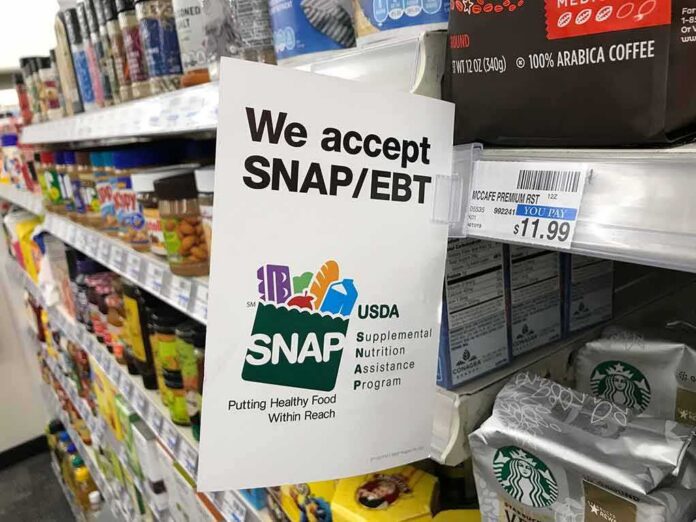
New York City Mayor Zohran Mamdani is pushing a plan to open five city-owned grocery stores, one in each borough, and sell a “core basket” of food about 30 percent cheaper than regular stores. The discount covers basics like produce, meat, milk, cheese, and bread, with the city fronting costs like rent and property taxes for private operators that run the stores day to day. Supporters call it a lifeline for families squeezed by high grocery bills. Critics see a costly new entitlement.
The stores will not be simple corner markets with sale tags. Mamdani and city officials describe a structured program, with the city setting price rules and standards while private partners handle operations. The plan limits profit-making items and focuses on staples, which means tax dollars plug the gap between the lower shelf price and the real cost of stocking food. That design makes the project feel less like normal retail and more like a government benefit, even if everyone can walk inside.
“For New Yorkers” or for anyone who shows up
From the start, Mamdani framed his grocery idea as a way “for New Yorkers” to put food on the table, not a chance for hustlers to buy low and resell high. City economic officials echoed that language, saying the request for proposals sought operators who would “target New Yorkers” and keep the discount focused on local residents. Those words matter. Once a benefit is meant for a special group, people expect some gate at the door, whether it is ID, proof of address, or some kind of membership card.
Early talk of that gate came from Mamdani’s own camp. In public discussions, they floated a “library card-esque” system to manage who was buying and to keep people from gaming the subsidy through large resale. Commentators took that phrase and ran with it, arguing that if you need a city-style card tied to your information, then you are a step away from showing formal ID every time you want cheaper eggs and bread. That jump fed a fast-growing storyline: socialist ration shops that check your papers while claiming to be against voter ID.
The ID firestorm and the official denial
Conservative media, online channels, and even President Trump seized on the idea that Mamdani wanted New Yorkers to show ID to enter government-run grocery stores while fighting ID requirements at the ballot box. Clips repeated the claim that you would need identification for food but not to vote, casting the policy as a case study in double standards and soft-on-illegal-immigration politics. The narrative was simple enough to spread: your taxes pay for the discount, yet the city allegedly refuses to draw a clear line between citizens, legal residents, and illegal immigrants.
Mamdani’s team pushed back hard. The mayor’s office released statements saying the stores “will be open to everyone” and that “no one will be asked to show ID to shop,” stressing there would be no system to check identity, residency, or income at checkout. Reporting on the city’s request for proposals backed that claim, quoting language that called for a “voluntary free-to-access membership card” that could never be required for physical entry and must be easy for anyone to obtain. Officials said the card’s purpose was to track inventory and prevent bulk resale, not to weed out shoppers.
Where conservative skepticism still has teeth
Americans who lean right tend to accept two simple rules: if taxpayers fund a benefit, then someone should guard it; and if leaders say one thing today and another tomorrow, they get extra scrutiny. Those instincts are triggered here. The same city that promised to “target New Yorkers” now says everyone, including visitors and illegal immigrants, can shop without any proof of who they are or where they live. That clash between targeted language and open access invites fair questions about who really enjoys the subsidy.
New York’s communist mayor Zohran Mamdani is about to open city-owned grocery stores with 30% discounts on food…
And they will NOT require ID.⁰
No residency check.⁰
No proof you even live in New York.Anyone can walk in and take the taxpayer funded groceries.
Illegals,…
— Joey Mannarino (@JoeyMannarino) August 4, 2026
The lack of clear, published operating rules also keeps doubts alive. While officials quote friendly lines from the request for proposals, critics still have not seen the full contract, training materials for cashiers, or the detailed playbook for how fraud will be handled on the ground. Without those documents, conservative voters are asked to take on faith that no quiet ID checks, residency screens, or soft quotas will appear later in the name of preventing “abuse.” Common sense says promises are weaker than procedures, and procedures live in small print.
The bigger question: should City Hall run your grocery aisle
The fight over IDs and eligibility sits on top of a deeper debate about government-owned stores. Public grocery experiments around the world have struggled with the same core issues: real savings depend on scale, smart buying, and logistics, not just good intentions and subsidy dollars. Analysts warn that city-run chains can crowd out private grocers, reduce competition, and leave taxpayers on the hook when costs outrun budgets. History shows many such ventures fail once politics and bureaucracy pile on to the simple job of stocking shelves.
Supporters argue that private chains have abused their power, especially in poor neighborhoods, and that public options can force prices down. But even that case works best when rules are clear and fair. If City Hall treats groceries as a political prize, tweaked for favored groups and spun on social media, trust evaporates fast. The Mamdani plan now sits at that crossroads. The food may be cheaper, at least for a while. The real test is whether the city can resist the urge to turn the checkout line into a battlefield over identity, ideology, and who counts as a “real” New Yorker.
Sources:
nypost.com, youtube.com, apnews.com, npr.org, theguardian.com, reason.com, foxnews.com, nyc.gov, aol.com, thepostmillennial.com, wabcradio.com, openmarketsinstitute.org, finklerfunds.com, cdn.vanderbilt.edu, inequality.org, economicsecurityproject.org, policyalternatives.ca
© targetdailynews.com 2026. All rights reserved.