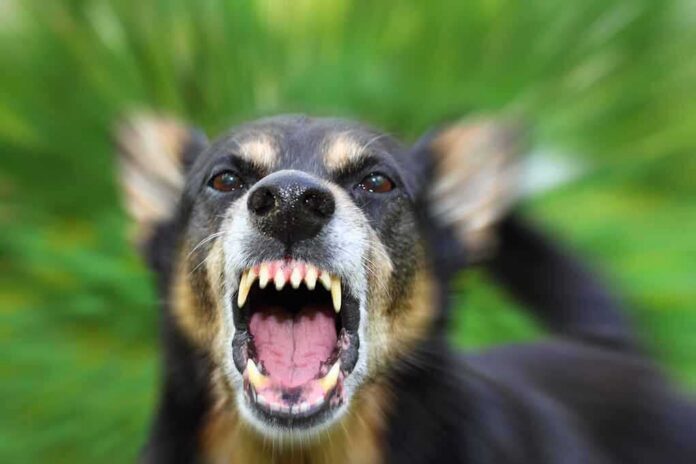
A startup backed by the cofounder of Anduril just raised $200 million to genetically engineer and clone dogs for the military.
Quick Take
- Warhound, a joint venture between Colossal Biosciences and Anduril, launched with $200 million in seed funding to build genetically enhanced military working dogs.
- The plan combines gene editing, cloning of proven service dogs, disease screening, body armor, and integration with Anduril’s Eagle Eye targeting system.
- No engineered dogs exist yet; the company expects its first puppies around early 2027.
- Palmer Luckey and Ben Lamm, known for cloning dire wolves, lead the venture, drawing both excitement and scrutiny.
What Warhound Actually Announced
Warhound emerged from stealth mode as a partnership pairing Colossal Biosciences’ gene-editing and cloning know-how with Anduril’s defense technology. The company secured $200 million in seed funding, a massive bet on turning military dogs into engineered assets rather than just trained animals. This is not a vague pitch deck. It’s a funded company with named founders, a stated mission, and a timeline.
The goal is building dogs for jobs too dangerous for people and too tricky for machines. That means bomb detection, building searches, and search-and-rescue work after disasters. These are the same missions military and police dogs already handle. Warhound wants to make the dogs better at doing them, with sharper senses, tougher bodies, and fewer health problems that end careers early.
Picking the Best and Cloning Them
Instead of starting from scratch, Warhound plans to find dogs that already proved themselves through training. The company will biobank genetic material from top performers and clone those animals. Fast Company reported Warhound has been collecting blood samples from high-performing military, police, and first-responder dogs across the country. The theory is simple: breed from the best, don’t gamble on the untested.
Fortune reported a more specific health goal beyond raw strength. Warhound intends to screen out gene variants tied to muscle degeneration and other inherited diseases. The idea is that no dog enters service carrying genetic markers linked to the conditions that typically force working dogs into early retirement. That’s a narrower, more testable promise than simply claiming “stronger, faster dogs.”
Gear, Armor, and a Digital Nervous System
Warhound isn’t stopping at biology. The plan includes eye and ear protection, body armor, and a direct link to Anduril’s Eagle Eye system, the same network tying together drones, sensors, and human operators on modern battlefields. The stated aim is for dog, handler, and autonomous systems to function as a single coordinated unit, not three separate pieces working in isolation.
Why Military Dog Programs Need Fixing
This push isn’t happening in a vacuum. Pentagon research has flagged genetics, kenneling conditions, work schedules, and breed traits as interacting factors that determine whether a working dog succeeds or washes out. A long-running study of 268 discharged military dogs found that many leave service for medical, behavioral, or performance reasons even after passing rigorous screening before purchase. The pipeline has real, documented leaks.
South Korea has already cloned elite detection dogs, including quarantine and explosives dogs used by its police and military, giving Warhound’s approach a working precedent rather than pure science fiction. The Pentagon’s own strategic research plan calls for breeding, selection, and enhancement methods grounded in genetics and evidence. Warhound is proposing to push that same logic further, from selection into editing and cloning.
What Hasn’t Happened Yet
None of the engineered dogs exist today. Reports place the first puppies around early 2027, roughly two years out, which makes this an intention and a funded plan, not a delivered product. Ben Lamm himself has acknowledged that training and environment will always shape a dog’s performance, meaning cloning alone won’t guarantee a repeat of any individual dog’s success. That’s a reasonable, honest caveat from the company’s own leadership.
Genetically engineered war dogs?
Warhound raised $200M to develop enhanced military dogs.
Should we genetically modify animals for warfare—or prioritize robotic alternatives?
I explore the ethical and dual-use risks in my latest NOTE article (Japanese).
— Iwao Nozawa (@rnozaw) October 25, 2026
Whether the Pentagon, police departments, or emergency agencies ever adopt these dogs remains an open question the company itself hasn’t answered publicly. What’s clear is the ambition: take decades of working-dog science and compress it into genetics, not just training. For a country that relies on dogs to find bombs, track criminals, and save lives after disasters, that’s a goal worth watching closely as it moves from announcement to actual results.
Sources:
wsj.com, dallasnews.com, scientificamerican.com, theverge.com, finance.yahoo.com
© targetdailynews.com 2026. All rights reserved.