President Trump’s military strikes against Venezuelan drug boats mark a decisive escalation in the war on narcotics, sending a clear message that America will no longer tolerate criminal organizations poisoning our communities with deadly drugs.
Story Highlights
- Trump announces third successful strike against Venezuelan drug-running vessels operated by Tren de Aragua gang
- U.S. Navy kills 14 suspected traffickers across multiple operations targeting narcotics bound for American streets
- Military deploys F-35 fighters to Puerto Rico as Venezuela responds with threatening flyovers of U.S. warships
- Administration demonstrates strong action against criminal organizations while Venezuela denies incidents occurred
Trump Administration Takes Direct Action Against Drug Trafficking
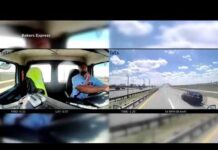
President Trump revealed September 2 that U.S. Navy forces successfully destroyed a third Venezuelan speedboat allegedly carrying narcotics toward American shores. The strike killed all 11 suspected Tren de Aragua gang members aboard the vessel off Venezuela’s coast. Trump released video footage of the operation, emphasizing his administration’s commitment to protecting Americans from deadly drugs flooding across our borders through sophisticated trafficking networks.
The September 1 strike represents the latest phase of intensified anti-narcotics operations targeting the Tren de Aragua organization, designated as a narco-terrorist group. Defense officials confirmed the vessel originated from Venezuela’s Paria Peninsula, a known departure point for drug smuggling routes. The administration’s approach demonstrates a significant shift from previous interdiction policies, moving from detention and seizure to direct military action against suspected traffickers threatening national security.
Military Escalation Follows Venezuelan Provocations
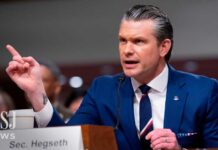
Venezuelan F-16 fighter jets conducted provocative flyovers of U.S. warships on September 4, prompting Trump to authorize defensive measures and deploy F-35 fighters to Puerto Rico. The escalation continued with high-level military leadership visiting Puerto Rico September 8, underscoring the seriousness of operations. Secretary of Defense Pete Hegseth and other officials emphasized America’s readiness to defend against any threats while maintaining aggressive anti-trafficking patrols throughout the Caribbean region.
A second strike September 15 killed three additional suspected traffickers, bringing the total casualties to 14 across multiple operations. The administration’s swift response to Venezuelan military provocations demonstrates resolve in protecting American interests while prosecuting the war on drugs. This coordinated approach combines immediate tactical strikes with strategic military positioning to deter future criminal activities and hostile government interference with legitimate security operations.
Venezuela Disputes Incidents While Local Communities Confirm Deaths
The Maduro regime denied the strikes occurred, claiming video evidence was fabricated and accusing the U.S. of illegal military actions. Venezuelan Foreign Minister Yván Gil denounced the operations as violations of sovereignty, demanding international intervention. However, local residents in affected Venezuelan communities publicly mourned the deceased through social media tributes, confirming casualties and contradicting their government’s official denials of the incidents.
Legal scholars and security analysts debate the precedent set by direct military action against suspected traffickers in international waters. The administration justifies operations as necessary national security measures against organizations threatening American lives through drug trafficking. This approach prioritizes protecting American communities over diplomatic sensitivities, reflecting campaign promises to take decisive action against criminal networks exploiting weak enforcement policies that previously allowed traffickers to operate with impunity.
Sources:
2025 United States strike on Venezuelan boat