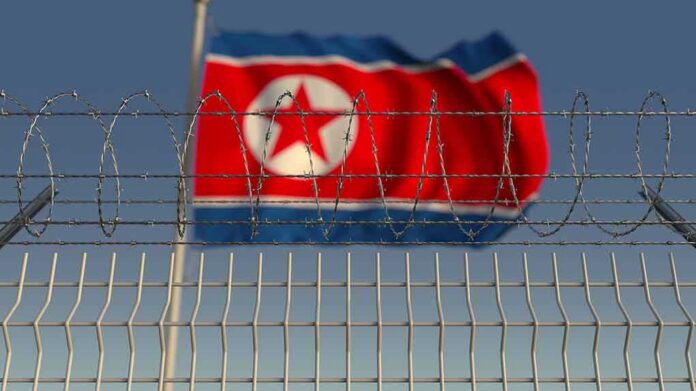
Ukraine says it quietly moved two captured North Korean soldiers to South Korea, and that single act rewired three separate conflicts at once.
Story Snapshot
- Zelenskyy said two North Korean prisoners of war were sent to South Korea.
- The men were captured in Russia’s Kursk region in January 2025, reports say.
- Seoul did not deny the transfer and said it consulted partners under law.
- A South Korean lawmaker said the men arrived after a third-country transit.
What Zelenskyy Said, And Why It Landed With Force
President Volodymyr Zelenskyy told the United Nations that Ukraine sent two North Korean prisoners of war to the Republic of Korea. That short line carried heavy weight because it tied North Korea to Russia’s war while showing Ukraine as a rules-following state. Major outlets reported the claim, and several noted there were only two known North Korean prisoners of war in Ukraine, which makes the event specific and checkable. One of the men tried to kill himself upon capture, but survived, Zelenskyy said.
South Korean officials avoided a direct yes, but they did not deny the transfer. Seoul said it held talks with Ukraine and others and would act by the men’s free will and international law. That stance matches how South Korea has handled sensitive North Korea cases for decades: say little, move carefully, and protect people who may face harm if sent back. For readers who track patterns, that silence-with-signals approach usually means the core event happened.
How Two POWs Became A Three-Capital Story
Ukraine captured the two men in early 2025 during operations inside Russia’s Kursk region, according to multiple reports. That detail matters because it ties North Korea’s footprint to Russia’s side of the fight, not Ukraine’s. It also explains why Kyiv would highlight the case at the United Nations: it spotlights Moscow’s reliance on outside fighters and puts pressure on Pyongyang’s denials without Ukraine needing to show more than custody and transfer.
In Seoul, the case tugs on unique legal threads. South Korea’s government often treats North Koreans as its nationals under its constitution, which shapes how arrivals are screened, sheltered, and, later, integrated or held. A South Korean opposition lawmaker said the two men left Ukraine, passed through a third country, and reached South Korea days before the public remarks. That timeline fits how sensitive transfers usually run: quiet travel, then careful words.
The Law: What Can Be Moved, And When
The Third Geneva Convention allows transfer of prisoners of war to another state if that state is willing and able to apply the same protections. That is the test lawyers watch. South Korea is a treaty party and runs structured intake, medical checks, and debriefs for sensitive cases. Ukraine has stressed prisoner protections in public and likely leaned on those rules to justify the movement. When states follow the book, they do not need to overshare paperwork to be within the law.
Critics might ask where the photos, names, or chain-of-custody logs are. Those records often stay sealed to protect families, avoid retaliation, and honor medical privacy. The lack of released identity data does not break the claim; it signals care around human risk and ongoing intelligence value. For conservatives who prize order and duty, this looks like a rare case of wartime discipline beating the urge to grandstand: secure the men, follow the rules, move them, then keep quiet on the details.
Signals That Matter More Than Noise
Three signals are strongest. First, Zelenskyy said it on the world’s biggest stage, which he would not do lightly. Second, multiple outlets with access in Seoul report the government did not deny the transfer and pointed to consultations and law. That is the diplomatic nod that counts in Asia’s cautious style. Third, a named South Korean lawmaker described the route and arrival window, which gives a checkable path for future confirmation.
Ukraine sent two North Korean POWs to South Korea, Zelenskyy says
UN address: soldiers captured in Kursk in 2025 wanted to resettle; Seoul does not deny the transfer and cites humanitarian talks.
— EJPH News (@ejphnews) September 24, 2026
The bigger read is simple. Ukraine turned two prisoners into a strategic message: Russia leans on North Korea, and Ukraine plays by the rules. South Korea got two men who, by its lights, may have a claim to protection. North Korea loses a narrative battle without a shot fired. The story is not over; formal details could surface in court records or assembly minutes. But for now, watch what governments do, not what they avoid saying. The moves line up with the facts on the board.
Sources:
aljazeera.com, globalbankingandfinance.com, nytimes.com, biz.chosun.com, biz.heraldcorp.com, 2news.com, koreatimes.co.kr, pravda.com.ua
© targetdailynews.com 2026. All rights reserved.