Amazon’s record-sized $40 million Melania deal shows how proximity to the Oval Office can turn into prime entertainment money.
Story Snapshot
- Amazon reportedly paid $40 million for Melania Trump film rights, plus a huge ad blitz.
- Financial disclosures list at least $10.7 million to Melania from the licensing fee.
- Democrats pressed Amazon on whether the price was influence-buying; Amazon denies it.
- Ethics experts say this is legal for a first family but tests long-held norms.
How A First Lady Became A Big-Ticket Content Deal
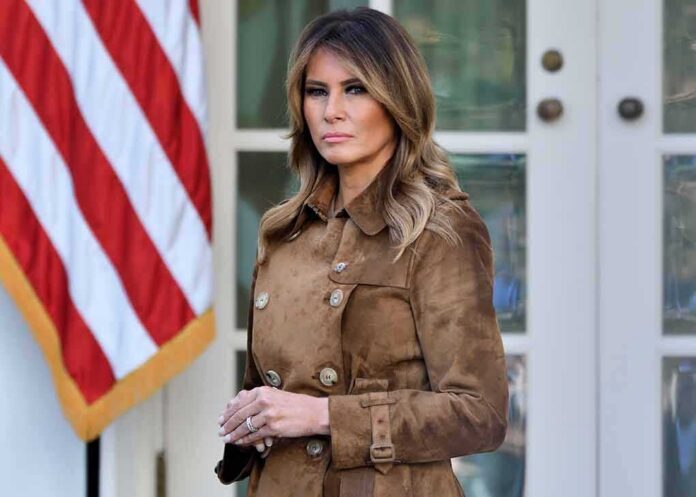
Amazon MGM Studios paid top-dollar to license “Melania,” a feature about the First Lady, in a deal widely reported at $40 million. The company also poured about $35 million into marketing, a blockbuster push for a documentary, with money splashed on giant venues and national ads. The package includes a related docuseries set for later release, which helps explain the size. But the round number and timing during a White House term made the figure stand out to media and watchdogs.
Federal filings later showed a $10.7 million licensing payment counted as Melania’s income for 2025, anchoring at least part of the windfall in official records. Reports vary on how much more she may receive from add-ons or later tranches, but the public number alone exceeds what many full studio films net for a single participant. That is the larger point: the price signals how media giants value exclusive access to power and brand heat, even in nonfiction.
Amazon’s Defense And The Competitive-Bid Story
Amazon says it licensed the film because customers would like it, period. The company’s public-policy lead described a “thorough and competitive” bidding process and framed the pick as about access, story, and cultural relevance, not politics. Melania’s adviser Marc Beckman said he negotiated the $40 million deal, pointing to Amazon’s team, global theaters, the docuseries, and a huge marketing promise as key factors, not White House links. That is a coherent business case, especially for a personality-driven doc.
President Trump denied involvement in the negotiations, saying the deal was done by his wife. That response matches Amazon’s message: a hard-nosed content buy, not a political favor. The conservative read here is straightforward. A private company can bet big on a hot property. If shareholders do not like the return, they can vote with their feet. The marketplace, not Washington, should pick winners and losers.
Why Critics See An “Appearance” Problem
Democrats in Congress asked whether the above-market price and massive ad spend edge toward influence-buying, since Amazon often seeks favorable treatment from the administration. Ethics scholars add that past presidents tried to avoid even the appearance of private profit tied to public power. They cite examples from Harry Truman to George W. Bush as a norm line many Americans still respect. The critique does not claim clear illegality. It says the optics corrode trust by normalizing personal monetization in office.
That charge is hard to dismiss on perception alone. Forty million dollars for a documentary package is unusual. A marketing budget near studio-tentpole levels is even rarer for nonfiction. The best rejoinder is disclosure and distance: document the payments, show arms-length process, keep official events free of sales pitches. Even then, skeptics will ask if any private partner can truly separate access from value when the subject lives at 1600 Pennsylvania Avenue.
The Stakes For Voters And Viewers
Americans do not need a law textbook to spot the line between “legal” and “wise.” Current rules give wide latitude to a sitting president and family on income and business ties, which is why filings can reveal eye-popping sums without triggering penalties. That gap puts the burden on judgment. One path leans on common-sense restraint to protect the office. The other leans on transparency and competition to let the market decide. Voters get the last word on which standard they prefer.
What This Means For Future First Families
This deal will be the new benchmark. Media buyers now know that political celebrity can command blockbuster nonfiction prices. Future first families will face louder pitches and larger checks. If Congress tightens rules, deals may shift to the edges: pre-sales signed before inaugurations or payouts pushed past terms. If Congress does nothing, the culture will set the guardrails. Audiences can reward the work—or punish it—based on story, not status.
Bottom Line
Amazon took a giant swing because Melania Trump is a rare lens into power, and power sells. The paper trail shows real money, real marketing, and real questions about standards that once kept private gain at arm’s length. No court needs to weigh in for citizens to judge the tradeoffs. If you think the White House is a public trust, you will want higher bars. If you think the market is the best filter, you will say roll the cameras and let viewers decide.
Sources:
feedpress.me, nytimes.com, theguardian.com, nypost.com, rawstory.com, easternherald.com, washingtontimes.com, ibtimes.co.uk
© targetdailynews.com 2026. All rights reserved.