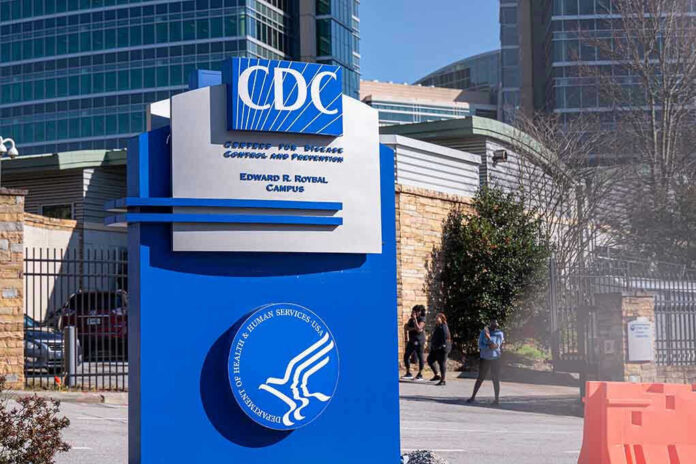
Robert F. Kennedy Jr.’s abrupt firing of CDC director Susan Monarez has ignited an unprecedented revolt inside the nation’s health agencies, leaving federal leadership in crisis as vaccine policy faces fierce scrutiny.
Story Snapshot
- Over 1,000 HHS employees demand Kennedy’s resignation after ousting CDC director Monarez.
- Mass resignations and protests erupt within CDC and HHS leadership.
- Medical organizations condemn Kennedy’s approach to vaccines and public health messaging.
- Experts warn agency credibility and outbreak response are at risk.
Unprecedented Backlash Follows Kennedy’s Removal of CDC Director
On August 27, 2025, HHS Secretary Robert F. Kennedy Jr. fired CDC director Susan Monarez, who was appointed by President Trump with hopes of revitalizing the agency. Kennedy cited “malaise” at the CDC and openly questioned its vaccine priorities, a move that instantly triggered mass resignations among top leadership. More than 1,000 HHS employees signed a public letter demanding Kennedy resign, while major medical organizations including Doctors for America and the American Public Health Association joined the chorus of critics warning that Kennedy’s controversial stance undermines evidence-based public health policy.
Kennedy’s removal of Monarez has amplified an already tense environment as the nation grapples with a measles outbreak and confusion over COVID vaccine guidance. Medical and scientific communities have long been skeptical of Kennedy’s appointment given his history of questioning vaccine safety and efficacy. His latest actions have fueled unprecedented internal dissent, with career public health professionals directly challenging his authority and credibility. The CDC, a cornerstone of America’s health infrastructure, now faces uncertainty in leadership and operations as protests and resignations mount.
Stakeholder Tensions and Agency Crisis Intensify
The fallout from Kennedy’s decision has exposed deep divisions between political leadership and career staff within the CDC and HHS. Kennedy maintains executive authority but is now facing a full-scale internal revolt, with staff and medical organizations united in their demand for his removal. President Trump’s original expectations for CDC reform are now overshadowed by the agency’s turmoil. The mass resignation of CDC officials, coupled with external advocacy from respected health organizations, highlights a significant shift in power dynamics and threatens to erode the scientific foundation of federal health policy.
Medical organizations assert that Kennedy’s actions have compromised public health standards, citing his promotion of health misinformation as grounds for removal. Nine former CDC directors have issued a dire warning that Kennedy’s leadership is endangering Americans’ health and undermining the effectiveness of the agency. This level of coordinated protest from within the federal health apparatus is unprecedented, raising alarms about the future of evidence-based policy and the operational capacity of the CDC during critical outbreaks.
Operational and Public Health Impacts: Short and Long-Term Risks
The immediate disruption to CDC leadership and operations has resulted in confusion and diminished trust in vaccine guidance, with potential delays in outbreak response threatening public safety. As pharmacies and healthcare providers struggle with unclear CDC directives, some state health departments have begun taking independent action to ensure continued vaccine access for their communities. The broader impacts extend to economic consequences—rising healthcare costs due to preventable outbreaks—as well as heightened social polarization over public health policy.
More than 1,000 HHS workers demand Kennedy resignation over CDC director firing and agency changes https://t.co/zBItCCzycp
— supermanny (@supermanny8) September 3, 2025
In the long term, experts warn of an erosion of scientific credibility within HHS and CDC, increased vaccine hesitancy, and a risk of further preventable disease outbreaks. The controversy has intensified the national debate over federal health leadership, agency independence, and the politicization of health policy. As Kennedy continues to defend his actions and promote a reformist agenda, staff opposition and external criticism grow, leaving his position increasingly untenable and the future of public health leadership uncertain.
Sources:
Doctors for America statement: RFK Jr. resignation
STAT News: RFK Jr. defends firing CDC director Susan Monarez
CIDRAP: Nine former CDC directors issue dire warning over Kennedy actions
ABC News: Former CDC directors: RFK Jr. endangering Americans’ health
Healthcare Dive: HHS staff ask RFK Jr. Kennedy resign CDC Monarez