Susan Sarandon left the protest in handcuffs, and the fight over where free speech ends and street control begins took center stage.
Story Snapshot
- New York City police detained Susan Sarandon and others outside the United Nations during a protest against U.S. arms for Israel.
- Police said protesters blocked First Avenue and were warned before arrests were made.
- The protest coincided with Israeli Prime Minister Benjamin Netanyahu’s speech to the United Nations General Assembly.
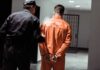
- Photos and video showed Sarandon in cuffs as officers cleared the roadway.
What happened on the curb outside the United Nations
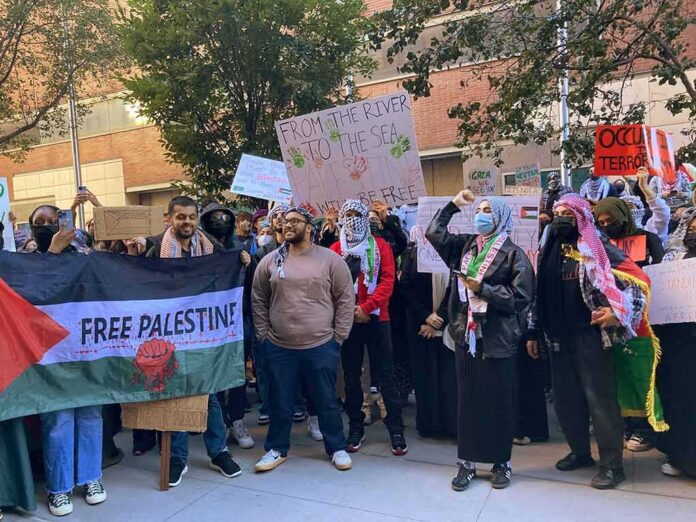
New York City police detained dozens of protesters near the United Nations as Israeli Prime Minister Benjamin Netanyahu prepared to speak to the General Assembly. Among them were actor Susan Sarandon and comedian Hannah Einbinder. Photos show Sarandon in handcuffs as officers escorted her away. The crowd gathered to oppose U.S. weapons to Israel and to confront Netanyahu’s appearance. The scene unfolded on First Avenue, where demonstrators sat and blocked traffic as the motorcades and media swirled.
The New York City Police Department said officers warned people they would face arrest if they stayed in the roadway. Police described the event and the arrests as peaceful and said those detained would receive summonses and be released. A department spokesperson stated that officers went person by person to confirm whether individuals wished to be arrested and noted the protest was not scheduled with police ahead of time.
Why the message and the method collided
Protesters aimed their message at U.S. support for Israel’s war, and they chose a high-visibility moment to deliver it. Civil disobedience, like sitting in the street, brought cameras and urgency. That same tactic triggered enforcement once traffic stopped moving. This tradeoff is common in modern protest politics. Organizers weigh attention against likely arrest, while police treat blocked streets as the line that forces action, especially around dignitary movements and security zones.
Images of Sarandon in custody guaranteed national attention. Newsrooms ran the photos, and video rolled across social platforms. That spotlight served the protesters’ goal to frame the day as a free-speech stand against war funding. Police accounts framed it as a routine response to a traffic obstruction. Both stories can be true at once: speech on the sidewalk, summonses when the curb becomes a lane, and a viral moment that each side uses to rally its base.
What the law allows, and what common sense expects
The First Amendment protects speech, assembly, and petition. It does not grant a right to block traffic at will. Cities can set time, place, and manner rules that are content-neutral and tied to safety. That is the governing standard in New York and across the country. Courts have long upheld police directives to clear streets when security, emergency access, or essential movement is at risk. Peaceful arrest for civil disobedience is a known, often planned, outcome of such protests.
Actress Susan Sarandon and "Hacks" star Hannah Einbinder were among several celebrities detained by police outside United Nations headquarters in New York during a protest. Authorities have not released the total number of arrests or specific charges.
— LetMeKnow News (@LetMeKnowNews1) September 25, 2026
American conservative values hold two ideas in tension here. Free speech must be broad and strong. Public order must be firm and fair. The police account aligns with that mix: warnings first, options to disperse, then summons-level arrests for those who chose to stay in the lane. That approach respects speech while enforcing the line at the curb. It is the kind of clear boundary that most New Yorkers, who live with motorcades and gridlock, understand on a gut level.
What comes next and what to watch
Most detainees will likely face low-level charges or summonses and quickly move on. Organizers will claim a win because the message reached the evening news and flooded feeds. The city will point to minimal force and orderly clearances near a sensitive venue. The larger fight will continue at the same two fronts: Congress over weapons policy, and the streets over who sets the terms of dissent on high-profile days. Expect more demonstrations at big diplomatic moments.
Voters should keep an eye on two tests. First, are rules applied evenly, no matter the cause or celebrity? Second, do police keep warnings clear and exits open before the cuffs come out? When those standards hold, the system respects speech and order at once. When they slip, both sides harden, and arrests turn into lawsuits instead of footnotes. Thursday’s images burned bright; the real measure is whether tomorrow’s playbook stays even and calm.
Sources:
youtube.com, rmb.reuters.com, reuters.com, yahoo.com, ibtimes.co.uk, timesofindia.indiatimes.com
© targetdailynews.com 2026. All rights reserved.