A wooden icon of American grit briefly turned into a burning warning about how far cities now push spectacle before safety blinks.
Story Snapshot
- Malfunctioning fireworks briefly set part of the Brooklyn Bridge on fire during Macy’s 4th of July show.
- Dueling displays over the East River and Hudson created a complex, high-risk scene for first responders.
- Strict street closures and ticketed viewing at Brooklyn Bridge Park aimed to control crowds but raised new questions.
- The blaze was quickly put out, yet officials offer almost no detail on how close things came to real disaster.
How a celebration turned the Brooklyn Bridge into a caution sign
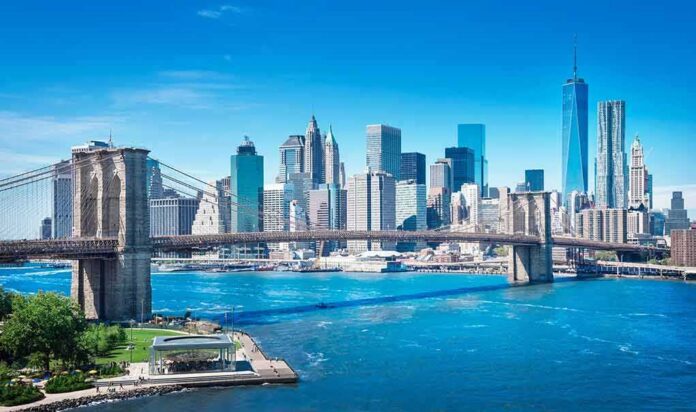
On America’s 250th birthday, the Brooklyn Bridge was supposed to be a backdrop, not part of the show. Macy’s fireworks were set to launch from barges on the East River and Hudson River, showering light across one of the country’s most famous pieces of infrastructure. Then a burst went where it should not. Video from the Associated Press shows flames and smoke rising from the bridge after a reported malfunction sent pyrotechnics into the wooden promenade instead of the sky.
Fire crews moved in fast and knocked down what one outlet brushed off as a “rubbish fire.” That label makes the scene sound minor. It was not. The bridge still carried thousands of people nearby and sat under two active fireworks displays. You do not need a vivid imagination to picture a different headline if wind, debris, or a delayed response had gone the other way. The fact that the outcome was good does not mean the setup was smart.
The dueling fireworks problem nobody really answers
Media reports describe “dueling” fireworks shows firing over both the Hudson River and East River while the Brooklyn Bridge itself framed part of the Macy’s display. That may sound romantic on television. In practice, it means more launch sites, more angles for malfunction, and more chances for sparks to land where only steel and stone belong. The Associated Press report ties the bridge fire to a malfunction in this overlapping display environment, though it stops short of naming a single point of failure.
From a common-sense conservative view, this is what happens when city leaders chase bigger, “national TV” moments without drawing a hard line on risk. One well-run show is celebration. Two “dueling” ones, firing near critical infrastructure and dense crowds, edges toward stunt. The country has seen this pattern before: officials talk coordination and planning, then act surprised when complexity turns into chaos. On July 4th, New York was lucky the chaos on the bridge stayed small.
Tickets, closures, and the illusion of control
City Hall did not wing the logistics on paper. New York City posted formal street-closure plans that shut the Brooklyn Bridge roadway at 8 a.m. on July 4, hours before the first shell went up. Brooklyn Bridge Park used a lottery ticket system to limit and organize the crowd for the Macy’s show, with fireworks scheduled to start around 9:25 p.m. at the bridge, East River, and Hudson River. It all sounds neat: closures, tickets, fixed launch times, all the right buzzwords about safety and planning.
The reality on the ground was messier even before the bridge caught fire. Coverage of the park event describes tens of thousands of ticket holders calling the July 4 fireworks viewing a “total fiasco,” with many never reaching the piers and security and bag checks breaking down under the crush. Separate live streams from the area show New York Police Department officers giving conflicting information about start times and possible delays as weather worsened. That kind of mixed message hints at a command system stressed before the first emergency call even went out.
First responders did their job, but leaders stay quiet
Here is the part that deserves clear praise. When something went wrong, fire crews did exactly what Americans expect of them. They got to the bridge, put water on the flames, and ended the threat before it became a mass-casualty story. No serious injuries at the Macy’s show were reported citywide, despite the fire and the crowd problems. On the street level, that looks a lot like a win for old-school duty over big-show risk.
The Brooklyn Bridge Briefly Catches Fire During a Fireworks Display – The New York Times https://t.co/0WF7X71UV8
— Thomas Payne (@TPayneCommon) July 5, 2026
Yet for all the talk of “managed” success, officials have released almost nothing about how close the bridge incident came to real disaster. There is no public Fire Department of New York incident report detailing response times, crew actions, or how far the fire spread before control. No mayoral briefing lays out lessons or changes for 2027. Instead, national outlets frame the event as a “malfunction” of dueling shows, while short clips wave it away as a small rubbish blaze. That spin comforts television viewers but does little for trust.
What this says about risk, spectacle, and priorities
Across the country, fireworks injuries and fires rise around Independence Day, year after year. The National Fire Protection Association reports tens of thousands of fires started by pyrotechnics in 2023 alone, causing deaths, injuries, and millions in damage. New York’s bridge fire fits that pattern. The difference here is not the spark but the setting: a historic bridge, a national broadcast, and a city already straining to manage huge crowds and severe weather rumors all at once.
For many readers, this is the simple question: who is the celebration really for? When crowd control fails, messaging breaks down, and dueling fireworks set a landmark on fire, but the show goes on because the cameras are rolling, it is hard to ignore the money and politics behind it all. From a conservative, common-sense angle, the right lesson is not “ban fireworks.” It is “tell the truth, publish the reports, and stop pretending bigger always means better.” The Brooklyn Bridge did not burn down. That should not be the bar.
Sources:
youtube.com, brooklynbridgeparents.com, lake.com, apnews.com, brooklynbridgepark.org, aol.com
© targetdailynews.com 2026. All rights reserved.