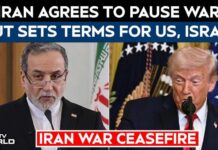
President Trump has threatened to launch a criminal investigation into CNN over its coverage of a fragile Iranian ceasefire, transforming what should have been a diplomatic victory announcement into a full-scale media war.
Story Snapshot
- Trump announced a two-week ceasefire with Iran contingent on reopening the Strait of Hormuz, a waterway controlling 20% of global oil supply
- FCC Chairman Brendan Carr demanded CNN face “accountability” for allegedly fraudulent ceasefire reporting, escalating regulatory threats against the network
- Iran publicly claimed victory in the ceasefire deal, creating conflicting narratives that Trump blamed CNN for amplifying
- No formal investigation has been filed despite sensational headlines, with the conflict remaining at the threat stage
- The clash represents another chapter in Trump’s longstanding feud with CNN and raises questions about press freedom versus government accountability
When Geopolitics Meets the Press Room
Trump secured what the White House characterized as a significant diplomatic breakthrough on Tuesday: a two-week ceasefire agreement with Iran, backed by Israel, tied directly to Iranian cooperation in reopening the Strait of Hormuz. The strategic waterway, critical for global energy markets, has been a flashpoint since the 1979 Iranian Revolution. Yet within moments of the announcement, the focus shifted from Middle East diplomacy to accusations of media malfeasance. Trump targeted CNN specifically for what he termed fraudulent coverage, claiming the network misrepresented the ceasefire terms by emphasizing Iranian claims of victory.
The speed of Trump’s pivot was remarkable even by his standards. FCC Chairman Brendan Carr amplified the president’s message, publicly demanding the network face consequences for its Iran coverage. This coordinated executive-regulatory pressure created immediate uncertainty for broadcasters navigating how to report competing claims from adversarial nations. CNN found itself in familiar territory, accused of bias during a national security crisis, but this time facing potential regulatory action rather than mere presidential tweets.
The Accountability Question Nobody Wants to Answer
The core dispute centers on journalistic fundamentals: when Iran proclaims victory in a ceasefire its adversary also claims, how should networks report that contradiction? CNN’s coverage apparently highlighted Iranian statements alongside White House confirmations, a standard practice that Trump characterized as pushing fraudulent information. The accusation raises uncomfortable questions about whether reporting enemy propaganda, even with attribution, constitutes complicity. Previous administrations navigated similar tensions without threatening criminal investigations, relying instead on press secretaries to dispute coverage they deemed misleading.
Carr’s involvement signals a concerning shift in how media regulation intersects with executive preferences. The FCC traditionally handles technical broadcasting standards and license renewals, not content disputes over foreign policy coverage. His willingness to publicly align with Trump’s accusations suggests regulatory tools could become weapons in political battles over narrative control. For viewers split along partisan lines regarding media trustworthiness, this fight either represents overdue accountability for biased networks or a dangerous precedent threatening press independence. The factual reality sits somewhere between those poles, as it often does.
What Criminal Investigation Actually Means Here
Despite explosive headlines claiming Trump launched a criminal probe, no evidence of formal proceedings has emerged. The president and his FCC chairman issued threats and demands for accountability, but actual investigative filings remain absent from public records. This gap between rhetoric and action matters significantly. Trump’s history of media feuds, stretching throughout his first term with “fake news” accusations and broadcaster license threats, rarely materialized into concrete legal action. The pattern suggests strategic messaging intended to pressure coverage rather than genuine pursuit of criminal charges against journalists.
The term “CNN World” in initial reports likely refers to CNN International, though the imprecision itself reflects the chaotic rollout of this confrontation. If the administration genuinely believed criminal activity occurred, standard procedure would involve Justice Department referrals and grand jury proceedings, not presidential social media announcements. The absence of those mechanisms indicates this remains political theater, albeit theater with real consequences for how networks calculate risk when covering sensitive diplomatic negotiations. Other broadcasters are certainly watching, potentially self-censoring future foreign policy coverage to avoid similar targeting.
The Broader Stakes Beyond One Network
This confrontation transcends Trump versus CNN, touching fundamental tensions between government power and press freedom during national security crises. The Strait of Hormuz situation carries genuine economic implications, with oil markets monitoring ceasefire stability closely. If networks become hesitant to report adversarial claims for fear of regulatory retaliation, the American public loses access to the full information landscape necessary for informed citizenship. Conversely, if broadcasters face no accountability for amplifying enemy propaganda during delicate negotiations, they become tools of foreign disinformation whether intentionally or not.
The resolution of this standoff will establish precedent for future administrations facing similar dilemmas. Will FCC chairs routinely demand accountability for coverage that contradicts official narratives? Will networks preemptively avoid reporting claims from designated adversaries? The answers matter deeply for maintaining both national security coherence and democratic transparency. Trump’s supporters see overdue pushback against media institutions that consistently oppose his agenda. His critics see authoritarian impulses threatening constitutional protections. The ceasefire itself, the original news event, has been nearly forgotten in the ensuing media war, which perhaps tells us everything we need to know about modern political priorities.
Sources:
The Independent: Trump CNN threat Iran ceasefire