President Trump’s strategic easing of Cuba’s oil blockade yields immediate results as Havana announces pardons for 2,010 prisoners, raising questions on whether real political prisoners are among them.
Story Snapshot
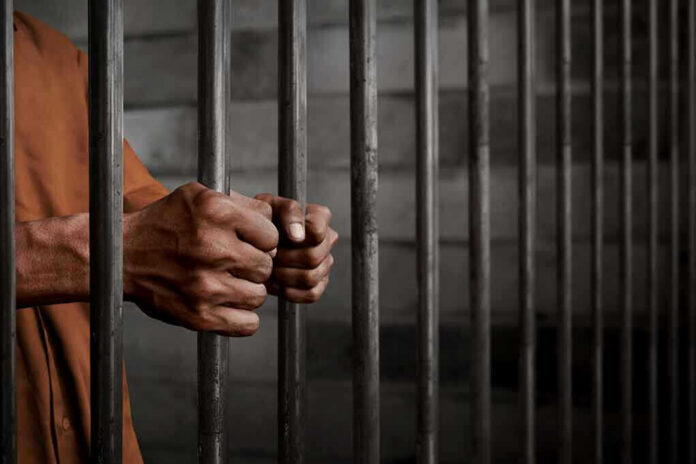
- Cuba pardons 2,010 prisoners on April 2, 2026, framed as Easter humanitarian gesture, excluding serious criminals like murderers and those against authorities.
- Timing follows Trump’s decision days earlier to allow Russian oil tanker delivery, amid US demands for political prisoner releases.
- Fifth such pardon since 2011, totaling over 11,000 releases; no identities or political prisoner details disclosed.
- Russia sends second oil shipment as Cuba faces fuel crisis, highlighting shifting power dynamics without new US wars.
- Prior release of 51 prisoners showed goodwill to Vatican, but core US human rights pressures persist unmet.
Trump’s Oil Concession Precedes Major Pardon Announcement
US President Donald Trump eased a de facto oil blockade on Cuba days before April 2, 2026, permitting a Russian tanker to deliver crude oil to the fuel-starved island. Cuba’s presidency then announced pardons for 2,010 prisoners, targeting young people, women, those over 60, foreigners, and Cubans abroad. Eligible individuals show good conduct, significant sentence time served, and health needs. Releases are set for early implementation within six to twelve months. This move aligns with Holy Week observances in Cuba’s criminal justice tradition.
Cuban Government Excludes Serious Offenders in Sovereign Gesture
The Cuban government specified exclusions for pardons, barring those convicted of murder, sexual assault, drug crimes, theft, illegal livestock slaughter, or offenses against authorities. Officials described the action as a humanitarian and sovereign gesture reflecting the Revolution’s legacy. No prisoner identities were released, leaving uncertainty on political dissidents. Cuba denies holding political prisoners, despite activist reports of over 1,200 such cases as of February 2026. This marks the fifth pardon round since 2011, cumulatively freeing more than 11,000 people.
Historical Precedents and Recent Vatican Ties
Weeks before the announcement, Cuba pledged to free 51 prisoners as goodwill toward the Vatican amid ongoing fuel shortages. This built on four prior Easter-related pardons since 2011. The latest development coincides with Russia confirming a second oil tanker shipment on April 2-3, 2026. These events underscore Cuba’s balancing act between religious traditions, humanitarian optics, and external pressures. For Americans weary of endless foreign entanglements, Trump’s leverage avoids military action while advancing human rights goals.
Power Dynamics: US Leverage Meets Russian Aid
Trump’s administration maintains economic pressure on Havana, demanding political prisoner releases as a longstanding US priority. The oil concession demonstrates targeted diplomacy, contrasting with past globalist overreach. Cuba asserts independence by omitting US influence from its statements, while relying on Russian energy support. This dynamic bolsters Cuba-Russia ties but signals potential de-escalation. Short-term impacts include prison overcrowding relief and family reunifications for vulnerable groups. Long-term, it reinforces pardon precedents amid sanctions.
Cuban society benefits from reduced incarceration for non-serious offenders, with indirect economic stabilization via fuel access. Political implications favor US claims of pressure success, though no broad dissident releases are confirmed. Conservatives applaud avoiding new wars, prioritizing America First by wielding economic tools effectively. Limited details on political prisoners highlight ongoing transparency gaps in Havana’s response.
Sources:
Cuba pardons 2010 prisoners amid United States pressure
Cuba pardons over 2,000 prisoners amid US pressure
Cuba pardons 2,010 people as the US pressures the island’s government