An American journalist’s daylight kidnapping in Baghdad is a blunt reminder that the Middle East can drag U.S. interests into crisis faster than Washington can explain what happened.
Quick Take
- Freelance U.S. journalist Shelly Kittleson was abducted near a Baghdad checkpoint in broad daylight, then rescued after a vehicle pursuit ended in a crash.
- Iraqi security forces arrested one suspect and took Kittleson to a hospital for treatment of injuries sustained during the incident.
- Iraqi officials have indicated investigators are looking into possible Iranian involvement, but public evidence and on-the-record confirmation remain limited.
- The episode highlights how quickly regional instability threatens Americans abroad—and how easily it can become a political trigger back home.
Daylight Abduction Near a Checkpoint Ends With a Rescue
Iraqi officials say U.S. journalist Shelly Kittleson was kidnapped in Baghdad during daytime hours near a checkpoint, a setting that signals either audacious planning or an opportunistic grab in a tense security environment. Iraqi security forces pursued the kidnappers’ vehicle, and the chase ended when the vehicle overturned. Authorities say Kittleson was rescued, one suspect was arrested, and she was transported to a hospital for medical treatment.
The public timeline is straightforward but still thin on key operational details. Reports describe a rapid response and a successful rescue, yet they do not clearly identify how many kidnappers were involved, whether a wider network supported the abduction, or whether the perpetrators were tied to a militia, a criminal ring, or a politically motivated cell. Those unanswered questions matter because they determine whether this is isolated lawlessness or a warning sign of wider targeting of Westerners.
What Investigators Are Saying—and What They Haven’t Proven
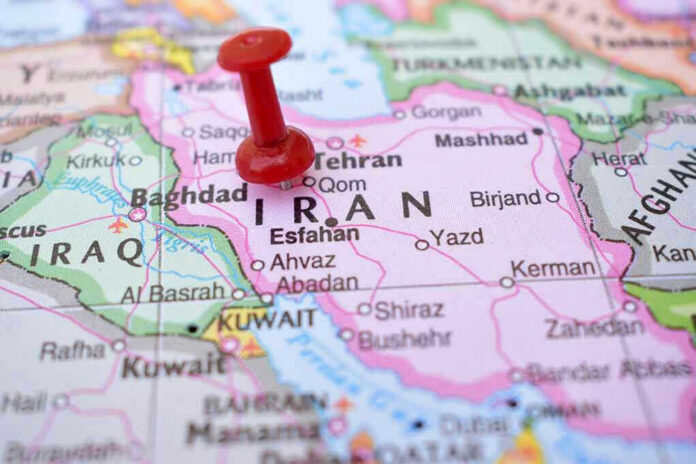
Iraqi authorities have indicated investigators are examining whether Iran had any involvement in the kidnapping. That investigative direction is significant, but the available reporting does not provide firm public proof or direct, on-the-record statements confirming responsibility. The main account circulating publicly relies on a media report that references “reports” and unnamed sourcing rather than documented official evidence. Conservatives should treat the Iran angle as a lead under review, not a settled conclusion.
The limits of confirmation are not a small issue in a region where narratives can be used to justify escalations. When officials float a potential foreign link without presenting clear supporting facts, Americans should demand specificity: names of the arrested suspect, the alleged chain of command, communications evidence, and the legal basis for any attribution. Without those basics, the story can become a vehicle for pressure campaigns—whether aimed at expanding U.S. involvement, reshaping alliances, or shifting blame for local security failures.
Why This Incident Hits a Nerve for Trump’s Base in 2026
This case lands in a politically sensitive moment for the second Trump administration, with many MAGA voters openly divided about deeper involvement in any Iran-related conflict and increasingly skeptical that Washington’s “security commitments” always serve U.S. citizens first. A kidnapped American abroad becomes more than a crime story when it risks turning into a pretext for escalation. The frustration is familiar: voters who rejected globalist adventurism want deterrence and safety—without drifting into another open-ended mission.
The immediate reality is that Americans abroad, including journalists, remain vulnerable in unstable environments, and every incident creates pressure for U.S. diplomatic and security responses. The longer-term question is whether Washington can protect Americans and maintain leverage without repeating the mistakes of endless “nation-building” and regime-change logic. The facts available so far show an Iraqi-led rescue and an arrest; they do not yet show a clear casus belli or a verified state-directed operation.
Security Conditions in Iraq Keep Foreigners in the Crosshairs
Reporting around the incident frames it as part of a broader pattern: Iraq’s volatility has enabled kidnappings of foreign nationals and high-profile targets, and previous cases have included non-U.S. researchers in Baghdad. That context matters because it suggests structural insecurity rather than a one-off event. For American families watching energy prices and foreign policy risks, the practical takeaway is that instability in Iraq is not “over,” and it still reaches U.S. citizens in real time.
For now, the strongest verified points are limited: Kittleson was abducted near a checkpoint, Iraqi forces pursued the kidnappers, the vehicle overturned, she was rescued, one suspect was arrested, and she was hospitalized. Everything beyond that—motive, sponsors, and whether a foreign government played a role—remains unresolved in the public record. Until investigators provide documented findings, the most responsible approach is to demand transparency while resisting calls to rush America into another war.