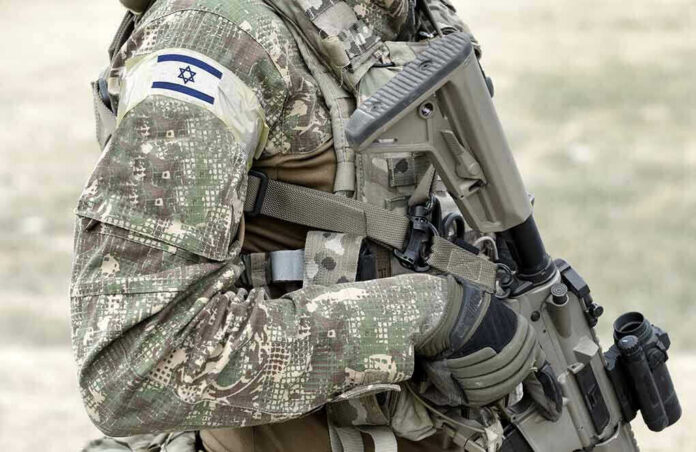
A new aggressive military strike by Israel threatens to escalate Middle Eastern tensions, capturing global attention and stirring debate among conservative supporters.
Story Highlights
- Israel conducts a significant military strike on senior Hamas leaders in Qatar.
- The operation signals a bold stance on terrorism, aligning with conservative support for strong national defense.
- International reactions vary, with some countries condemning the action and others expressing support.
- Potential implications for U.S. foreign policy under the Trump administration.
Israeli Military Action in Qatar
Israel has launched a significant military operation targeting senior Hamas leaders residing in Qatar. This action underscores Israel’s ongoing commitment to counter-terrorism efforts and its determination to target Hamas leadership wherever they may reside. The strike, conducted in the Qatari capital, Doha, resulted in the death of several key figures within the organization. This move is seen as a decisive action to curb Hamas’s influence and activity beyond the borders of Israel and the Palestinian territories.
Global Reactions and Political Implications
The international community has reacted with a mixture of condemnation and support. While some nations criticize Israel for what they perceive as an escalation of conflict, others, including prominent allies, have expressed understanding of Israel’s actions as necessary for national security. The Trump administration’s response will be pivotal, reflecting its broader Middle Eastern policy and stance on terrorism. This operation raises questions about the potential for increased tensions in the region and the implications for U.S. foreign policy.
Impact on U.S. Foreign Policy
Under President Trump’s leadership, the U.S. has maintained a strong alliance with Israel, emphasizing mutual security interests. This military action by Israel aligns with the administration’s hardline approach to terrorism and could influence future diplomatic strategies. The U.S. response could either bolster support for Israel’s actions or call for restraint to prevent further regional instability. The outcome will affect U.S. relations with Middle Eastern countries and its role as a mediator in the Israel-Palestine conflict.
Israel Takes Out Senior Hamas Leaders in Qatar https://t.co/pKuB89lQmb
— ConservativeLibrarian (@ConserLibrarian) September 9, 2025
The strike on Hamas leaders in Qatar is a significant development in the ongoing conflict between Israel and Hamas. It illustrates Israel’s willingness to take bold actions to protect its security interests. As the international community watches closely, the responses from key global players will shape the geopolitical landscape and influence future peace efforts in the region.