Texas state troopers say they stopped a planned violent attack on the Texas State Capitol with a 3 a.m. SWAT arrest that turned a Thursday target date into a routine business day.
Story Snapshot
- Texas Department of Public Safety said it had credible information of a plan to attack the Capitol on Oct. 1.
- Officers arrested Benny Caldera Jr., 40, at his Converse home around 3 a.m. Wednesday.
- Agents from the Federal Bureau of Investigation (FBI) and local police assisted in the operation.
- The charge is felony terroristic threat against a public servant; the Capitol stayed open.
DPS says credible tip, fast action, and a midnight clock
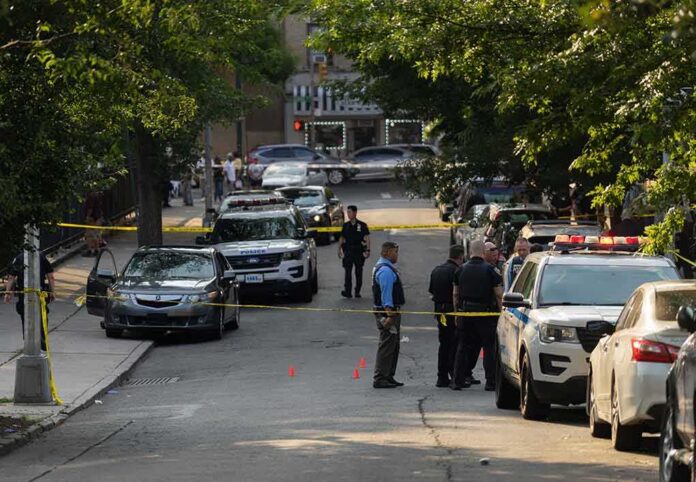
Texas Department of Public Safety leaders said they received credible information on Tuesday evening about a plan to attack the Texas State Capitol the next day, Thursday, Oct. 1. The agency moved overnight. Texas Department of Public Safety SWAT officers hit the suspect’s residence in Converse, near San Antonio, at about 3 a.m. Wednesday. They arrested 40-year-old Benny Caldera Jr. without incident, according to multiple reports that quoted the agency’s statement. The plan’s timing, the rapid response, and the suspect’s identity all align across outlets.
The agency said it notified lawmakers and staff of the threat and the arrest. The Texas Capitol remained open for normal hours, a signal that state leaders believed the immediate danger had been contained. Officials described the planned attack date as Thursday, which gave the overnight arrest special weight. The window to act was tight: hours, not days. That tempo shaped every tactical choice, from the pre-dawn knock to the communications with the Capitol community.
Who was arrested and what is the charge
Authorities identified the suspect as Benny Caldera Jr., age 40, of Converse, Texas. Reporters cited booking information and agency statements to describe the charge as making a terroristic threat against a public servant, a felony under Texas law. Officials said he was booked into the Bexar County Jail after the arrest. Several outlets reported that the arrest involved state troopers working with the Federal Bureau of Investigation and local law enforcement partners, a common blend for time-sensitive threat cases.
A message sent to Texas Senate offices described the arrested individual as the main suspect and referenced suspected co-conspirators. That phrasing did two things at once. It told staff the primary threat actor was in custody. It also warned that investigators might still be tracing the edges of a wider effort. Officials did not publicly name any other suspects in those first reports.
What the timeline shows about threat response
The timeline is consistent across reports: tip on Tuesday evening; SWAT arrest early Wednesday; intended attack on Thursday. That sequence matches best practices that hardened after January 6. When officers face a dated threat against a legislative building, they compress the cycle from tip to action. They pull in the Federal Bureau of Investigation for intelligence checks, digital leads, and deconfliction. They coordinate with local agencies for the arrest site and any perimeter support. Then they move before the suspect can shift tactics or timing.
Texas kept the Capitol open after the arrest, which signals confidence in the operation and in follow-on security measures. Leaders balanced two important interests: protect the public and keep the people’s house working. That balance fits conservative common sense. Secure the building, pursue the suspect, and let government serve citizens without turning the seat of state power into a fortress unless conditions demand it.
How this fits the broader risk picture
Threats against government buildings are not abstract. The Federal Bureau of Investigation has said for years that domestic violent extremists pose an elevated threat, and some actors target institutions to gain attention or to intimidate officials. State capitols sit at the intersection of civic life and political passion. They are open enough to welcome the public, but symbolic enough to draw those who want to scare it. That mix drives fast, multi-agency work when a tip hits with a date and a target.
Texas Man Accused of Plotting Attack on State Capitol Posts $75,000 Bond Just Hours After 3 A.M. SWAT Arrest — FBI Then Takes Him Into Federal Custody
— DJ CandyMan (@DrCandymn) October 1, 2026
Direct facts are clear in these reports. Texas Department of Public Safety said the threat was credible, the date was fixed, the target was the Capitol, and the suspect was in custody by dawn. The agency credited a team approach with the Federal Bureau of Investigation and local police. A brief caveat applies in any new arrest: a charge is an accusation, not a conviction. But the state’s job is to stop violence before it starts. On that test, the record shows the machinery worked.
Sources:
kvue.com, nbcdfw.com, texastribune.org, timesnownews.com, ksat.com
© targetdailynews.com 2026. All rights reserved.