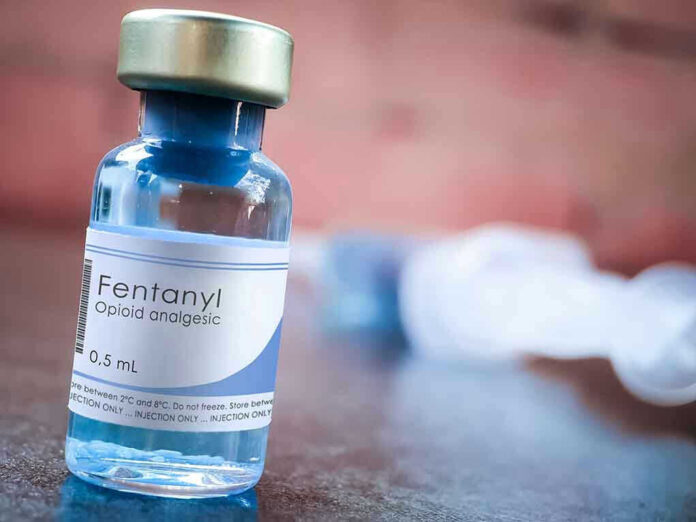
The President’s new push for involuntary commitment laws threatens to exacerbate the overdose crisis amid a rehab infrastructure already stretched to its limits.
Story Snapshot
- Involuntary commitment laws for drug users are expanding under new federal directives.
- Massachusetts’ report warns of increased overdose risks post-involuntary treatment.
- Rehab facilities face critical shortages in beds and funding.
- Ethical and civil rights concerns complicate the enforcement of these laws.
Federal Push for Involuntary Commitment Laws
President Trump announced a nationwide initiative to enforce stricter involuntary commitment laws targeting individuals with severe substance use disorders. This decision comes as a response to the escalating overdose crisis impacting communities across the nation. However, the initiative faces substantial hurdles, primarily due to the high costs associated with rehabilitation and a critical shortage of treatment beds. These challenges highlight the tension between addressing urgent public health crises and the limitations of existing infrastructure.
Massachusetts Report Signals Caution
Late in 2024, the Massachusetts Department of Public Health released a report comparing outcomes of voluntary versus involuntary addiction treatment. The findings reveal a concerning trend: individuals subjected to involuntary treatment face a heightened risk of overdose once released. This data underscores the importance of evaluating the efficacy of forced interventions, particularly when existing rehab facilities are overburdened and underfunded. The report calls for a careful reevaluation of current strategies to ensure that public health efforts do not inadvertently harm those they aim to help.
The push for involuntary commitment laws also raises significant ethical and legal questions. Civil rights advocates argue that these laws may infringe upon individual liberties and due process. Meanwhile, families and petitioners often initiate these proceedings out of desperation to save loved ones from addiction, highlighting the complex motivations and relationships at play in this policy debate.
Infrastructure and Ethical Challenges
The current treatment infrastructure in the United States is woefully inadequate to meet the demands of the President’s initiative. Over 21 million Americans needed substance abuse treatment in 2019, yet less than 20% received any, and only 12.2% accessed specialty facilities. Medicaid, the primary insurer for most individuals in treatment, faces the strain of an increased number of forced admissions. As some states resort to using correctional facilities for treatment, the line between healthcare and incarceration blurs, prompting ethical concerns regarding the treatment of individuals with substance use disorders.
The high taxpayer costs associated with involuntary treatment further complicate the situation. While proponents argue that such measures can save lives, critics caution against the potential for increased mortality and ethical dilemmas. The lack of sufficient capacity and funding for treatment facilities remains a significant barrier to the effective implementation of these laws.
Sources:
Health and Human Rights Journal (2025)