International justice just did what the United States’ own government so often refuses to do—hold the powerful accountable for trampling basic rights, as the ICC issued arrest warrants for top Taliban leaders over their systematic persecution of women and girls in Afghanistan. Will the world follow through, or is this just another round of empty global posturing?
At a Glance
- The International Criminal Court (ICC) has issued arrest warrants for Taliban leaders Haibatullah Akhundzada and Abdul Hakim Haqqani for crimes against women and girls.
- Charges focus on systematic gender-based persecution since the Taliban’s return to power in August 2021.
- The warrants highlight global condemnation but face steep enforcement challenges, as the Taliban refuse cooperation.
- Afghan women remain excluded from public life, while international pressure on the Taliban government intensifies.
ICC Targets Taliban Leadership for Crimes Against Women
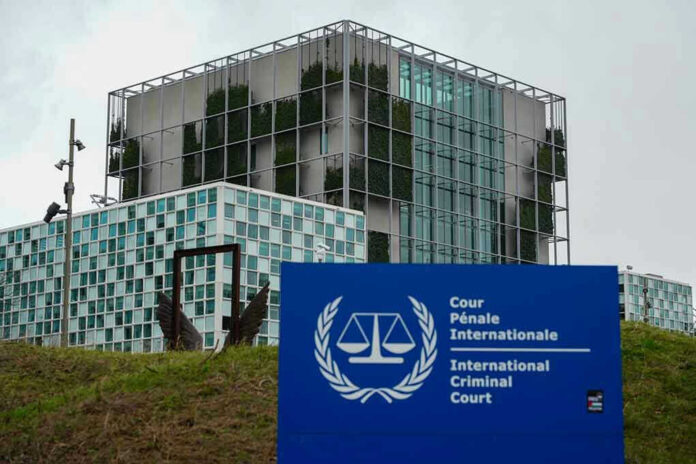
The International Criminal Court has made headlines, and not the kind the Taliban can brush off. On July 8, 2025, the ICC issued arrest warrants for Haibatullah Akhundzada, the Taliban’s supreme leader, and Abdul Hakim Haqqani, the head of Afghanistan’s Supreme Court, charging them with crimes against humanity for their relentless persecution of women and girls. It’s a move that exposes the Taliban’s medieval policies on the world stage, but—let’s be honest—how much bite will this have when the world’s “human rights defenders” can barely enforce a parking ticket in Kabul?
Since the Taliban’s takeover in August 2021, Afghan women and girls have been locked out of schools, workplaces, and public spaces, with decrees banning them from even basic freedoms. The ICC’s action marks the first time its crosshairs have settled so squarely on the upper echelons of the Taliban for gender-based crimes. The irony is thick: while Western governments tie themselves in knots over “inclusive language” and “safe spaces,” actual women are being erased from public life in Afghanistan—and only now is there an arrest warrant to show for it.
A Pattern of Persecution—And Global Indifference
The ICC’s investigation found the Taliban government guilty of implementing policies that systematically exclude women from education, employment, and even leaving their homes without a male escort. The charges extend to persecution based on gender identity, expression, and even association with women’s rights. The international community, including the United Nations, has repeatedly condemned these actions, but for years, the world watched with folded arms as the Taliban tightened their grip. The UN may have adopted a new resolution, but anyone who’s followed the UN’s record knows it is long on resolutions and short on results. When you subsidize the very regimes you supposedly oppose, can you really claim the moral high ground?
The ICC’s warrants are technically under seal, which is a nice way of saying “don’t expect anyone to be frog-marched to The Hague tomorrow.” The Taliban aren’t about to hand over their leaders, and the international community’s appetite for real enforcement is always selective. The message is clear: if you’re a despotic regime willing to ignore the rules, you can pretty much count on the world’s outrage fading by next week’s news cycle.
Impact: Real Victims, Hollow Promises, and the Cost of Inaction
While the ICC touts this as a “vindication” for Afghan women and girls, the reality on the ground remains unchanged. Women are still locked out of schools, jobs, and nearly every aspect of public life. The Taliban’s political isolation may deepen, but the cost is borne by ordinary Afghans—especially the women and girls the world claims to care about. Human Rights Watch and other organizations are pushing for international enforcement, but the odds of meaningful action are slim without real cooperation on the ground.
Meanwhile, this spectacle sets a precedent for prosecuting gender-based persecution at the highest levels, but only if there’s a willingness to follow through. It’s hard to watch this circus without thinking about the double standards. The same global elites who wring their hands over “equity” and “representation” at home have precious little to say when faced with actual, state-sponsored misogyny. Maybe if the Taliban called it “affirmative action for men,” the UN would have acted sooner.