The clash between students and immigration enforcement at the Minnesota State Capitol reveals a deep-rooted tension that is reshaping community dynamics.
Story Overview
- Students from St. Paul walked out to protest ICE operations, gathering at the State Capitol.
- A surge in ICE presence in the Twin Cities has led to nearly 2,500 arrests since December.
- Media coverage highlighted organized protests, but reports of chaos and brawls lack verification.
- The protests occur amid legal challenges to ICE’s tactics by state and local authorities.
Protests and Tensions Rise
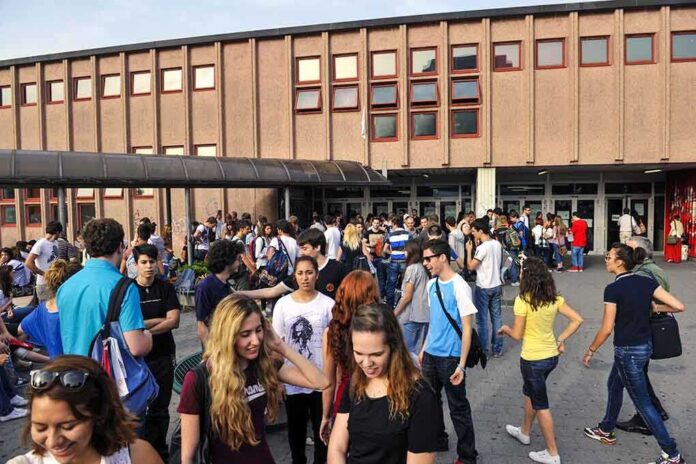
On January 14, 2026, students from various high schools in St. Paul staged a walkout in opposition to ICE’s intensified operations under “Operation Metro Surge.” This movement saw students from Humboldt High School and Central High School marching to the Minnesota State Capitol. Their demonstration was a response to increased ICE activity, which had led to a significant number of arrests and heightened fear among local communities.
Despite initial concerns about potential violence at the event, most reports describe the protest as organized and peaceful. The students’ march was characterized by speeches and chants against ICE’s federal immigration enforcement tactics, drawing attention to perceived injustices. Minnesota Attorney General Keith Ellison addressed the crowd, expressing solidarity with the protesters and challenging ICE’s aggressive measures.
Background of Operation Metro Surge
The protest comes against the backdrop of “Operation Metro Surge,” initiated by the Department of Homeland Security in December 2025. This operation significantly increased ICE presence in the Twin Cities, deploying over 3,000 agents and resulting in approximately 2,500 arrests by mid-January 2026. The operation has been criticized for its aggressive tactics, including allegations of racial profiling and excessive force.
Local leaders, including Minneapolis Mayor Jacob Frey and Minnesota Attorney General Keith Ellison, have been vocal critics of these operations. They argue that the federal actions are creating chaos and fear within immigrant-heavy communities in the Twin Cities. The state and local governments have filed lawsuits against ICE, alleging unconstitutional practices and demanding stricter oversight of federal agents’ actions.
Legal and Community Implications
The legal battle over ICE’s operations has significant implications for federal-state relations. On January 14, 2026, a federal judge heard arguments in the lawsuit filed by the state of Minnesota and its cities, accusing ICE of unlawful conduct. Despite the urgency expressed by state attorneys, the judge denied an immediate temporary restraining order but set a deadline for ICE to respond by January 19.
This legal conflict underscores the tension between federal immigration enforcement and state efforts to protect local communities. The outcome of this lawsuit could set a precedent for other jurisdictions challenging federal immigration policies and enforcement tactics.
Impact on Schools and Communities
The intensified ICE operations have disrupted the educational environment in the Twin Cities. Saint Paul Public Schools, one of the largest school districts in Minnesota, has offered temporary virtual learning options to mitigate the impact of the protests and ensure student safety. The walkouts and demonstrations reflect a broader community sentiment against what is seen as an overreach of federal authority.
The protests and subsequent legal actions have brought national attention to the Twin Cities, highlighting the complex dynamics between federal immigration policies and local community safety. As the situation unfolds, stakeholders across the education sector, immigrant communities, and political spheres are closely watching for developments that could influence future policies and enforcement practices.