A routine sewer installation in Italy has unearthed a treasure trove that globalist bureaucrats and their destructive infrastructure projects would have likely bulldozed without a second thought, proving once again that accidental discoveries often preserve more history than government-planned “development.”
Story Highlights
- Sewer workers in Manduria, Italy discovered a 2,300-year-old Messapian tomb during routine infrastructure work
- The ancient tomb contained ceramic artifacts and showed evidence of historical disturbance, possibly from ancient looting
- Archaeological authorities have secured the site and are conducting ongoing investigations into the rare Messapian burial site
- The discovery highlights the tension between modern development and historical preservation in Europe’s culturally rich regions
Ancient Tomb Discovered During Municipal Work
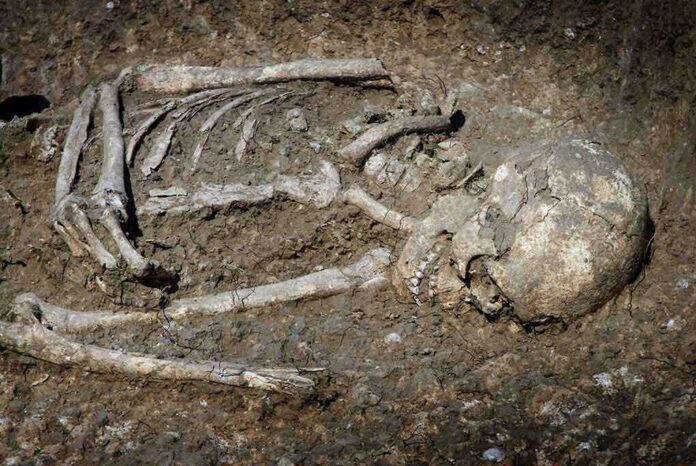
Sewer workers in Manduria, southern Italy, uncovered a significant archaeological find in early September 2025 while conducting routine infrastructure maintenance. The tomb dates back to the 4th century B.C., approximately 2,300 years old, and belongs to the ancient Messapian civilization. Local archaeological authorities immediately secured the site and began comprehensive investigations. The discovery occurred beneath modern urban areas, demonstrating how ancient civilizations built lasting foundations that contemporary societies continue to encounter during development projects.
Messapian Civilization Artifacts Reveal Historical Significance
The tomb contained ceramic artifacts characteristic of Messapian burial practices, providing rare insights into this ancient Italic people who inhabited Apulia from the 8th to 3rd centuries B.C. Archaeologists noted evidence of prior disturbance, suggesting the tomb may have been accessed or looted in antiquity. Messapian tombs are exceptionally rare and valuable for understanding pre-Roman southern Italy. The artifacts are currently undergoing cataloguing and analysis, with experts emphasizing the find’s importance for regional historical research and cultural understanding.
Archaeological authorities have coordinated with the Municipality of Manduria and potentially the Italian Ministry of Culture to ensure proper preservation protocols. The discovery reinforces Italy’s reputation for archaeological richness, where urban development frequently intersects with buried historical remains. Similar accidental discoveries of Roman and Etruscan tombs have occurred during construction projects throughout Italy, highlighting the ongoing challenge of balancing modern infrastructure needs with cultural heritage protection.
Sewer installation unearths 2,300-year-old tomb with treasures in Italy. See it https://t.co/Sjw3OaFFE5
— The Charlotte Observer (@theobserver) September 10, 2025
Heritage Preservation Challenges Modern Development
The find illustrates the critical importance of archaeological oversight during urban infrastructure projects in historically significant regions. Experts stress that many valuable archaeological sites face destruction from poorly planned development initiatives that prioritize rapid construction over cultural preservation. The Manduria discovery occurred by chance rather than through systematic archaeological survey, raising questions about how many similar sites remain vulnerable to destruction during routine municipal work.
Local officials have announced plans for further excavation and potential museum display, recognizing the discovery’s value for tourism and educational outreach. The tomb’s condition and artifact preservation demonstrate the benefits of immediate professional archaeological intervention when historical materials are encountered. This approach contrasts sharply with development projects that rush through construction without adequate heritage protection measures, often resulting in irreversible losses of cultural artifacts and historical knowledge.
Sources:
Treasures in Italy, including 2,300-year-old tomb, unearthed during sewer installation
Rogue Classicism Archaeological News