President Trump’s direct intervention with Vladimir Putin secured a temporary halt to Russian airstrikes on Kyiv, demonstrating the kind of decisive leadership that puts American influence back at the forefront of global diplomacy.
Story Snapshot
- Trump personally requested Putin pause Kyiv airstrikes until February 1 amid extreme cold weather forecasts
- Kremlin confirmed Putin’s agreement, positioning the pause as goodwill gesture ahead of Abu Dhabi peace talks
- Zelensky offered reciprocal halt on Ukrainian strikes against Russian energy infrastructure
- Temporary pause provides relief to Kyiv residents facing blackouts and temperatures plunging to -26°C
Trump’s Direct Diplomatic Intervention
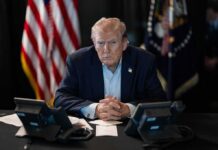
President Trump made a personal request to Russian President Vladimir Putin to halt airstrikes on Kyiv until February 1, 2026, citing extreme cold weather conditions threatening Ukrainian civilians. The Kremlin confirmed Putin’s agreement on January 30 through spokesman Dmitry Peskov, who stated “Yes, of course” when asked about the pause. Trump publicly announced the request during a White House cabinet meeting on January 29, demonstrating the kind of direct, results-oriented diplomacy that characterized his return to the presidency. This marks a significant departure from the Biden administration’s failed proxy-war approach that drained American resources while prolonging suffering.
Strategic Timing Before Peace Negotiations
The temporary halt comes ahead of trilateral peace talks scheduled for Abu Dhabi this weekend between U.S., Russian, and Ukrainian delegations. Peskov emphasized the pause creates “hospitable conditions” for negotiations, notably omitting Trump’s humanitarian weather concerns in favor of framing it as diplomatic goodwill. Ukrainian President Volodymyr Zelensky responded by proposing a mutual cessation of attacks on energy infrastructure, mirroring Trump’s request. The pause follows a January 23-24 large-scale Russian attack on Kyiv that left thousands without heat as Eastern Europe braces for a deep freeze with temperatures forecast to drop to -26°C by Sunday.
Humanitarian Crisis and Energy Warfare
Russian airstrikes have systematically targeted Ukrainian energy infrastructure since late 2022, intensifying in recent weeks and causing widespread blackouts and heating shortages across Kyiv. The timing of Trump’s intervention addresses immediate humanitarian concerns as extreme cold threatens civilian lives already made vulnerable by grid damage. Unlike previous administrations that merely condemned such attacks, Trump leveraged America’s renewed global standing to secure tangible relief for suffering civilians. The pause offers temporary respite to Kyiv residents and energy workers, potentially averting cold-related deaths while providing breathing room for critical infrastructure repairs during the negotiation window.
Testing American Leadership in Global Conflicts
Trump’s successful mediation effort showcases America-first diplomacy that prioritizes results over endless globalist entanglements. The agreement tests whether direct engagement between world leaders can achieve what years of Biden-era proxy warfare failed to accomplish: actual progress toward ending the conflict. The pause remains limited in scope, covering only Kyiv strikes until Sunday, with uncertainty about other attack types or regions. However, it establishes a precedent for targeted de-escalation tied to concrete diplomatic efforts. This approach contrasts sharply with the previous administration’s blank-check policy that funneled billions in taxpayer dollars to Ukraine while inflation ravaged American households, with no clear path to resolution or accountability for spending.
The temporary pause demonstrates that strong American leadership, wielded by a president willing to engage directly with adversaries, can achieve humanitarian outcomes that years of failed establishment policies could not. Whether this leads to lasting peace or merely a brief respite remains uncertain, but Trump’s intervention provides immediate relief to vulnerable civilians while creating diplomatic momentum that was entirely absent under the prior administration’s reckless approach to foreign entanglements.
Sources:
Kremlin Agrees to Pause Airstrikes on Kyiv Until Sunday – The Moscow Times
Russian Offensive Campaign Assessment, January 29, 2026 – Institute for the Study of War