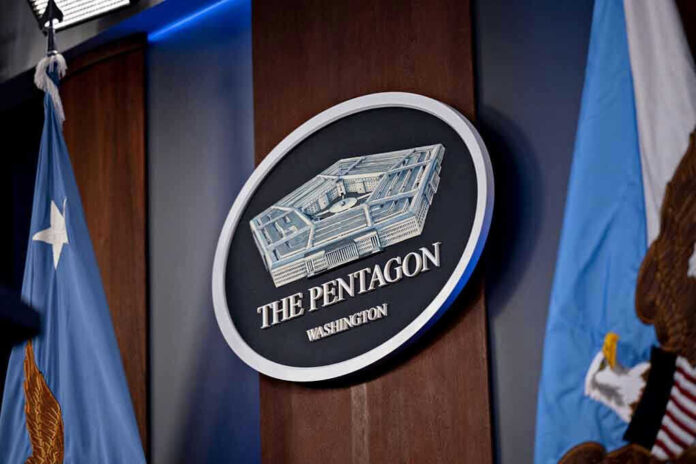
When the Pentagon press corps surrendered their badges and staged a walkout in defiance of Pete Hegseth’s new media access policy, they didn’t just protest—they forced America to confront the precarious balance between military secrecy and press freedom.
Story Snapshot
- Journalists collectively abandoned Pentagon access over new restrictive media policy.
- Pete Hegseth’s changes triggered a rare, coordinated walkout that shocked government and media circles.
- Walkout signals a turning point in press-government relations, igniting debates on transparency and security.
- Congress and public now scrutinize Pentagon communications like never before.
The Day the Badges Hit the Floor
October 16, 2025, marked a watershed moment in Pentagon-media history. Reporters from major outlets—AP, Reuters, NYT, CNN, BBC—lined up and handed over their press badges, exiting en masse. This wasn’t a spontaneous protest; it was a meticulously coordinated response to Pete Hegseth’s controversial policy, which had been announced just days earlier. The policy, billed as a measure for “operational security and message discipline,” imposed stricter rules on interviews and credentialing, effectively shutting journalists out of unscheduled briefings and limiting access to officials.
Reporters didn’t mince words in their joint statement: “We are proud we stuck together. This is about the public’s right to know.” The walkout disrupted the Pentagon’s daily information flow, leaving officials scrambling to control the narrative. Hegseth defended the policy, arguing that transparency must be balanced with security, but the press corps saw it as a thinly veiled attempt to restrict scrutiny and accountability. Editorials across the nation echoed concerns that the new rules marked a dangerous precedent.
How We Got Here: From Norms to Confrontation
The Pentagon, often described as America’s “nerve center” for defense, has historically relied on its press corps for public outreach and democratic oversight. For decades, journalists operated under established norms, enjoying access to senior officials and regular briefings. That changed in early 2025 when Pete Hegseth, known for his combative media style, took over as Pentagon spokesperson. Within months, tensions flared as access dwindled and policies grew opaque. Journalists reported escalating restrictions, culminating in the sweeping policy that triggered the walkout.
This was not the first time Pentagon-media relations faced strain, but collective action on this scale was unprecedented. Previous incidents—like isolated badge revocations and tense briefings—never sparked a coordinated response. Even during the Vietnam War, when press access was fiercely debated, mass walkouts didn’t materialize. The Hegseth policy broke new ground by uniting reporters from competing outlets in common cause, demonstrating that institutional transparency and the public’s right to know outweighed professional rivalry.
Stakeholders, Power, and the Fight for Access
The drama unfolded among a constellation of stakeholders. Pentagon officials, led by Hegseth, insisted that message discipline and operational security justified tighter controls. The press corps, representing giants like AP, Reuters, and NYT, countered that their job was to hold military leadership accountable and protect the integrity of defense reporting. Congressional leaders, particularly those on Armed Services Committees, voiced concern over the impact on oversight and transparency. Editors and bureau chiefs backed their reporters, publishing op-eds and demanding reversal.
Power dynamics were unmistakable: the Pentagon controlled credentials and access, but the press corps wielded public pressure and the megaphone of collective action. Hegseth’s background as a Fox News contributor and Army veteran signaled a shift toward more aggressive media management. Yet, faced with united opposition, even the Pentagon struggled to maintain its grip on the narrative. Negotiations between media organizations and Pentagon officials began almost immediately, with Congressional hearings proposed to examine the broader implications for press freedom.
Ripples Across the Political and Media Landscape
Short-term effects of the walkout included disruption of daily Pentagon coverage and an immediate spike in public scrutiny. Editorial boards and journalism organizations condemned the policy, warning that restricting access undermines democratic accountability. Media law scholars, military analysts, and advocacy groups like the Society of Professional Journalists rallied behind the walkout, stressing the vital role of the press in military oversight. The public, suddenly aware of the blackout, demanded answers.
Long-term, the episode may redefine how journalists respond to restrictive policies—not just at the Pentagon, but across other government agencies. The collective stand sets a precedent for defending access, with ripple effects likely in national security reporting and government transparency. The outcome hinges on continued public and political pressure; Congressional intervention and policy modification remain possible, especially if negotiations stall. One thing is clear: the walkout has injected new urgency into debates over secrecy, accountability, and the indispensable role of a free press.
Sources:
Associated Press (AP), “Pentagon Press Corps Walks Out Over New Media Policy,” October 16, 2025.
Reuters, “Journalists Protest Pentagon Media Restrictions,” October 16, 2025.
New York Times, “Pentagon Faces Backlash Over Press Access Policy,” October 17, 2025.
Washington Post, “Press Freedom at Risk: Pentagon Journalists Stage Walkout,” October 17, 2025.
BBC News, “US Defense Journalists Surrender Badges in Protest,” October 16, 2025.
Columbia Journalism Review, “Press Access and Accountability in National Security Reporting,” 2025.
Brookings Institution, “The Role of the Press in Military Oversight,” 2025.
Harvard Kennedy School, “Transparency and Democracy: The Case of Pentagon Press Relations,” 2025.
Society of Professional Journalists, Statement on Pentagon Press Corps Walkout, October 16, 2025.