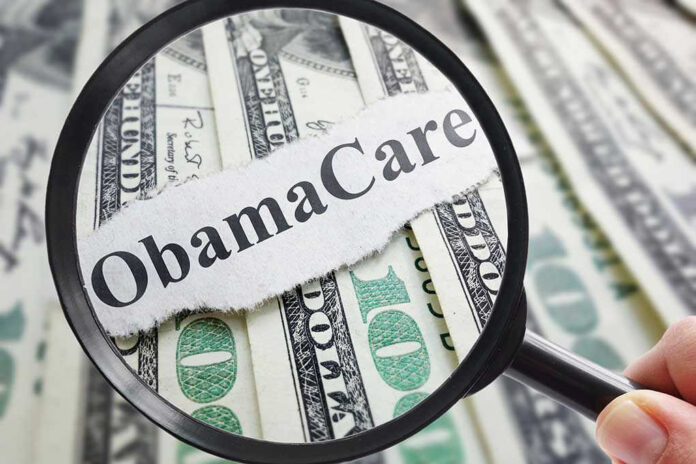
Republicans successfully ended Obama-era healthcare subsidies that were draining taxpayers of billions while artificially propping up the failing Obamacare system.
Story Highlights
- Enhanced ACA subsidies expire after Republicans refuse costly extension during government shutdown
- Taxpayers save $350 billion over decade by ending pandemic-era spending expansions
- 22 million enrollees return to original ACA subsidy levels, ending artificial price manipulation
- Democrats plan political theater vote in January 2026 to restore excessive subsidies
Republicans End Costly Pandemic Spending
Enhanced Affordable Care Act subsidies expired December 31, 2025, after Republicans successfully blocked their extension during the government shutdown negotiations. These pandemic-era expansions, which cost taxpayers an estimated $350 billion over ten years, artificially suppressed insurance premiums for 22 million enrollees. The subsidies were temporary measures enacted during COVID-19 under the American Rescue Plan Act and later extended through 2025 by the Inflation Reduction Act. Republican leadership correctly prioritized fiscal responsibility over continued government dependency.
The enhanced subsidies eliminated premiums for many low-income enrollees and extended eligibility beyond 400% of the Federal Poverty Line, far exceeding the original ACA framework. During the October-November 2025 government shutdown, Republicans stood firm against Democratic demands to include ACA extensions in spending bills. Eight Democrats ultimately joined Republicans in a bipartisan Senate deal that ended the shutdown without the costly healthcare provisions, demonstrating even some Democrats recognized the unsustainable nature of these expenditures.
Return to Original Obamacare Framework
With the enhanced subsidies expired, enrollees return to the original 2010 ACA subsidy structure, which caps premiums at 2-9.5% of income for those earning 100-400% of the Federal Poverty Line. The Congressional Budget Office projects premiums will increase from $888 annually in 2025 to $1,904 in 2026 for previously enhanced enrollees. However, this represents a correction from artificially suppressed prices back to market-based levels that reflect actual healthcare costs without excessive taxpayer intervention.
The original ACA subsidies remain intact, providing a safety net for qualifying low-income Americans while eliminating the pandemic-era expansions that created unsustainable government spending. House Minority Whip Katherine Clark predictably criticized Republicans, claiming “millions will see premiums skyrocket because Republicans refused to act.” This rhetoric ignores that Republicans acted responsibly by ending temporary pandemic spending that was never intended as permanent policy. The Committee for a Responsible Federal Budget confirmed full extension would cost $350 billion over ten years.
Fiscal Responsibility Prevails Over Government Dependency
President Trump signed the November 2025 funding bill that ended the shutdown without ACA extensions, demonstrating the administration’s commitment to reducing government overreach in healthcare markets. The expiration forces a return to personal responsibility and market-based healthcare decisions rather than continued reliance on taxpayer-funded subsidies. Democrats plan a January 2026 House vote on a three-year extension, but this represents political theater designed to blame Republicans for ending unsustainable spending rather than genuine healthcare reform.
The Committee for a Responsible Federal Budget noted even a smaller alternative extension would cost $175 billion over ten years, highlighting the enormous taxpayer burden these subsidies represent. Republicans correctly recognized these enhanced subsidies as pandemic-era overreach that needed to end as the country returns to normal economic conditions. The expiration protects taxpayers from continued bailouts of a healthcare system that Democrats designed to fail without constant government intervention and spending increases.
Sources:
Clock runs out on extending Obamacare subsidies — as health care price hikes rock Republicans
Expiring ACA subsidies and CMS payment models raise costs for consumers and employers
Why are expiring ACA subsidies raising health insurance premiums?
Understanding ACA Subsidy Discussion
Government shutdown ends without extension of ACA tax credits