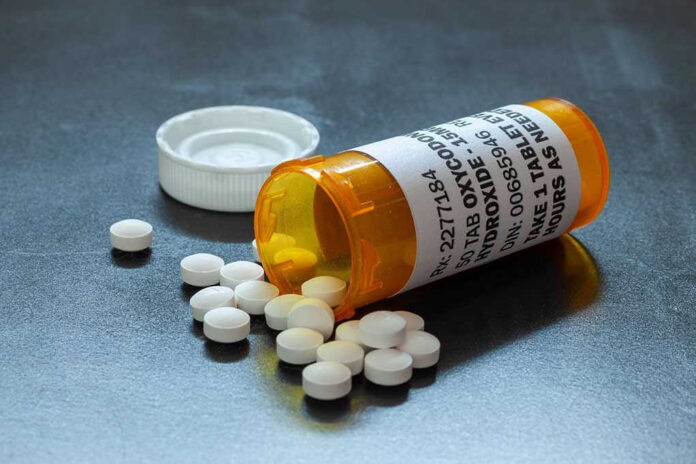
When porch pirates target packages, it’s not just holiday gifts at risk; sometimes, they steal life-saving medicine.
Story Snapshot
- Porch piracy spikes during holidays, targeting both gifts and essential medicines.
- A Utah family faced a critical loss when their child’s medication was stolen.
- E-commerce growth and high package values exacerbate theft trends.
- Law enforcement often deprioritizes porch piracy cases, complicating resolutions.
Porch Piracy and E-commerce: A Growing Menace
Porch piracy has become a significant issue as e-commerce continues to rise, particularly during the holiday season. In 2025 alone, over 104 million packages were stolen across the United States. As more people shop online, the volume and value of packages attract opportunistic thieves, who often target homes during peak delivery times like the holidays. Despite the prevalence of these incidents, only about 20% of Americans use anti-theft measures such as security cameras.
The term “porch pirate” emerged in the 2010s alongside the expansion of companies like Amazon. As online shopping became more common, so did package theft. Although many stolen packages contain replaceable items such as electronics or clothing, the theft of medication can have far more severe consequences. For instance, a Utah family recently reported a heartbreaking incident where their child’s life-saving medication was stolen from their porch.
The Human Cost of Porch Piracy
The theft of essential medications highlights the severe impact that porch piracy can have on individuals and families. Unlike the theft of replaceable gifts, losing medication can pose serious health risks to those who rely on it for their well-being. The Utah incident underscores the vulnerability of medical deliveries during the holiday season, where thieves may mistake these packages for more lucrative hauls.
This type of theft not only endangers the health of the recipient but also erodes trust in the delivery system. Families affected by such thefts face immediate health risks and financial burdens, as many medications are not easily replaceable or refunded. These incidents call attention to the need for better security measures and awareness around package deliveries, particularly for critical items like medications.
Challenges in Addressing Porch Piracy
Law enforcement often struggles to prioritize porch piracy cases due to limited resources and the low solvability of these crimes. Consequently, many victims do not report thefts to the police, and investigations are rare. Experts like Ben Stickle, a criminal justice professor, note that package value rather than brand seems to drive the increase in thefts. He also points out that apartment dwellers face higher risks due to shared parcel lockers and limited security.
Despite the widespread issue of porch piracy, only a small percentage of thieves take precautions to avoid capture, such as wearing masks. This suggests a sense of impunity among thieves, as the chances of getting caught and prosecuted remain low. Moreover, the lack of comprehensive data on medicine-specific thefts makes it challenging to fully understand the scope of the problem and implement effective solutions.
Mitigating Porch Piracy Risks
As porch piracy continues to be a problem, especially during the holiday season, it’s crucial for both consumers and companies to take steps to mitigate risks. Consumers can invest in security measures like cameras or parcel lockers and plan deliveries for times when someone is home. Meanwhile, delivery companies can explore secure delivery options, such as requiring signatures or providing alternative pick-up locations.
In addition, raising awareness about the potential consequences of porch piracy, especially when it comes to medication theft, can help drive community action and policy discussions. By highlighting the human cost of these crimes, stakeholders can push for better preventive measures and more robust reporting and investigation processes. With concerted efforts, it’s possible to reduce the impact of porch piracy and protect vulnerable individuals from its adverse effects.