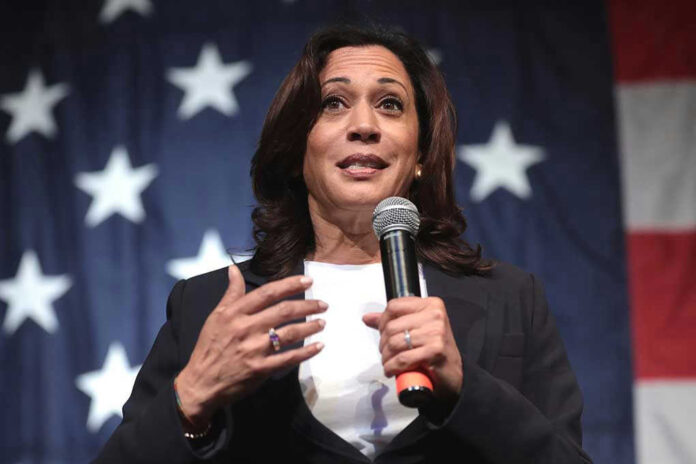
Elite LAPD crime suppression officers have been pulled off active cases to guard Kamala Harris, igniting debate over public safety and the proper use of local law enforcement resources.
Story Snapshot
- Kamala Harris lost Secret Service protection after Trump reversed Biden’s extension.
- LAPD Metro Division and California Highway Patrol reassigned officers to her security detail.
- Elite crime suppression units have been diverted from their core mission, raising public safety concerns.
- The unusual arrangement highlights federal-local friction and potential long-term impacts on Los Angeles crime response.
Federal Policy Shift Leaves Local Agencies Covering Former VP Security
In June 2025, the Trump administration revoked an executive order that had extended Secret Service protection for Kamala Harris, following standard federal protocol that limits such coverage to six months after a vice president leaves office unless extended. President Biden previously granted Harris ongoing protection, but this was reversed, leaving a gap that required immediate attention. Local agencies, specifically the Los Angeles Police Department’s elite Metro Division and the California Highway Patrol, stepped in to provide round-the-clock security for Harris from early September 2025. This move is not only unprecedented but also strains local resources, as these units traditionally focus on crime suppression, counter-terrorism, and rapid response for high-risk incidents in Los Angeles.
Historically, local law enforcement cooperates with federal agencies during special events or visits by high-profile figures, but ongoing personal security for a former federal official is rare. The LAPD Metro Division is tasked with some of the city’s most dangerous and complex criminal cases, making its redeployment a matter of concern for many residents and public officials. Los Angeles faces persistent crime challenges, and the Metro Division’s absence from its usual duties may impact response times, investigation quality, and overall crime suppression effectiveness. City officials and law enforcement leaders have not disclosed detailed operational plans, citing security reasons, leaving the duration and scope of this assignment unclear.
Crime Suppression Capacity at Risk as Officers Reassigned
The reassignment of elite Metro Division officers to Harris’s security detail has immediate implications for crime-fighting in Los Angeles. Short-term effects include reduced manpower for ongoing investigations and field operations in high-crime areas, which could lead to slower response times and gaps in coverage. Public concerns are mounting over the potential increase in criminal activity and the prioritization of personal security for political figures over community safety. This shift also sets a precedent for local agencies assuming federal responsibilities, raising questions about resource allocation and the appropriate boundaries between federal and municipal duties. Long-term, the arrangement could strain LAPD morale and operational effectiveness, especially if the reassignment persists.
Residents in neighborhoods most impacted by crime may feel the effects of reduced police presence, while officers pulled from their core assignments face new challenges in adapting to protective detail roles. There is also economic impact, with possible overtime costs and budget adjustments needed to cover the additional responsibilities. The decision has sparked political debate, with some viewing it as necessary for Harris’s safety and others criticizing the erosion of crime suppression capacity. Law enforcement analysts and public administration scholars argue that local police are not structured for permanent personal protection of former federal officials and warn of adverse consequences if elite units are routinely diverted from their primary missions.
Expert Analysis and Public Reaction to LAPD Redeployment
Security experts emphasize that ongoing personal protection for former federal officials should remain a federal responsibility to prevent undermining local public safety priorities. The redeployment of Metro Division officers has prompted scrutiny from public administration scholars and policing professionals, who highlight governance challenges and the risks of diverting specialized units from their intended functions. Community response has been mixed, with some supporting Harris’s need for protection and others expressing frustration over the impact on local crime-fighting. Mainstream news outlets confirm the facts of the redeployment, but operational details remain limited. The situation underscores broader concerns about federal-local coordination, resource management, and the preservation of public safety in major urban centers.
Los Angeles police officers ‘pulled from working cases’ to provide security for Kamala Harris https://t.co/MfdxBJ45lg
— Karen Ratti (@RattiKaren) September 4, 2025
While no direct contradictions have emerged in reporting, transparency is lacking regarding the number of officers involved and the expected duration of Harris’s security arrangement. This unprecedented use of local law enforcement for personal protection of a former vice president may prompt future policy reviews and debates over the division of responsibilities between federal and municipal agencies. For now, Los Angeles continues to adapt, balancing elite officer redeployment with the need to safeguard its communities amid shifting federal priorities.
Sources:
LA Times: LAPD, Sheriff’s Department face challenges amid immigration protests