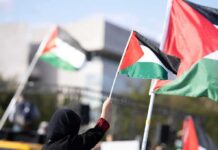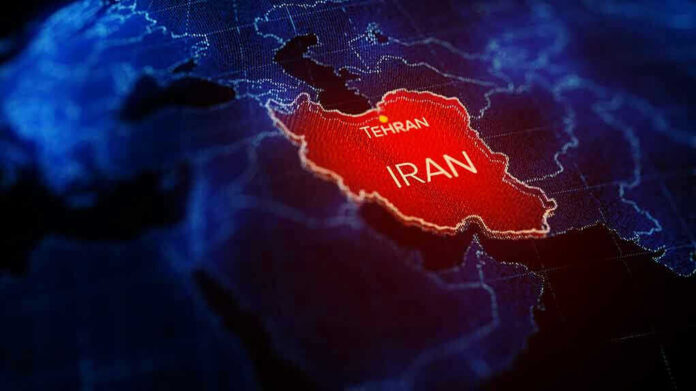
Iranian protesters chant “Neither Gaza nor Lebanon, my life for Iran,” rejecting the regime’s foreign wars while security forces fire live rounds into crowds, killing dozens in a brutal crackdown that exposes the mullahs’ desperation.
Story Highlights
- Protests erupted December 28, 2025, in Tehran’s Grand Bazaar over economic collapse, evolving into nationwide anti-regime uprising spanning 110 cities by January 6, 2026.
- Chants demand Khamenei’s overthrow and reject regime’s proxy wars in Gaza and Lebanon, prioritizing Iranian lives over foreign entanglements.
- Regime kills 16-32 protesters, arrests nearly 1,000 including minors, raids hospitals, amid escalating clashes with Molotovs and rifle fire from demonstrators.
- Bazaar merchants and women lead strikes and sit-ins, signaling elite fractures and broad rejection of theocratic mismanagement.
- Under President Trump’s leadership, America watches a vulnerable Iranian regime strained by domestic fury and overextended foreign adventures.
Protests Ignite from Economic Despair
Strikes began December 28, 2025, at Tehran’s Grand Bazaar as merchants shut down amid rampant inflation, shortages, and currency collapse. Demonstrations quickly spread to Isfahan, Shiraz, Mashhad, and Hamadan, where security forces deployed tear gas and live ammunition. By December 31, nationwide shutdowns—blamed on winter weather—failed to contain rallies in Kermanshah with chants of “Death to the dictator.” Protesters layered economic grievances with political fury against governance failures rooted in 50 years of repression.
Nationwide Uprising Rejects Foreign Priorities
By January 2-3, protests hit over 10 cities, with funerals turning into anti-regime rallies reporting 16 deaths. Slogans like “Neither Gaza nor Lebanon, my life for Iran” captured nationalists’ rejection of the regime’s proxy wars draining resources from starving citizens. Women, students, and workers joined decentralized actions amplified by social media despite controls. The regime’s focus on Iraq militias and external conflicts fueled outrage, mirroring historical uprisings like 2022’s Mahsa Amini protests and 2019 fuel riots.
Regime Escalates Brutal Suppression
January 4-5 saw 179 protests across 24 provinces, with clashes intensifying as protesters hurled Molotov cocktails and fired rifles. Security forces raided Ilam hospitals for wounded, arresting nearly 1,000 including minors. Supreme Leader Khamenei’s January 4 speech shifted tactics from restraint to coercion, dispersing January 6 Grand Bazaar sit-ins with tear gas. Chants proclaimed “This year is the year of sacrifice, Seyed Ali will be overthrown,” as women’s leadership turned bazaars into war zones with 32 confirmed deaths.
Impacts Signal Regime Vulnerability
Strikes paralyzed markets in 21 provinces, halting fruit and vegetable distribution and straining IRGC resources already committed abroad. Short-term chaos includes economic standstill and elite dissent from traditional bazaar bases. Long-term, blurred economic-political demands and rapid spread challenge regime control, risking destabilization. Opposition groups like NCRI document a “new phase” of confrontation. Analysts note suppression failures, with social media outpacing organization but eroding theocracy’s grip. President Trump’s strong stance against Iranian aggression offers hope for freedom-loving Iranians.
Sources:
Iran shaken by series of protests over past 50 years
Iran News in Brief – January 7, 2026
Iran News in Brief – January 6, 2026
In Iran, Protests: Information Spreads Faster Than Organization