An illegal immigrant walking into a Midwestern gas station and opening fire on Omaha police is not just a crime story; it is a flashing red warning about what happens when border chaos collides with local law and order.
Story Snapshot
- An illegal immigrant from El Salvador reportedly opened fire on Omaha officers inside a gas station.
- The case underscores how federal border failures spill directly into quiet American communities.
- Local officers and taxpayers shoulder the risks and costs when Washington refuses to enforce immigration laws.
- American conservative values of rule of law, secure borders, and community safety collide with ideological open-border politics.
How a Routine Patrol Turned into a Gunfight in a Gas Station
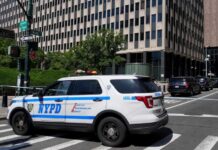
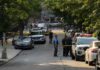
Omaha, Nebraska, sits far from the southern border, yet police there reportedly confronted a nightmare that began thousands of miles away in El Salvador. According to reports, 28-year-old Juan Melgar-Ayala, an illegal immigrant, opened fire on Omaha officers inside a gas station on a Wednesday, turning an ordinary stop into a life-or-death struggle. Officers walked into what should have been a mundane, forgettable call and instead faced a suspect with a gun and nothing to lose.
This encounter illustrates the harsh reality that local police do not get to opt out of federal policy failures. Officers in a Midwestern city suddenly found themselves in direct conflict with someone who, under a functioning immigration system, likely would not have been there at all. The bullets did not care about sanctuary politics, activist slogans, or Washington talking points. They only cared about trajectory, distance, and whether an officer went home that night.
"a convicted felon from El Salvador who was not legally in the U.S.”
Report: Illegal Immigrant from El Salvador Opens Fire on Omaha Officers https://t.co/yUQlmSAF2f via @BreitbartNews
— JB (@JBbandera) December 6, 2025
From Border Policy to Your Neighborhood Patrol Car
Every illegal crossing that federal authorities decline to stop or properly vet eventually lands in someone’s neighborhood, school district, hospital, or, in this case, gas station. When a person in the country illegally allegedly opens fire on police, the issue is no longer abstract; it is brutally specific. Conservative voters often argue that secure borders are not xenophobia but basic national self-defense. Cases like this give that argument teeth, because the chain of responsibility does not end at the crime scene tape.
American common sense says that a sovereign nation controls who enters and who stays. When that principle is treated as optional, local communities inherit the consequences without consent. Omaha residents fund their police, their courts, and their emergency rooms. Yet they have virtually no say when federal authorities release or fail to remove individuals who then drift into their city. The result is a quiet shifting of risk from Washington decision-makers onto ordinary taxpayers and the officers sworn to protect them.
The Human Cost to Officers and Communities
Police officers in cities like Omaha already manage mental health crises, drug epidemics, and rising public hostility toward law enforcement. Adding violent offenders with uncertain backgrounds and no lawful status compounds that burden. Each high-risk encounter drains morale, increases stress injuries, and fuels early retirements. When an illegal immigrant reportedly opens fire, it reinforces the perception among officers that the system loads the dice against them while demanding they remain calm, restrained, and perfect under fire.
Communities pay a quieter price. Residents watch footage of shootouts in places they recognize—a corner gas station, a busy intersection—and begin to adjust daily habits around fear and caution. Parents re-evaluate late-night errands. Small business owners think harder about security cameras and insurance. Conservative principles emphasize order, predictability, and responsibility; when immigration policy undercuts those foundations, trust in government erodes from the bottom up.
Law, Justice, and the Question Voters Must Answer
Incidents like the Omaha gas station shooting raise a question that no serious voter can dodge: how many preventable crimes are acceptable in the name of lax or ideological border policy? Advocates of strict enforcement argue that if a person is in the country illegally and then allegedly commits a violent crime, the system has failed twice: first at the border, then at community protection. That view aligns with a traditional American sense of fairness—follow the rules, respect the law, and you are welcome; break them, and you forfeit that welcome.
Opponents of enforcement-first policies often warn against “scapegoating” immigrants. That concern deserves a sober response: no serious conservative claims that all immigrants, or even most, are dangerous. Many come legally, work hard, and enrich their communities. The distinction that matters is not ethnicity or origin but legality and conduct. A nation that blurs that line invites more tragedies where the first bad decision was not at the gas pump, but at the border.
What This Omaha Case Signals About the Future
The reported shooting involving Juan Melgar-Ayala is more than a local crime blotter entry; it is a preview of what many communities may face if national leaders continue to treat border enforcement as optional and local governments as shock absorbers. Each such case becomes a grim data point that confirms what many citizens already suspect: their safety takes a back seat to political narratives crafted far from the streets where officers actually bleed.
Common sense and conservative values converge on the same conclusion: a compassionate, orderly immigration system requires firm borders, rigorous vetting, and swift removal for those who defy the rules. Without those pillars, more officers in more cities will walk into routine calls that suddenly turn into firefights. The question is not whether America can afford serious enforcement; it is whether America can afford the cost of ignoring it any longer.
Sources:
Illegal Alien Shooter in Nebraska Injures Five, Mostly Police