When 24 crew members locked themselves in a steel fortress aboard their hijacked oil tanker, they triggered a military response that would showcase how modern maritime warfare has evolved since the golden age of Somali piracy.
Story Highlights
- Somali pirates hijacked Malta-flagged oil tanker Hellas Aphrodite over 1,000 kilometers off Somalia using machine guns and rocket-propelled grenades
- Twenty-four crew members survived by barricading themselves in the ship’s citadel while special forces mounted a rescue operation
- Spanish special forces from EU Operation Atalanta successfully freed all crew members without casualties in coordinated international response
- First successful commercial hijacking since May 2024 signals potential resurgence of Somali piracy after years of decline
Pirates Strike With Military-Grade Weapons
The Hellas Aphrodite was carrying gasoline from India to South Africa when pirates attacked with devastating firepower. Machine guns rattled across the ocean waves while rocket-propelled grenades streaked toward the vessel. The attackers had likely launched their assault from a previously captured Iranian fishing boat, demonstrating the sophisticated network modern pirates operate.
The crew’s decision to retreat to the citadel proved crucial. These reinforced safe rooms have become standard equipment on commercial vessels, designed to protect sailors until military forces arrive. The 24 mariners successfully sealed themselves inside, cutting off pirate access to the ship’s controls and communications.
International Forces Mount Swift Response
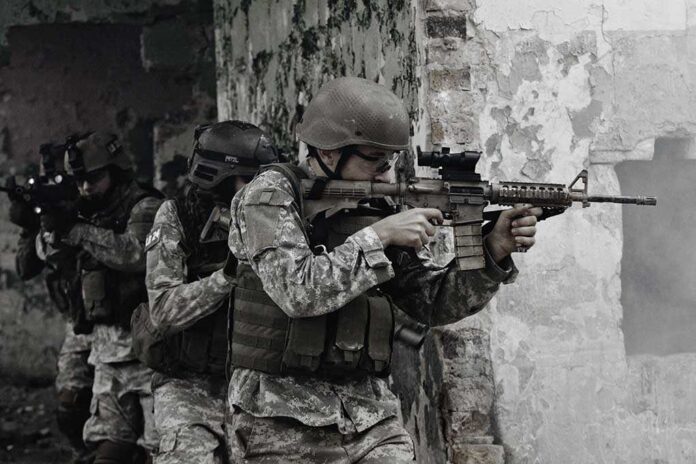
The Spanish frigate ESPS Victoria, operating under the European Union’s Operation Atalanta, reached the hijacked tanker within hours. Special forces trained specifically for maritime hostage situations boarded the vessel and secured it without firing a shot. The pirates either fled or were neutralized during the operation, though official reports remain vague on their exact fate.
This rapid response highlights how international naval cooperation has evolved since piracy peaked in 2011. Back then, 237 attacks cost the global economy $7 billion annually, including $160 million in ransoms. The coordinated military presence and improved protocols had virtually eliminated successful hijackings until recently.
Troubling Signs of Piracy’s Return
The Hellas Aphrodite incident represents the first successful commercial vessel hijacking since May 2024, but it’s not an isolated event. Seven piracy incidents have been reported off Somalia this year, with multiple fishing boats seized. The UK Maritime Trade Operations issued warnings about additional attacks in the same area, possibly by the same pirate group.
Maritime security experts point to a troubling correlation between current events and rising piracy. Naval resources have been diverted to address Houthi attacks in the Red Sea, potentially leaving gaps in anti-piracy patrols. Regional instability continues to provide the lawless environment that allows pirate networks to flourish and recruit desperate young men.
Economic Warfare on the High Seas
The distance of this attack—over 1,000 kilometers from Somalia—demonstrates pirates’ expanded operational range and growing boldness. This extended reach threatens major shipping lanes and forces the global maritime industry to reconsider security protocols that had successfully deterred attacks for years.
Insurance premiums will likely spike for vessels transiting these waters, costs that ultimately get passed to consumers worldwide. The shipping industry now faces the prospect of returning to expensive armed security details and route diversions that were phased out as piracy declined. The successful rescue may have saved lives, but it also signals that the economic war between pirates and international commerce has entered a new phase.