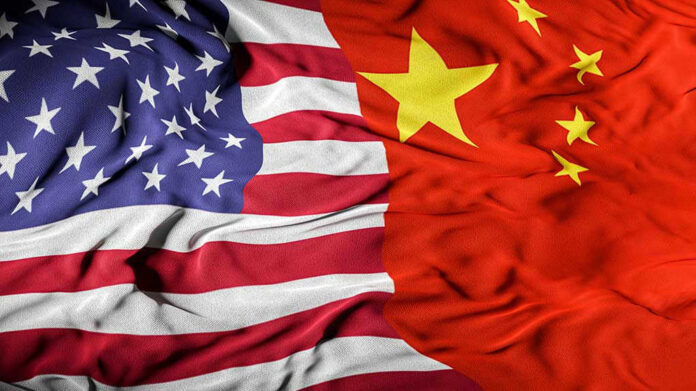
A new US-China trade deal has triggered unprecedented market volatility, with investors scrambling to decode whether this agreement signals the end of years of economic warfare or merely sets the stage for another round of broken promises.
Story Highlights
- New US-China trade deal announcement sends global markets into sharp swings across equities, currencies, and commodities
- Deal reportedly addresses tariffs, technology transfer, intellectual property, and market access with broader scope than previous agreements
- Market experts predict potential 1.2% global GDP boost if deal holds, but implementation risks remain high
- Investor uncertainty stems from vague details and history of unmet commitments in US-China relations
- Global ripple effects extend beyond US-China markets to emerging economies and multinational corporations
Markets React to Trade Deal Uncertainty
Global financial markets experienced dramatic swings following the announcement of a comprehensive US-China trade agreement. Unlike previous trade announcements, this deal triggered pronounced volatility across multiple asset classes, with equities, currencies, and commodities all experiencing sharp movements. The reaction reflects heightened investor sensitivity to any developments in the world’s most consequential economic relationship, where previous agreements have failed to deliver promised results.
The deal’s broader scope distinguishes it from earlier attempts at trade resolution. Reports suggest the agreement addresses not only traditional tariff issues but also complex matters of technology transfer, intellectual property protection, and market access rights. This comprehensive approach has amplified both investor optimism about potential economic benefits and concerns about the complexity of implementation and enforcement mechanisms.
Historical Context Shapes Investor Skepticism
The current market turbulence reflects lessons learned from the rocky history of US-China trade relations since 2018. The Trump administration’s imposition of sweeping tariffs on hundreds of billions of dollars in Chinese goods sparked a full-blown trade war that disrupted global supply chains and slowed economic growth in both nations. China’s retaliatory measures escalated tensions further, creating the unstable foundation that persists today.
The 2020 Phase One trade deal serves as a cautionary tale for current investors. While that agreement committed China to substantial increases in US goods purchases and promised intellectual property reforms, compliance remained spotty throughout its duration. The COVID-19 pandemic and persistent geopolitical tensions further undermined implementation, leaving many provisions unfulfilled and market participants wary of bold promises without concrete enforcement mechanisms.
Economic Stakes Drive Market Volatility
Market analysts project significant economic upside if the new agreement proves durable and enforceable. Expert forecasts suggest the deal could boost global GDP by approximately 1.2% over the next year, providing much-needed stimulus to a fragile world economy still grappling with inflation concerns and supply chain disruptions. However, these optimistic projections depend entirely on successful implementation and sustained political commitment from both nations.
The Federal Reserve’s monetary policy stance adds another layer of complexity to market calculations. With ongoing concerns about inflation and economic stability, any trade policy shifts that could affect pricing or growth trajectories receive intense scrutiny from investors. The central bank’s independence in navigating these crosscurrents remains crucial for maintaining market confidence, even as political pressures mount from various stakeholders seeking favorable outcomes.
Implementation Risks Cloud Future Prospects
Despite the potential economic benefits, substantial risks threaten the deal’s long-term viability. Both governments face domestic political pressures that could undermine sustained cooperation. Hardliners in Washington and Beijing remain skeptical of concessions to the other side, while industries affected by previous trade disruptions demand concrete protections against future policy reversals. These political dynamics create ongoing uncertainty that markets struggle to price effectively.
The structural nature of US-China competition extends beyond traditional trade issues into technology leadership, military capabilities, and global influence. While trade agreements can address specific commercial disputes, they cannot resolve the deeper strategic rivalry that drives much of the tension between the two superpowers. This reality suggests that even successful deal implementation may provide only temporary stability rather than lasting resolution of underlying conflicts.
Sources:
J.P. Morgan Global Research – US Tariffs Analysis
Meyka – US-China Trade Deal Progress Impact on Global Markets